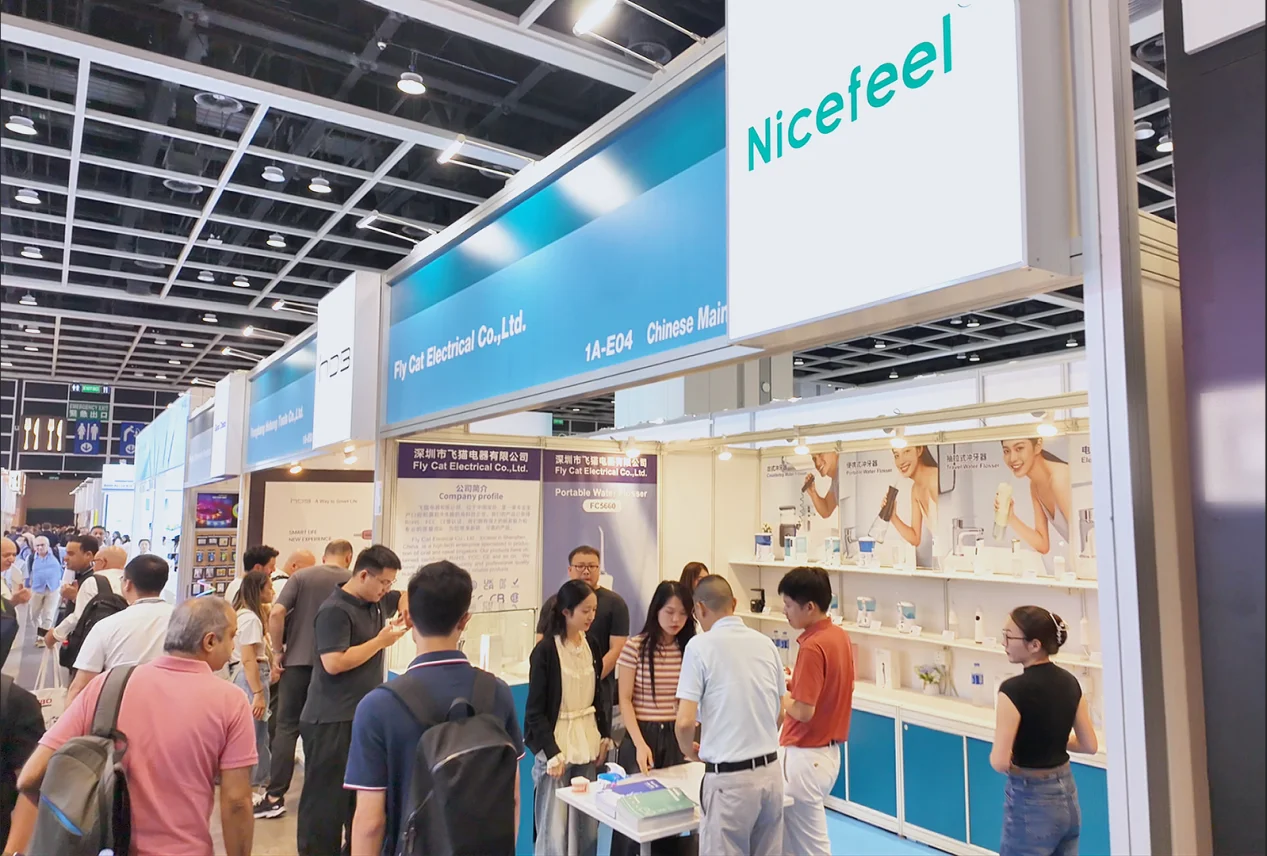
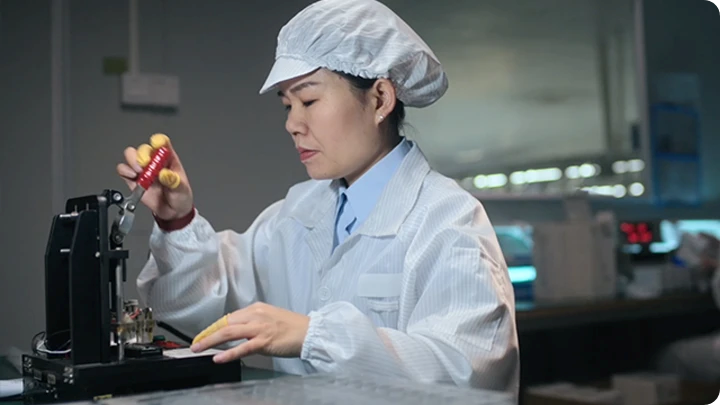
Well-designed oral care devices need to balance cleaning performance, comfort, and daily convenience. For distributors and procurement teams, understanding product structure helps evaluate whether a solution matches customer expectations and market requirements.
Water pressure, tank capacity, power supply, noise control, and durability all influence the user experience. Reviewing these elements from a practical perspective allows businesses to make clearer decisions when developing oral care product lines.
Product appearance, operating methods, and maintenance requirements also affect market acceptance. A clear understanding of these details helps buyers compare different options and select products that fit specific customer groups, sales channels, and usage scenarios.
Examining Essential Design Features
Product design starts with basic functions that influence daily operation. Water pressure should provide suitable cleaning performance while keeping the experience comfortable. A stable pulse system also helps maintain consistent water flow during use.
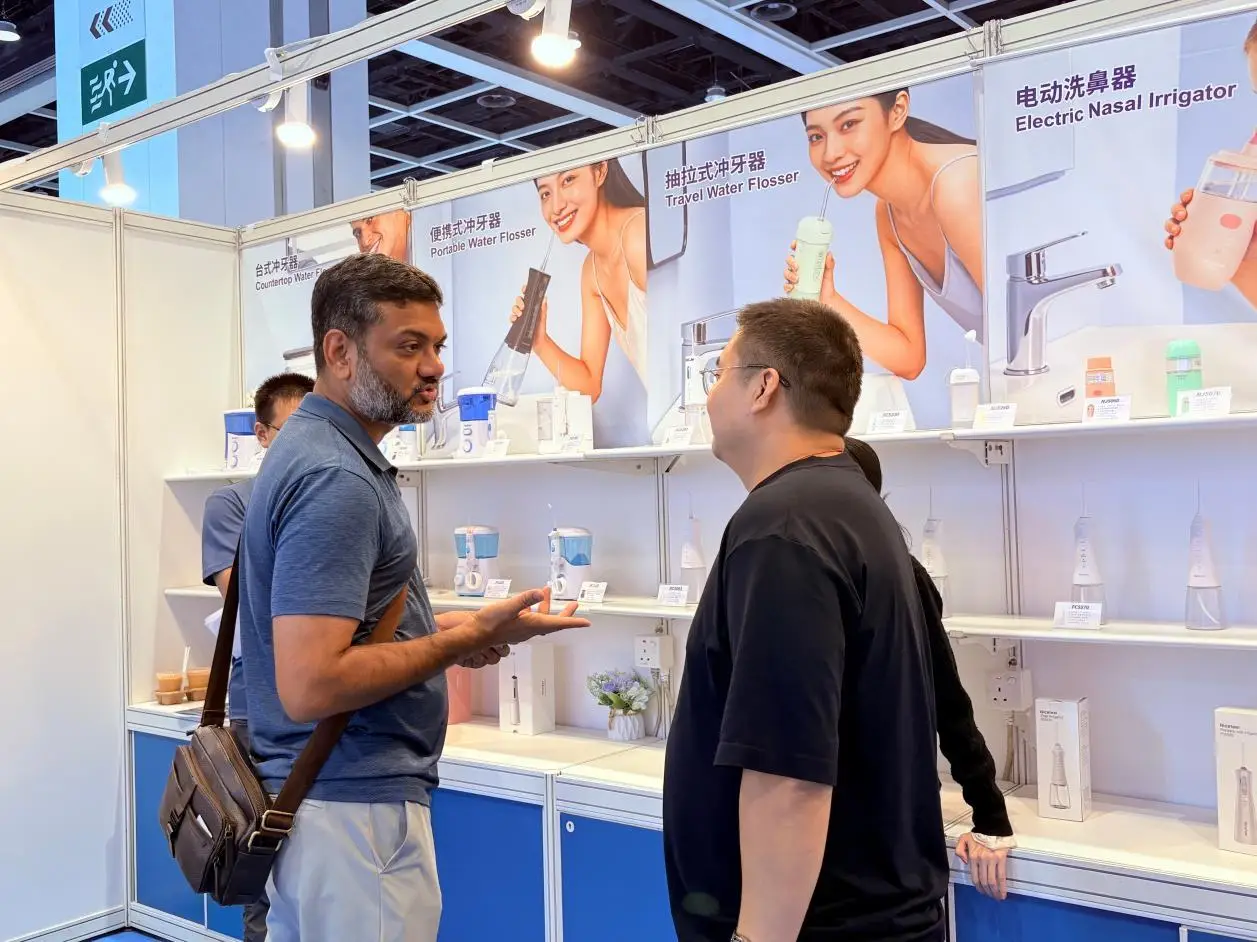
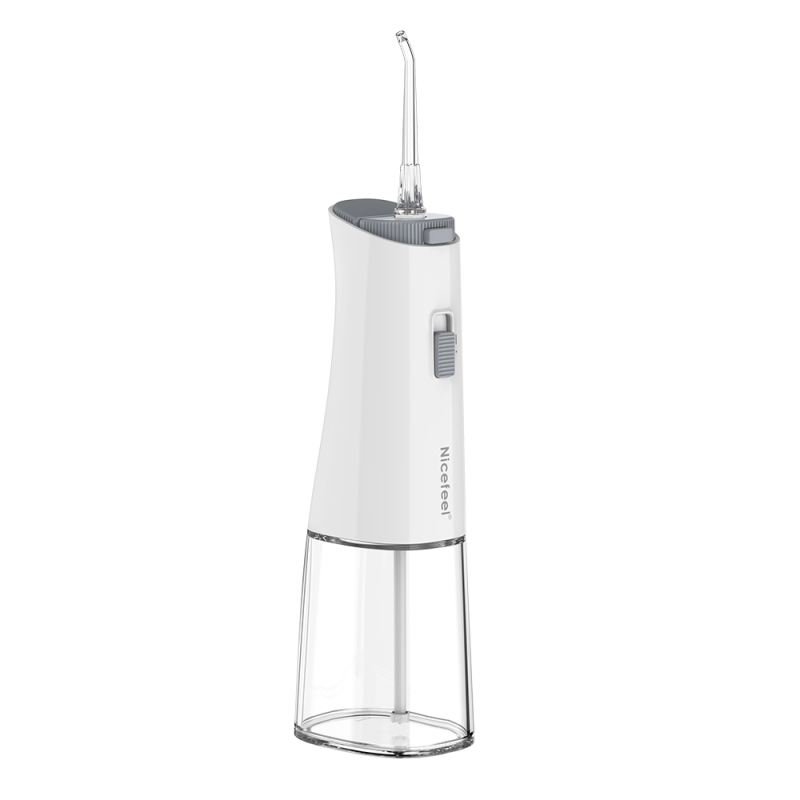
When businesses evaluate a handheld water flosser, they often review factors such as battery performance, water storage capacity, and portability. These details affect how consumers use the device at home, in offices, or while traveling.
Water tank design is also important for product convenience. A suitable capacity can reduce the need for repeated refilling during cleaning routines. The overall structure should allow users to hold the device comfortably and operate controls easily.
User-friendly details can influence product acceptance in different markets. Grip design, maintenance methods, and simple operation are practical points that buyers can consider when reviewing oral care solutions.
Key Factors in Performance Evaluation
Technical specifications provide useful references for product selection. Water pressure, pulse frequency, power consumption, and noise level can affect both user experience and product positioning.
The large-tank water flosser FC5230 is designed with a 200mL water tank, a 6V motor, and 3 AA batteries — a format that suits users who prefer a larger water supply without a charging routine. It runs in Standard mode with a pulse frequency of 1000±15% times/min and a water pressure range of ≥75 PSI.
The product operates at 3–5W power consumption, and a set of three batteries supports more than 10 cleaning sessions. The noise level stays below 72 decibels, and its IPX5 water resistance supports regular use in bathroom environments.
These specifications show how different components work together. A balanced product design considers cleaning function, operating comfort, and long-term usage instead of focusing on only one performance point.
Considering Manufacturing and Supply Support
Product selection involves more than reviewing technical features. Procurement teams also need to consider development capability, customization support, production management, and delivery coordination.
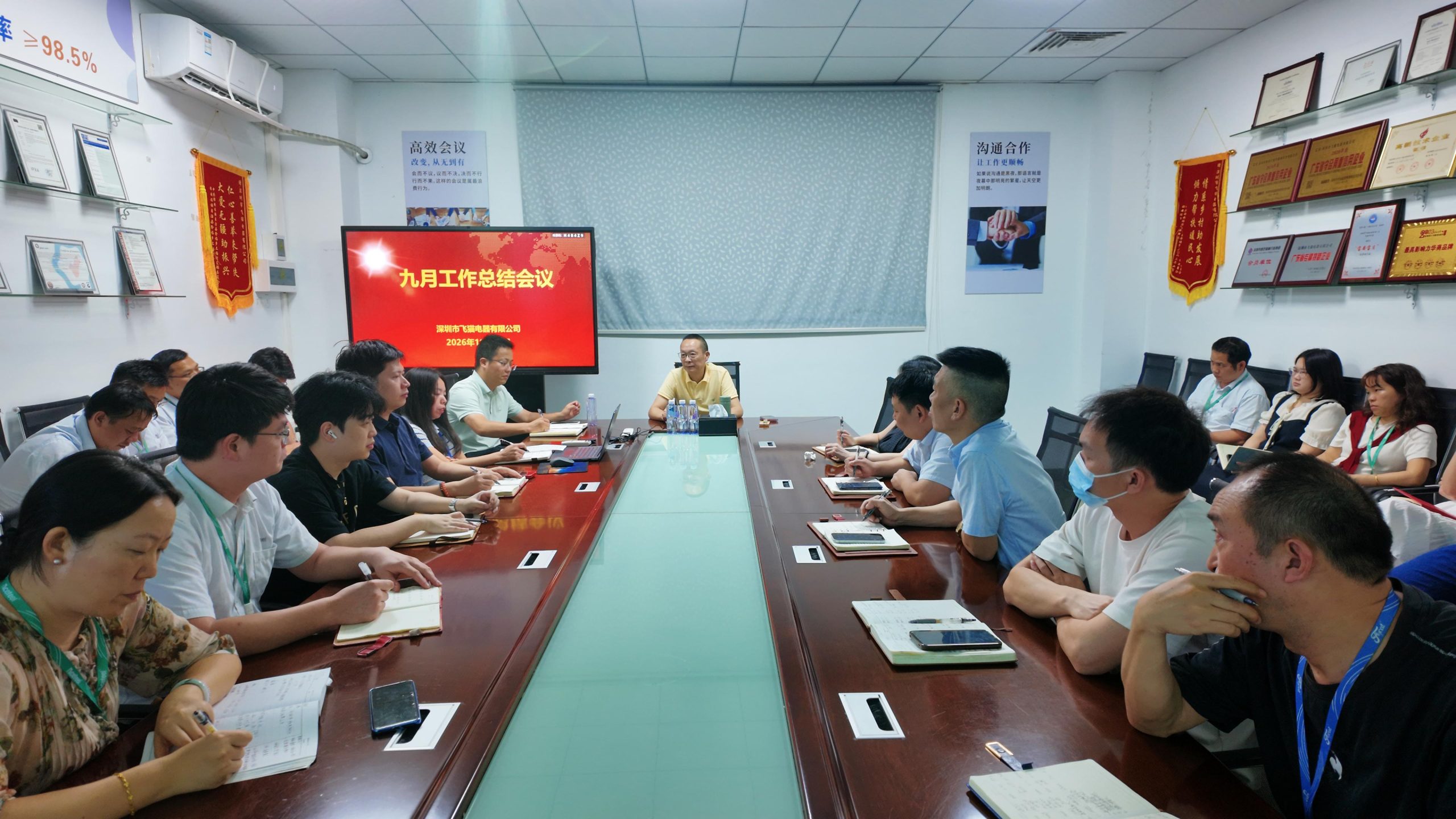
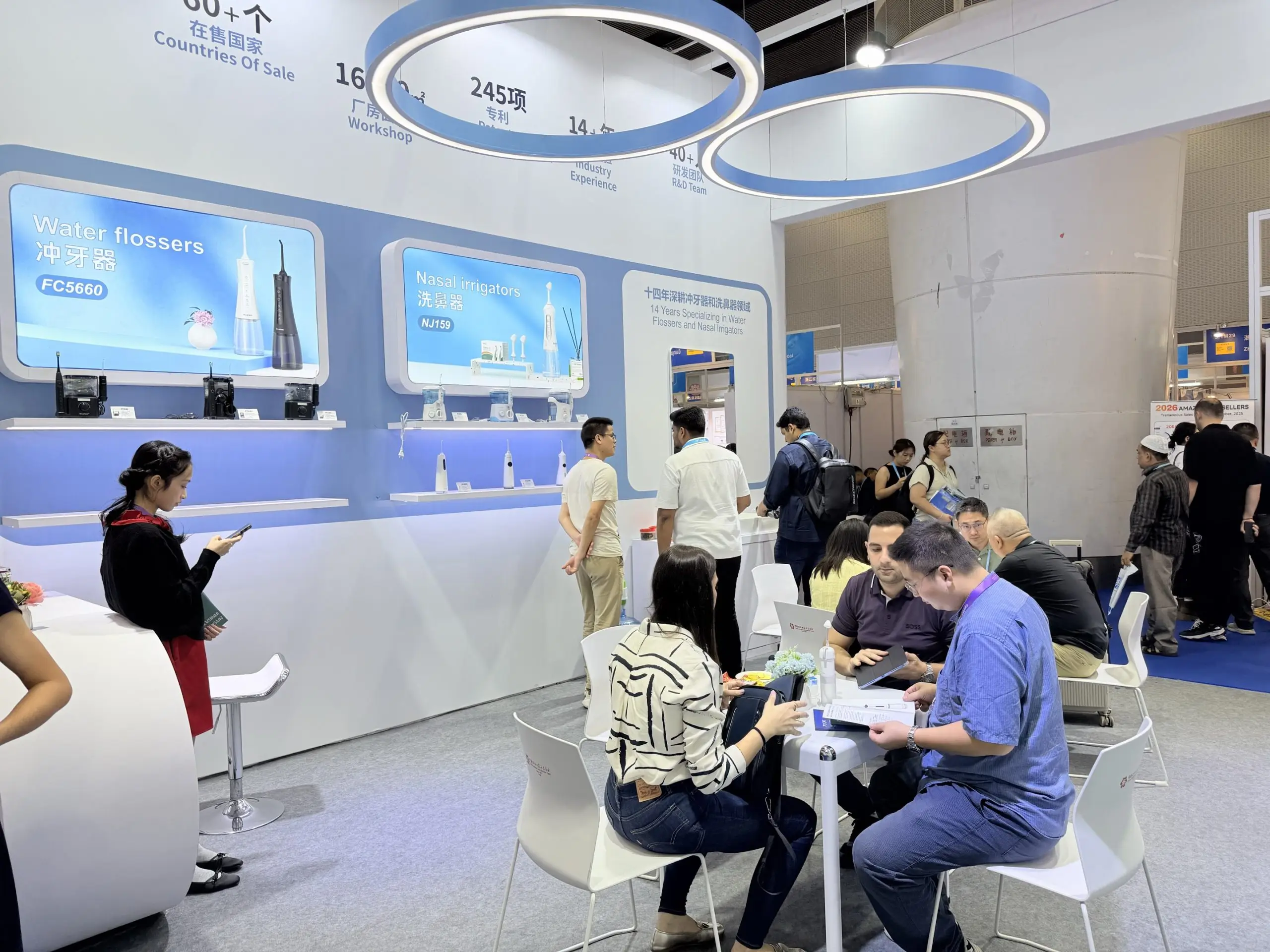
We provide OEM and ODM solutions for oral care products, supporting projects from design discussions to production preparation. Flycat focuses on connecting engineering experience with practical manufacturing processes for different business requirements.
Our development experience includes technologies such as quiet mechanisms, anti-rotation nozzles, and detachable ozone modules. We also maintain a broad patent portfolio covering different technology categories related to oral care product development.
From prototype evaluation to mass production, our team works with partners to manage product details and project communication. This process helps businesses review product adjustments and prepare solutions for different markets.
Compliance and Market Requirements
International markets often require attention to safety standards, testing procedures, and product documentation. Reviewing compliance requirements during development can help businesses prepare products for different regions.
We cooperate with certification organizations including UL, TÜV Rheinland, TÜV SÜD, SGS, and Intertek. This support helps us evaluate requirements for markets such as Europe, America, Japan, Korea, and Canada.
Quality management and intellectual property protection are also important parts of product planning. A structured approach helps reduce development risks and supports smoother cooperation between manufacturers and business partners.
Matching Products with User Scenarios
Product applications should match different user habits and market conditions. Consumers may focus on cleaning comfort, easy operation, and maintenance convenience when choosing oral care devices.
For businesses selecting a handheld oral irrigator, factors such as product size, power source, and usage environment require careful review. Battery-powered designs can provide flexible options for users who prefer cordless products.
Market planning also requires understanding customer feedback. Water capacity, pressure performance, waterproof design, and operating methods can influence how products are introduced through different sales channels. Product customization options and packaging requirements may also affect purchasing decisions for distributors. Reviewing these practical factors helps businesses develop product solutions that meet regional preferences while maintaining consistent user experiences across different markets.
Design Value for Long-Term Development
Product design connects technology with practical user needs. Reviewing functions, specifications, and manufacturing support together helps businesses create clearer product strategies.
Flycat continues to support partners through customization services, production coordination, and oral care development experience. We focus on practical communication and product improvement to support different project requirements.
From initial evaluation to final product planning, each detail contributes to the overall market application. Careful consideration of performance, design, and supply capability allows businesses to develop oral care products that fit changing customer expectations and support long-term cooperation.