Oral care habits are changing as users pay more attention to convenient and effective daily cleaning methods. For product buyers, nozzle design is an important factor when evaluating water flossers because different tips can influence cleaning areas, operation comfort, and user experience.
Understanding how different nozzle structures work helps brands and distributors select products that match various market needs. A suitable tip design can make oral care routines easier while supporting different usage scenarios.
Why Nozzle Design Matters in Oral Care Products
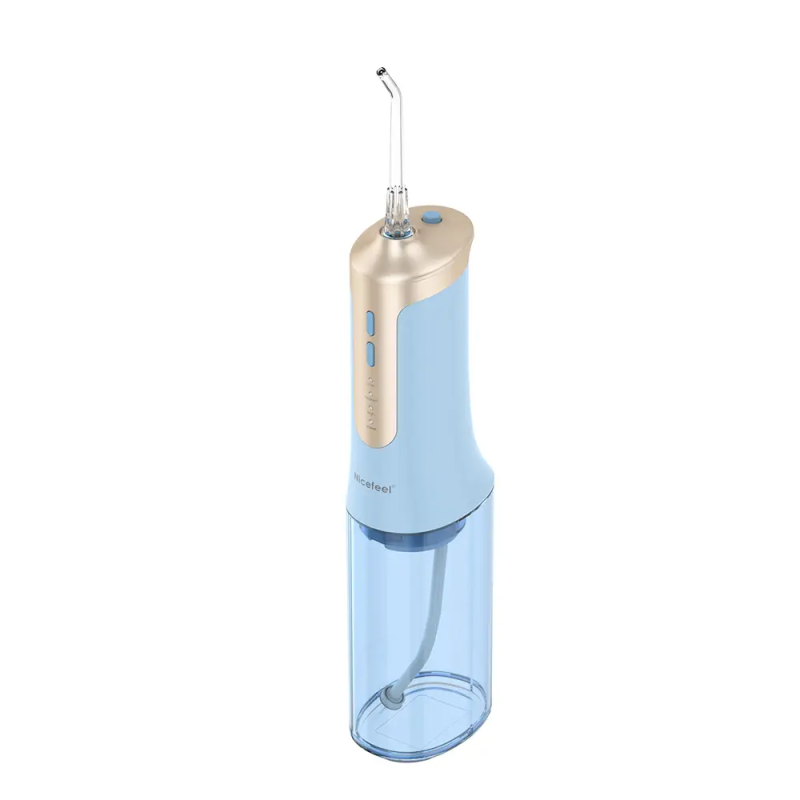
The nozzle is one of the key components of a water flosser. It controls the direction and delivery of water flow during cleaning. The shape, size, and structure of each tip can affect how users reach different areas in the mouth.
For businesses evaluating a handheld water flosser, nozzle design is not only related to appearance. Tip options, replacement convenience, and compatibility with different users are also important factors during product selection.
Standard cleaning tips are usually designed for daily oral care routines. They provide a practical solution for removing food particles and supporting regular maintenance. Their simple structure makes them suitable for a wide range of users.
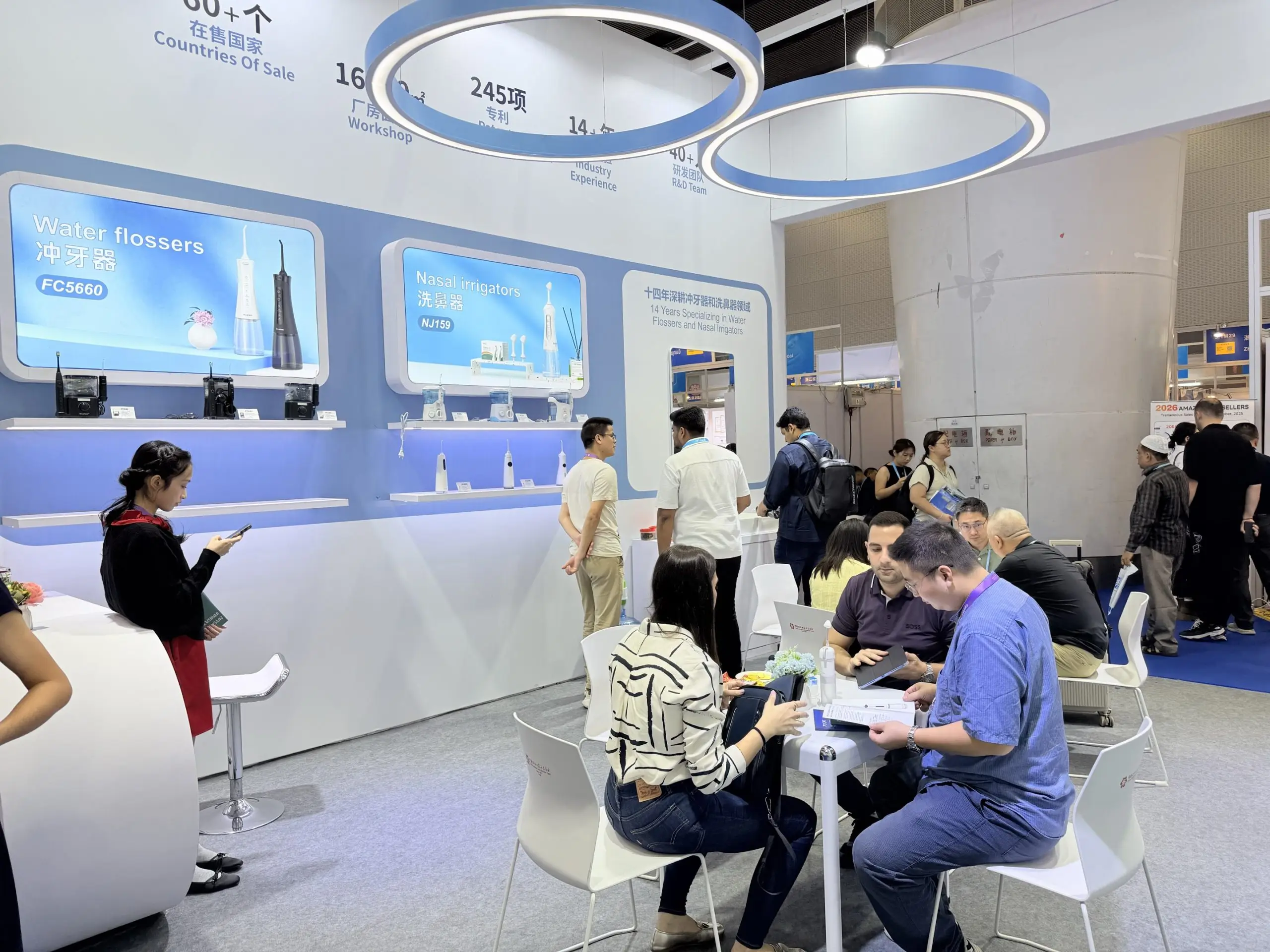
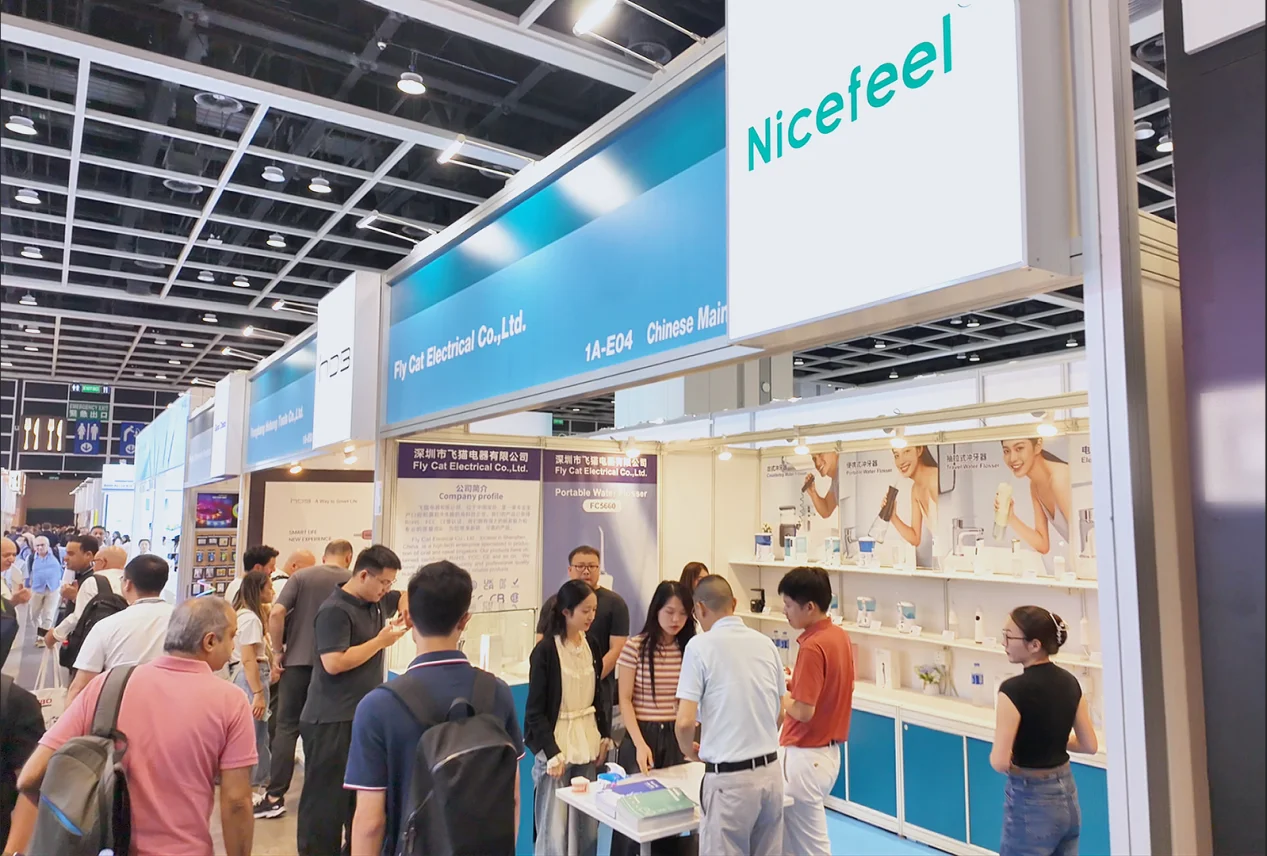
We focus on developing oral care products based on practical application needs. Through OEM and ODM cooperation, Flycat works with partners on product design, customization, and manufacturing support for different market requirements.
How Different Tips Match Cleaning Applications
Different users may require different nozzle functions. For example, people with braces often need tips that can help clean around brackets and wires. A specialized structure can provide more targeted water flow for these areas.
Users with sensitive gums may pay more attention to comfort during operation. The combination of suitable tip design and adjustable pressure settings can help create a smoother cleaning experience.
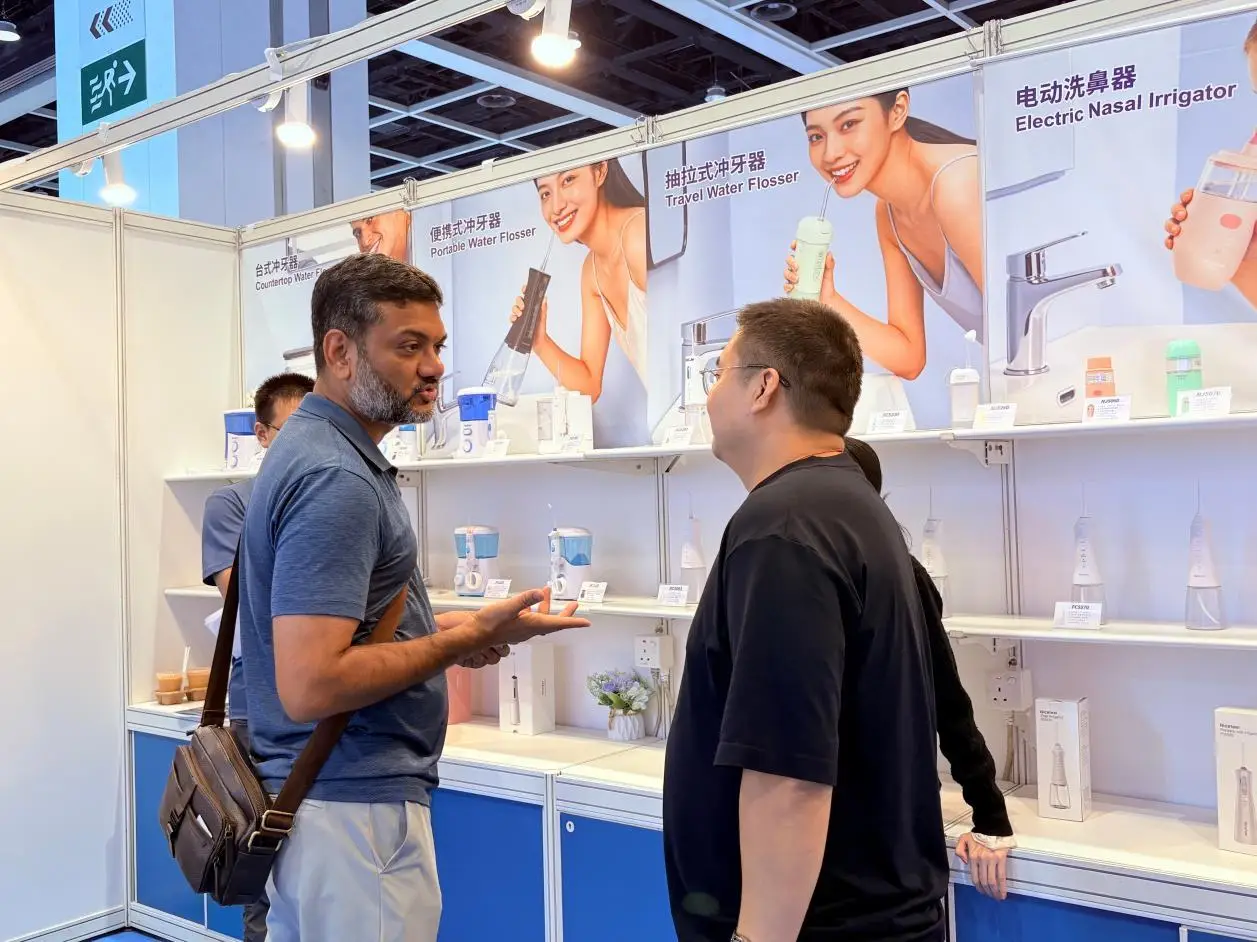
For distributors and brands, a product with multiple tip options can support different customer groups. A well-planned accessory system also helps businesses develop products for various sales channels.
When reviewing a water flosser handheld, buyers can consider whether the nozzle design matches the intended market. User habits, product positioning, and daily cleaning scenarios all influence the final selection.
What to Consider Before Choosing a Water Flosser
Nozzle design is important, but other product features also affect the overall experience. Water tank capacity, charging method, battery performance, and waterproof protection are common factors considered during product evaluation.
Our Portable water flosser-FC5200 comes with a range of interchangeable nozzles—standard, orthodontic, and periodontal—each designed for specific cleaning needs, and its Type-C charging supports long-term daily use.
The product provides a pulse frequency of 1200~1800 times/mins and a pressure range of 20~120 PSI. These settings allow users to adjust water flow according to different cleaning preferences.
The device also features an IPX7 waterproof level, which supports regular use in bathroom environments. These specifications show how product structure and function work together to improve usability.
Manufacturing Support Behind Product Development
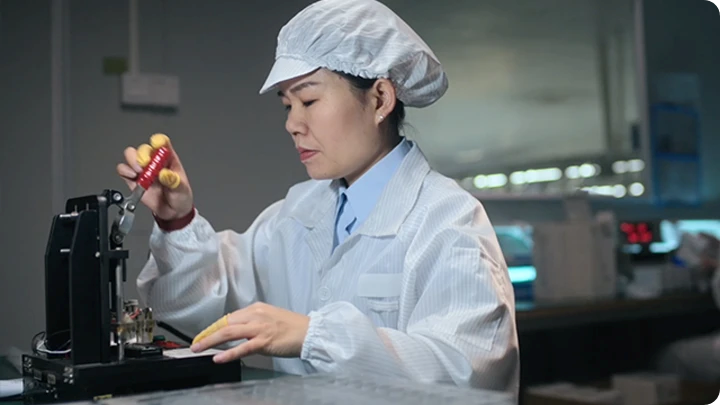
Creating a water flosser involves cooperation between design, engineering, testing, and production teams. For buyers, supplier capability can influence customization efficiency and project management.
Flycat provides OEM and ODM solutions with experience in oral care manufacturing. We have accumulated more than 400 patents covering inventions, utility models, designs, and software works. Our technical development includes solutions such as quiet motor systems, anti-rotation nozzles, and detachable ozone modules.
Product projects usually involve multiple stages, from early design and sample testing to mass production. We maintain flexible communication during development and support different project requirements with production coordination.
Compliance is also an important consideration for international markets. We cooperate with organizations including UL, TÜV Rheinland, TÜV SÜD, SGS, and Intertek to support product testing and certification processes.
Evaluating Nozzle Design for Different Market Needs
Before selecting a water flosser, buyers need to review both product functions and customer expectations. Nozzle design, pressure adjustment, maintenance requirements, and accessory options can influence market acceptance.
Different regions and sales channels may have different preferences. Some markets may focus on portability, while others may pay more attention to functional accessories and long-term use experience.
A detailed product evaluation helps businesses understand how each feature supports user needs. This approach also helps brands create products that fit specific customer groups.
Creating Practical Value Through Better Design
Nozzle design plays an important role in how users interact with a water flosser. Different tips can support different cleaning situations, from regular maintenance to more specific oral care needs. For buyers evaluating a water flosser handheld, understanding tip functions can help them select products that match different user expectations.
We continue to combine product development experience with manufacturing capabilities to support partners in creating suitable oral care solutions. By reviewing technical details and market expectations together, businesses can make clearer product decisions.
A thoughtful approach to tip design, product functions, and user scenarios allows oral care products to provide more practical value. Understanding these elements helps buyers choose solutions that are closer to real customer requirements.