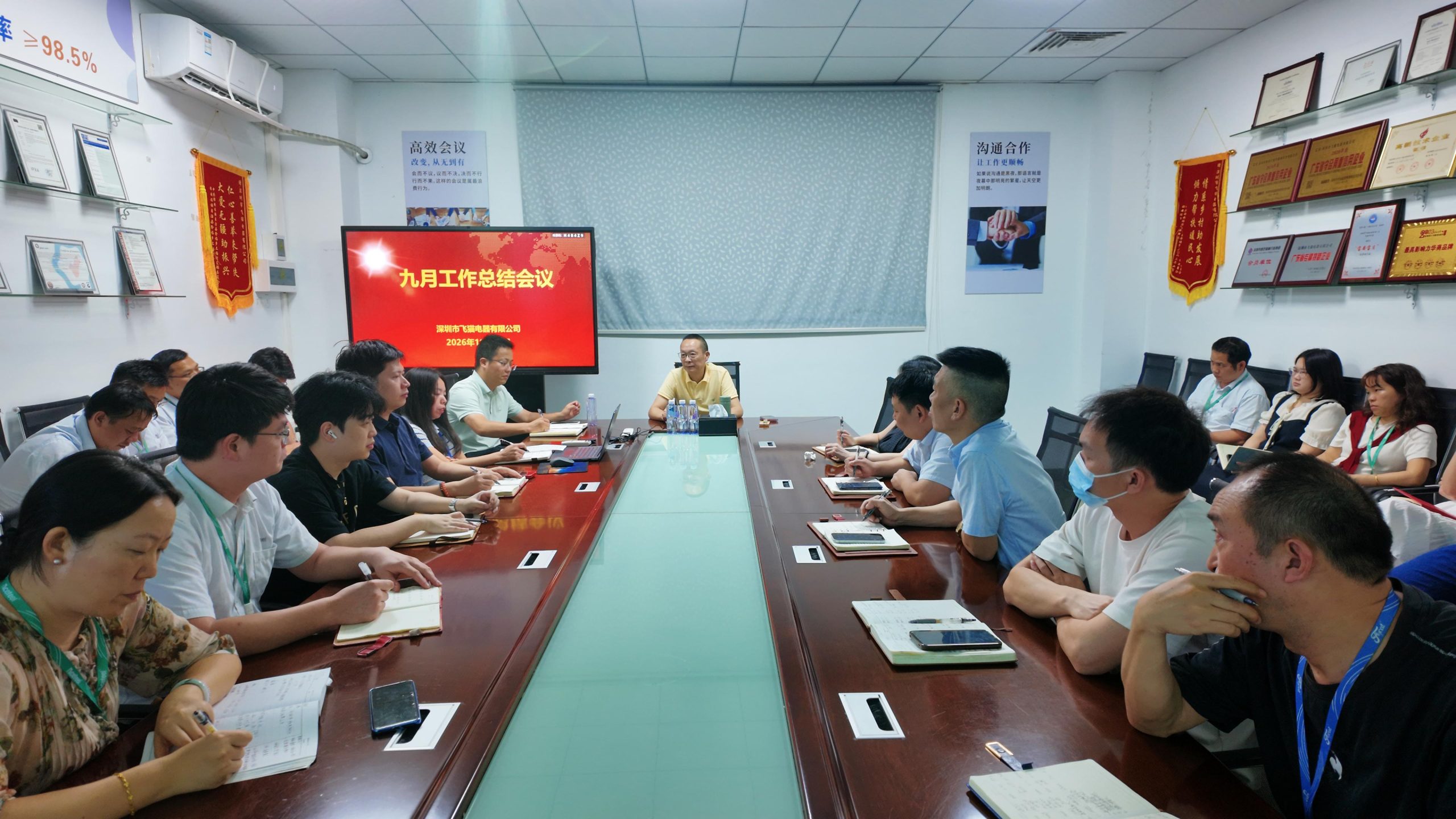
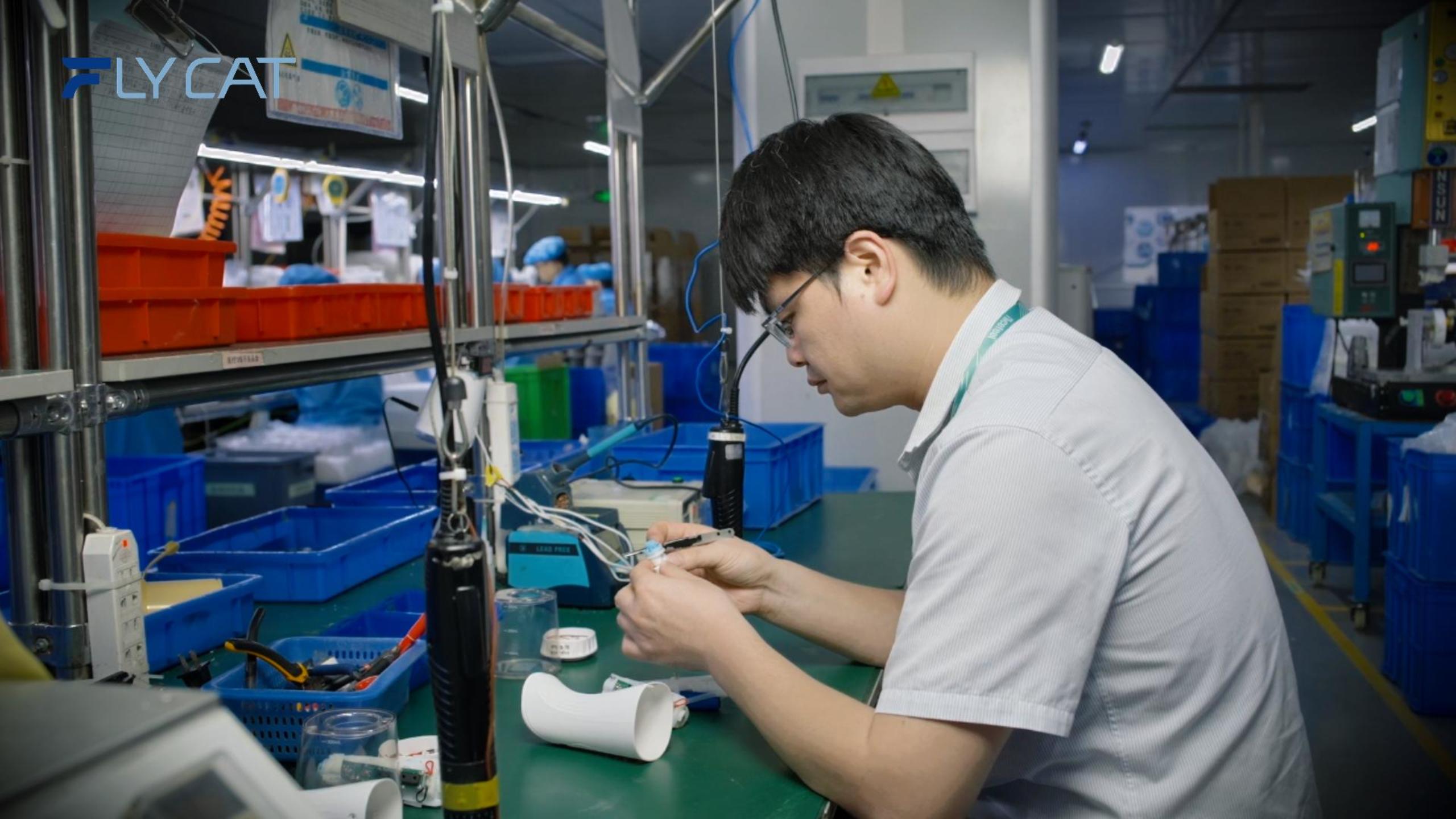
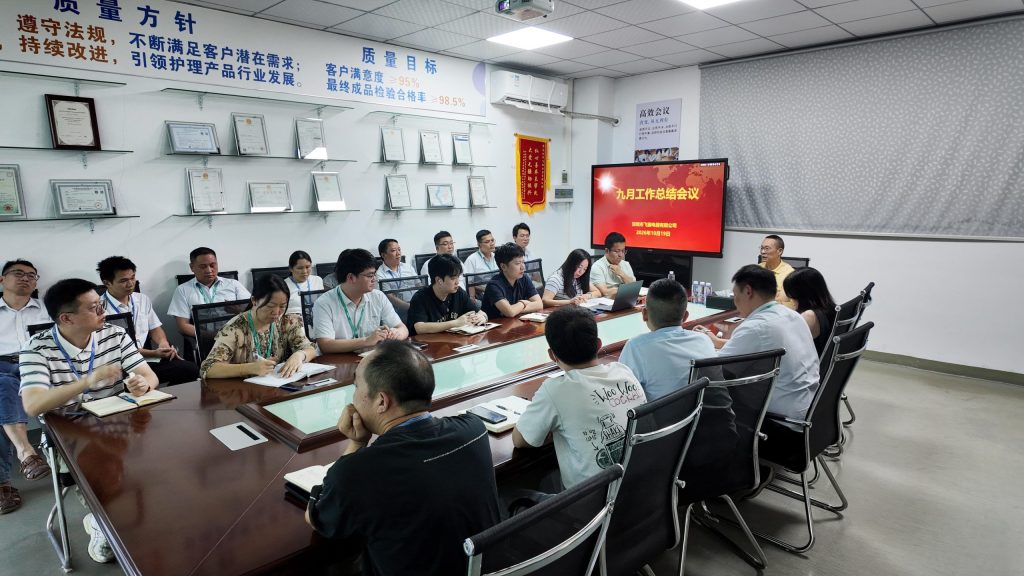
In October 2026, Shenzhen — Against a complex external environment for the oral care industry, the company is facing multiple pressures, including raw-material price fluctuations, peak-season delivery requirements, inventory management, and customer-related business risks. The company held its September business review meeting, attended by management and department heads, to review September performance, identify gaps across business functions, and accelerate progress toward fourth-quarter and full-year targets. The meeting also covered preliminary planning for 2027, balancing near-term business performance with the development of capabilities for long-term growth.
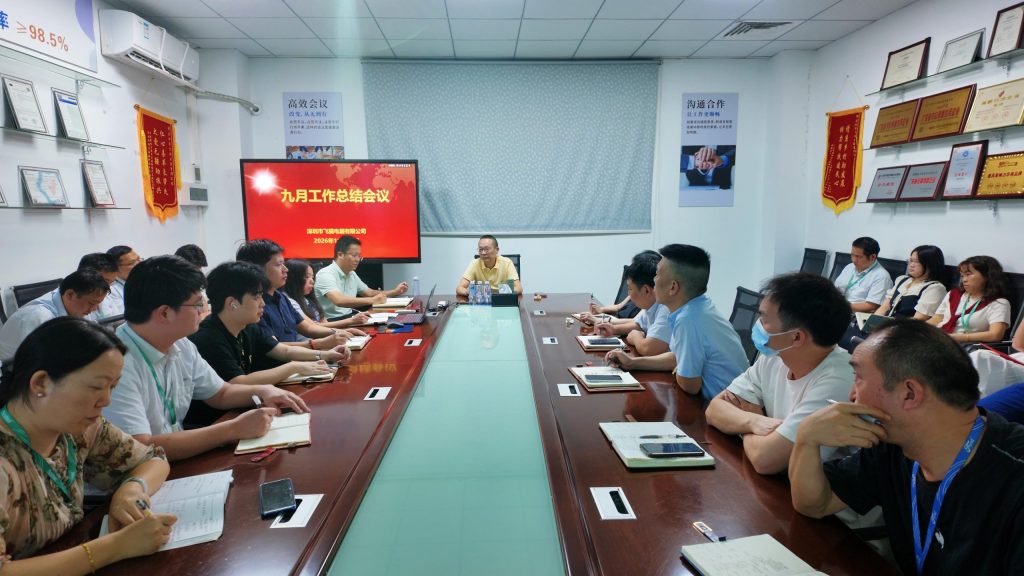
Ⅰ. Assessing the Business Environment and Strengthening Risk Management
Overall business performance remained stable in the third quarter, although the market mix shifted. The share of export sales declined, while domestic sales continued to increase. The business remains heavily reliant on existing core customers, with limited contribution from new accounts. Inventory turnover slowed in September, and inventory levels remained high. Unclear demand from some customers has created challenges in production scheduling and inventory control, while the risk of slow-moving and obsolete materials requires continued attention.
External pressures are increasing, and uncertainty in downstream businesses is growing. Customer credit and bad-debt risks therefore require close monitoring. The fourth quarter is a critical period for achieving the annual targets, and a gap remains against the profit target. Improving profitability will require coordinated efforts across departments. In addition to securing orders, key contributors include supply-chain cost control, reducing production waste, lowering quality defects, managing expenses, and pursuing available subsidies and investment income.
The sales team must improve the accuracy of order and shipment data, capitalize on year-end sales opportunities, forecast orders more effectively, and review progress regularly. The annual inventory count will be carried out in October, and the cancellation of obsolete orders must follow a strict sign-off and approval process. Sales and Finance should strengthen coordination, closely monitor customers with high accounts receivable or long payment terms, and take early action to manage receivables risks.
Ⅱ. Advancing Product Improvements and Resolving Existing Quality Issues
The company will continue to apply its new-product project review process. Product proposals should be assessed comprehensively for market potential, technical feasibility, and commercial returns. Innovation should be practical and evidence-based, rather than driven by industry trends alone. Preliminary research and planning for the 2027 new-product pipeline will also begin.
To address issues reported by the market in products already in mass production, the meeting set out the following corrective actions:
1. Model 5650: E-commerce customers have reported an unsatisfactory button-pressing experience, including buttons that are difficult to press and occasional button failures. The issues are associated with tolerances in the membrane layer and the two-stage button structure. Multiple prototype rounds are required to optimize actuation force and spring selection, while also assessing the risk of structural failure resulting from design changes.
Model 5570: The team will also follow up on vibration issues with the support bracket and evaluate two options: reusing the existing proven bracket or optimizing the design and opening a new mold.
2. Model 5230: Full validation of the updated software has not yet been completed. Prototypes will undergo extended battery-cycle aging tests to verify whether the reported issues have been resolved.
3. Test samples must be clearly distinguished from mass-production products, and new suppliers must undergo sufficient validation before being introduced. For hardware issues reported on some models—including charging abnormalities, insufficient water pressure from plastic pumps, and inadequate coil power—relevant departments will work together to identify root causes and assess corrective options, such as PCB modifications or component replacements.
The company will continue to improve sampling and tooling processes for customized projects. Feasibility should be validated before investment in molds begins. As the mold team is currently at capacity and repair follow-up is taking time away from core technical work, the company plans to streamline the OA approval process for mold repairs. Repairs will be classified into cosmetic repairs and dimensional or functional repairs, with clear inspection standards before and after repair and defined turnaround-time requirements for suppliers. Risks associated with outsourcing repairs will also be assessed, and responsibilities will be discussed in a dedicated review.
Product cost-reduction initiatives will continue, with product quality remaining a non-negotiable priority. For projects that must enter production before the full set of certifications is completed under exceptional circumstances, internal information must be managed appropriately and all outstanding certification documents must be completed on schedule.
Ⅲ. Strengthening the Supply Chain and Manufacturing While Balancing Delivery, Capacity, and Inventory
As peak-season export orders are released in concentrated volumes, the supply chain is facing pressure from both material lead times and raw-material price volatility. The company will continue to diversify its supplier base, strengthen quality control at the source for key components, closely monitor price trends for bulk materials such as resin and copper, and prepare risk-mitigation plans in advance. For slow-moving materials with no confirmed demand for an extended period, the team should proactively contact customers to confirm how these materials should be handled.
On the manufacturing side, the company recognizes that recruitment competition across the industry is intensifying and employee turnover is increasing. Production schedules should therefore be developed in line with actual staffing levels. Training for new hires and temporary workers should be strengthened, while standard operating procedures (SOPs) and mistake-proofing measures should be used to maintain product consistency. The company will also review workshop and production-line layouts to make better use of manufacturing and storage space. Outsourced operations will continue to follow a tiered management process, with responsibilities clearly defined and costs traceable.
To address the difficulties caused by unclear customer demand forecasts, the company established a clear operating principle: production should be prioritized for orders with confirmed shipment plans, rather than being driven by vague or uncommitted demand. Sales must confirm precise shipment dates with customers. Production scheduling should not be pushed ahead when material availability is not secured.
PMC and Sales should align information early and, wherever possible, finalize order changes before products are put into inventory. This will reduce material and documentation confusion caused by order changes after stock has been received.
On quality management, incoming-material inspections will be strengthened. Suppliers must take corrective action when batch-level incoming-material defects occur, supported by a closed-loop alert and follow-up mechanism. The company must recognize how even a small defect rate can have a significant impact at scale and reinforce quality controls throughout the process—from incoming materials and production to finished-goods shipment.
Ⅳ. Coordinating Online and Offline Marketing to Improve Lead Quality and Business Operations
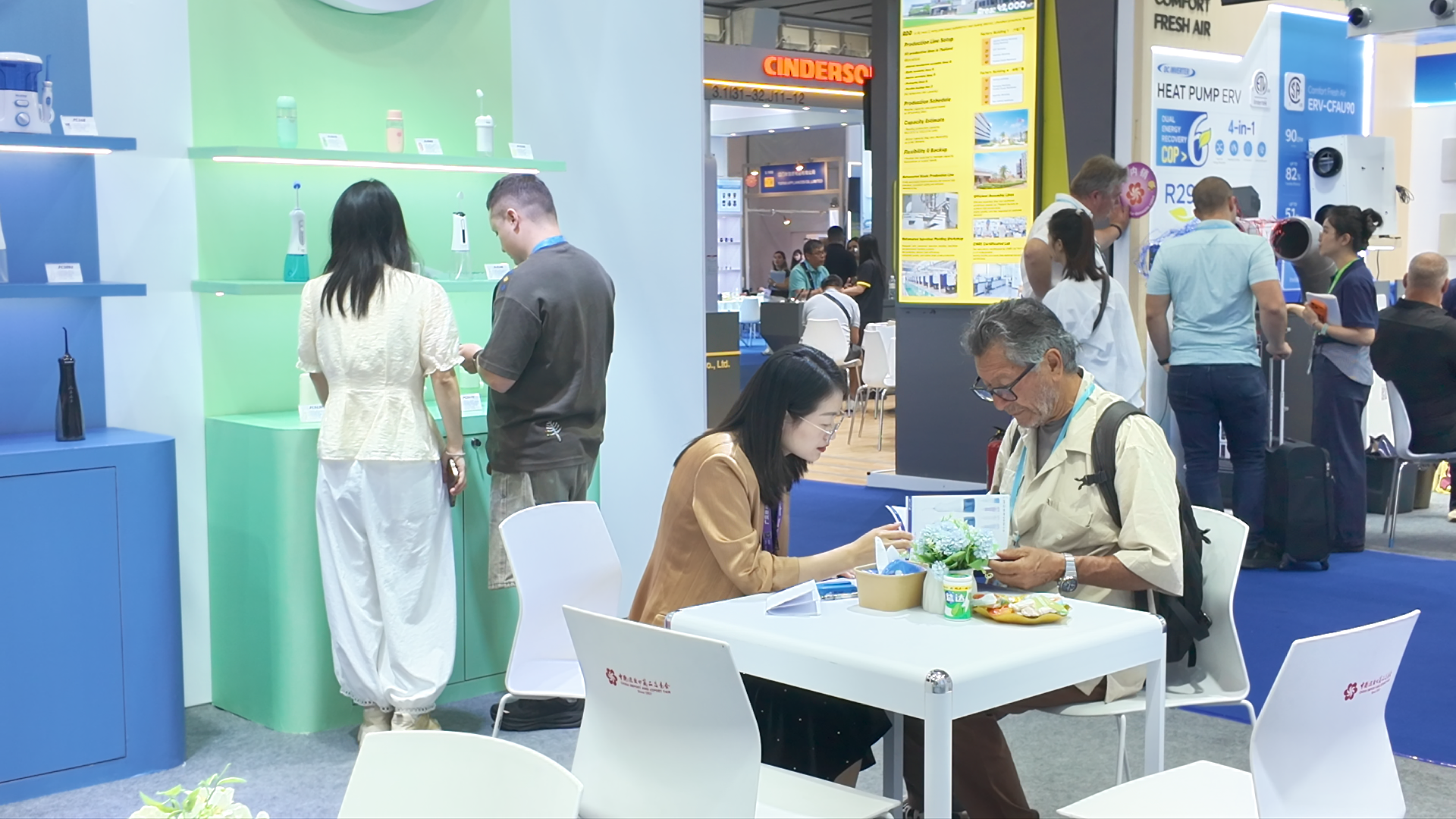
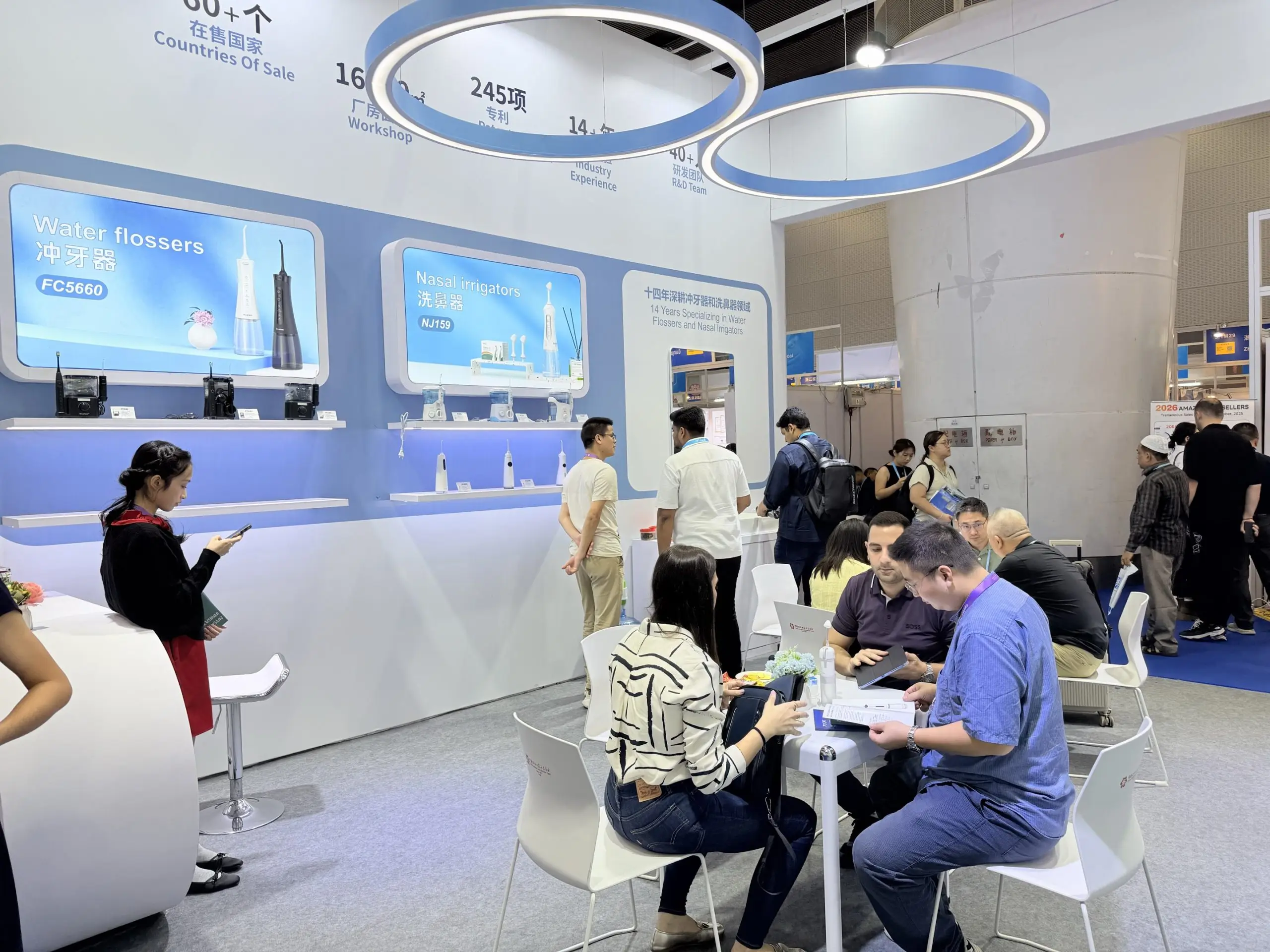
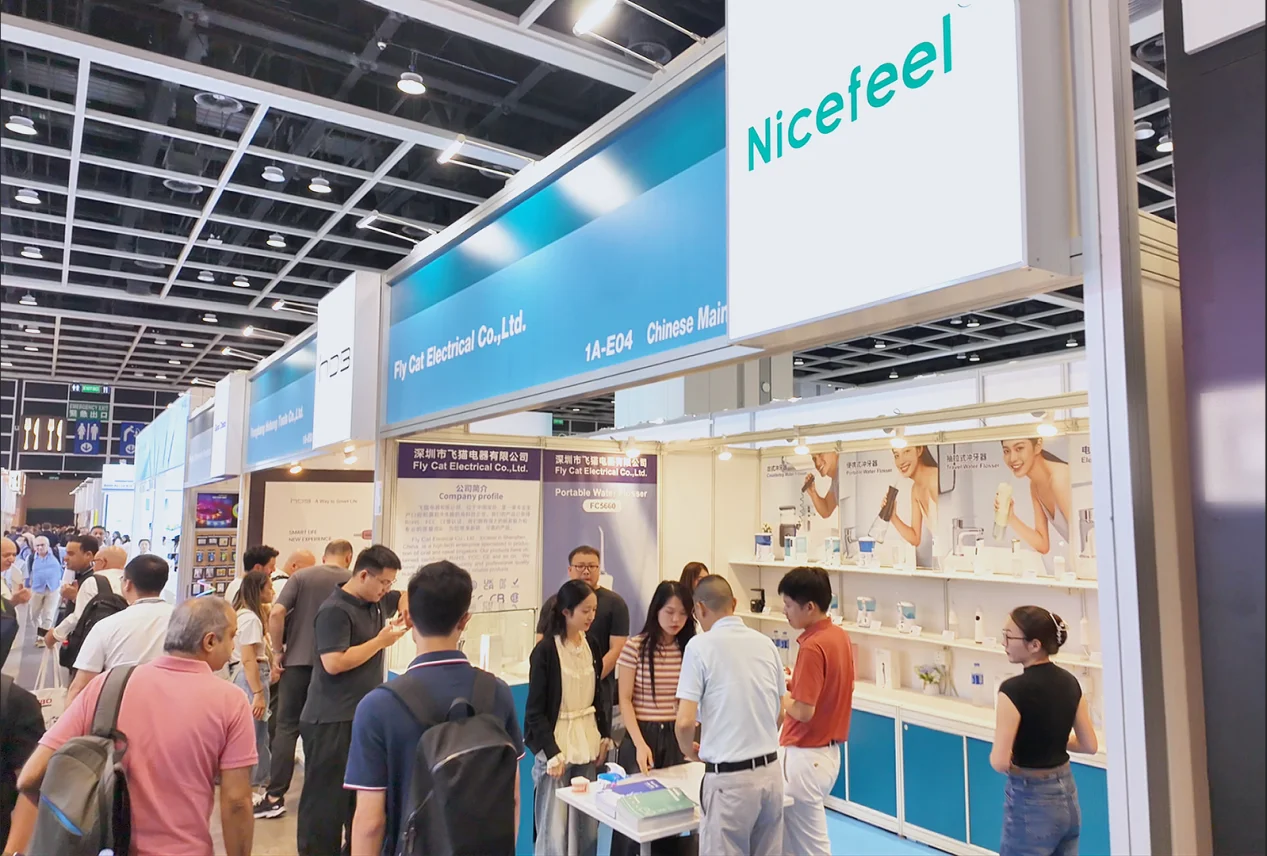
The company will continue to combine digital lead generation with offline trade-show activities. The focus remains on value rather than price competition, with customers being offered an integrated proposition built on R&D, supply-chain management, and quality control.
Online promotion will continue to focus on the official website, Google SEO, and LinkedIn. Website traffic increased steadily in September, and the company’s overseas AI brand presence made initial progress. Marketing efforts will shift from producing a high volume of content to creating more high-quality, differentiated materials. Paid advertising tests will be conducted selectively to develop a lead-generation model that combines organic traffic with paid campaigns. Brand assets that demonstrate the company’s overall capabilities will also be developed to improve the quality of B2B inquiries.
The business team will improve the process for communicating customer requirements internally to reduce information loss between departments. Sales staff should strengthen their ability to follow up on customer needs, increase new-customer acquisition, and continue to serve key existing accounts effectively. Training and performance evaluation for sales personnel will be improved, and team structure will be optimized to address persistently low productivity.
Ⅴ. Building Organizational Capabilities for Long-Term Growth
The company will continue to prioritize internal talent development, supplemented by external recruitment. Employee initiative should be encouraged, and mentoring incentives should be used effectively to ensure continuity of business support. In response to rising labor costs across the industry, the company will continue to assess the feasibility of a more asset-light operating model.
Cross-functional collaboration must be strengthened and departmental silos reduced. Sales, R&D, Supply Chain, Manufacturing, and Quality should share information effectively and resolve disagreements early, rather than allowing issues to accumulate. Internal processes should be further standardized so that order closure, the handling of losses caused by abnormal events, and expense allocation all have clear, traceable ownership. Actual workloads should be assessed objectively to prevent technical staff from being diverted by excessive administrative tasks at the expense of their core responsibilities.
Ⅵ. Management Summary: Address Gaps, Improve Efficiency, and Push to Achieve Annual Targets
In closing, the General Manager noted that the external market remains uncertain and competition within the industry is intensifying. Ultimately, companies compete on their combined strengths in products, supply chains, quality, and organizational coordination. Competing on low prices alone is not a sustainable long-term strategy.
Despite relatively high spending in September, the company’s overall operating results remained acceptable. However, significant gaps remain in order quality, inventory control, product quality, and internal process efficiency. The fourth quarter is decisive for full-year performance, and the profit target remains unmet. All departments must work toward shared goals: Sales must focus on orders and shipments; Supply Chain must tightly control material costs; Manufacturing and Quality must reduce defects; the entire company must manage expenses carefully; and Finance should actively pursue available subsidies and investment income. Profit opportunities must be identified through multiple channels.
At the same time, the company must push to achieve its 2026 operating targets while advancing the 2027 budget, new-product planning, and review of business priorities. The budget should be developed using a profit-backward approach, with a draft submitted to the General Manager’s Office for review by the required deadline.
Management called on all department heads to look beyond their own functions, collaborate proactively to solve business challenges, and address existing weaknesses directly. By strengthening the company’s overall capabilities and capitalizing on the year-end market window, the company aims to achieve its annual operating targets and lay a solid foundation for its next stage of development.