Engineering serves as the bridge between concept and reality, transforming digital designs into products that can be manufactured consistently in the real world.
Preventing Risk Before It Reaches Production
Once structural design and virtual modeling are complete, engineering takes over.
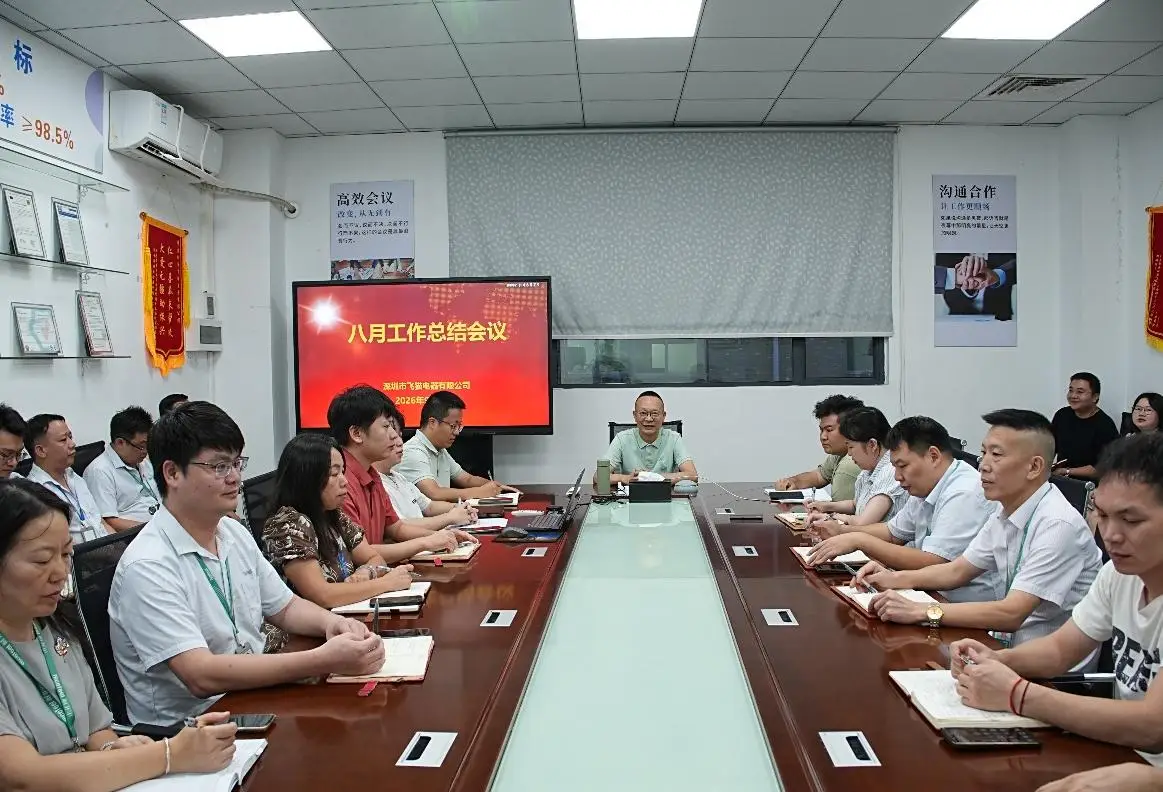
Working closely with R&D, production, and quality teams, we conduct detailed design reviews—not only evaluating the design itself, but how it performs in real manufacturing conditions.
The focus goes beyond feasibility. It extends to assembly efficiency, production stability, and long-term reliability.
Every structural detail and assembly path is carefully examined. Engineering continuously works to identify and reduce potential risks before they occur. We lead PFMEA development, using process flow analysis to systematically evaluate potential failure risks across assembly, testing, tooling, equipment, and operations. Preventive measures are defined accordingly, supported by tooling inspections, parameter validation, and standardized SOPs—forming a proactive risk control system from design through execution.
This is where engineering delivers its first value: preventing assembly issues before tooling even begins.
Finding Answers in Complexity and Uncertainty
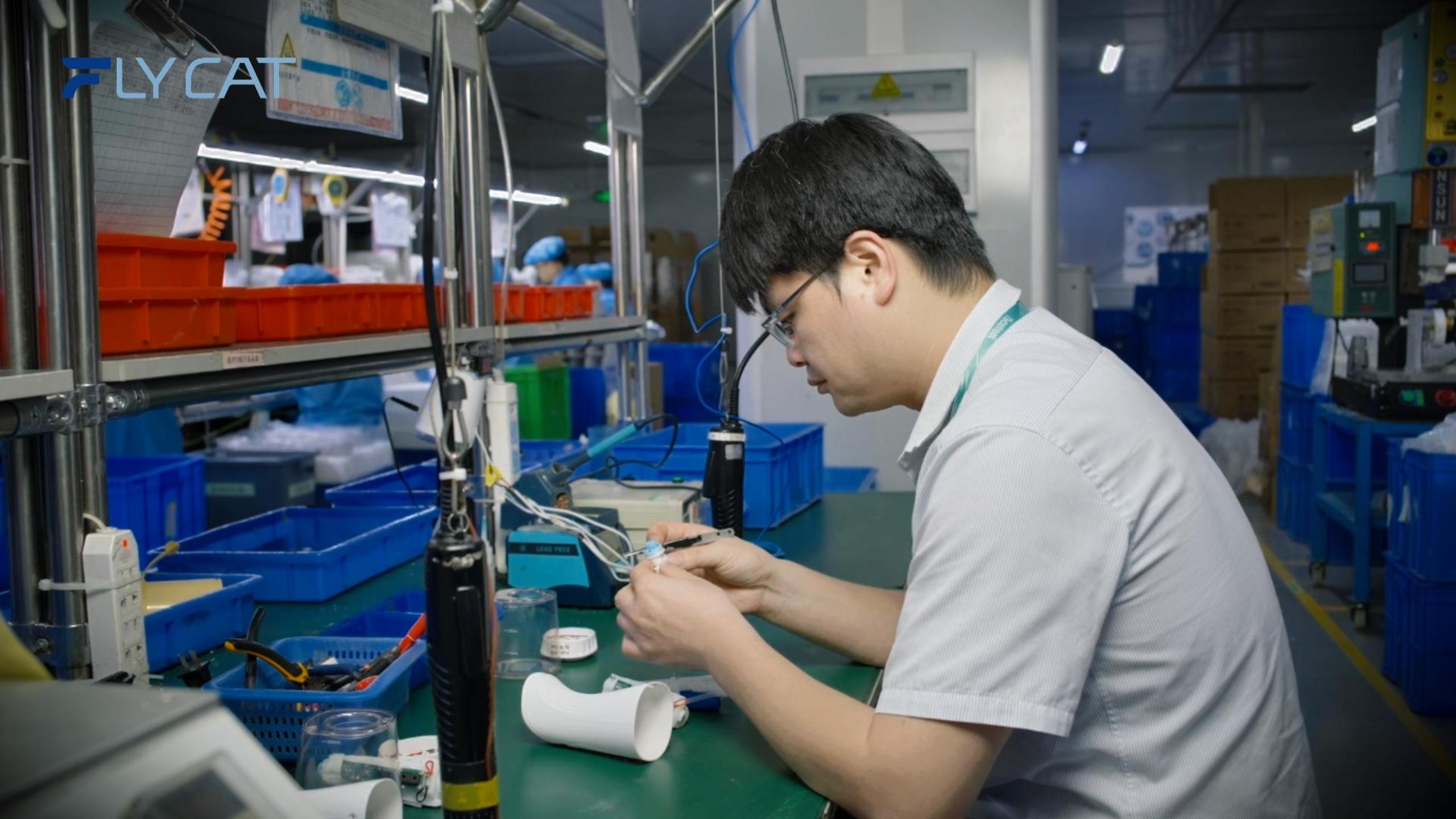
As projects move into tooling and pilot production, engineering shifts to the production floor. In batch testing, even a minor anomaly can point to a deeper issue.
It may not occur frequently, but it can directly affect product reliability.
Engineering looks beyond results and returns to the process. Water flow systems are checked. Pump performance is tested. Production records are reviewed.
Assembly steps are retraced in detail. Because issues rarely appear clearly, they are often hidden within small variations.
The role of engineering is to uncover these details through repeated validation and analysis, identifying the true root cause and resolving it completely. Once identified, improvements extend beyond a single fix. Structure, process, and production rhythm are all re-evaluated and optimized.
The goal is consistency, ensuring every unit performs the same, every time.
Optimizing the Entire Chain for Stability and Efficiency
Even after stability is achieved, engineering continues to refine the process.Real improvements often come from small changes: simplified assembly actions, optimized process steps, more stable production flow.
These adjustments enhance overall efficiency across the production line. Engineering not only makes products manufacturable, but also makes production more efficient, controlled, and predictable.
From structural optimization to process reconfiguration and production coordination, every step balances quality, efficiency, and cost.
As yield improves and production stabilizes, the value of engineering becomes fully realized.
The Meaning of Engineering: Making Everything Repeatable
Solving problems is the foundation of engineering. Preventing them is its true purpose.
At Flycat, we follow a clear principle:
All risks are resolved internally.
All problems are addressed before mass production.
Uncertainty is not passed to the market.
Risk is not transferred to customers.
Every iteration reflects a commitment to quality, respect for engineering discipline , and responsibility to our partners.
Looking ahead, Flycat Engineering will continue to build on solid technical expertise, rigorous standards, and a relentless pursuit of excellence—delivering products that are more stable, more reliable, and ready for global markets.