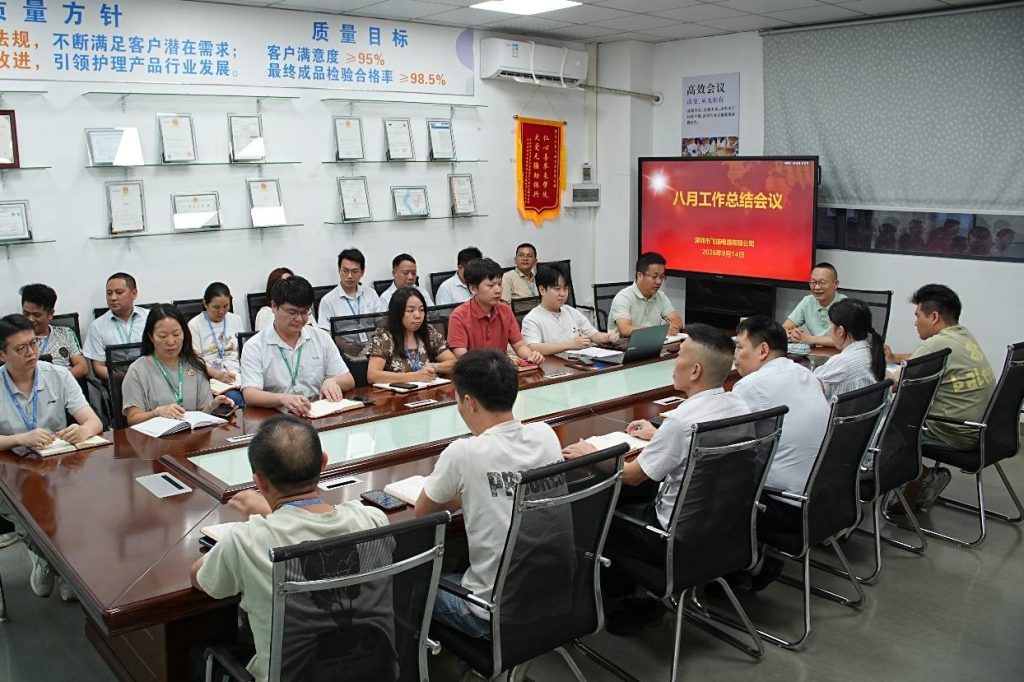
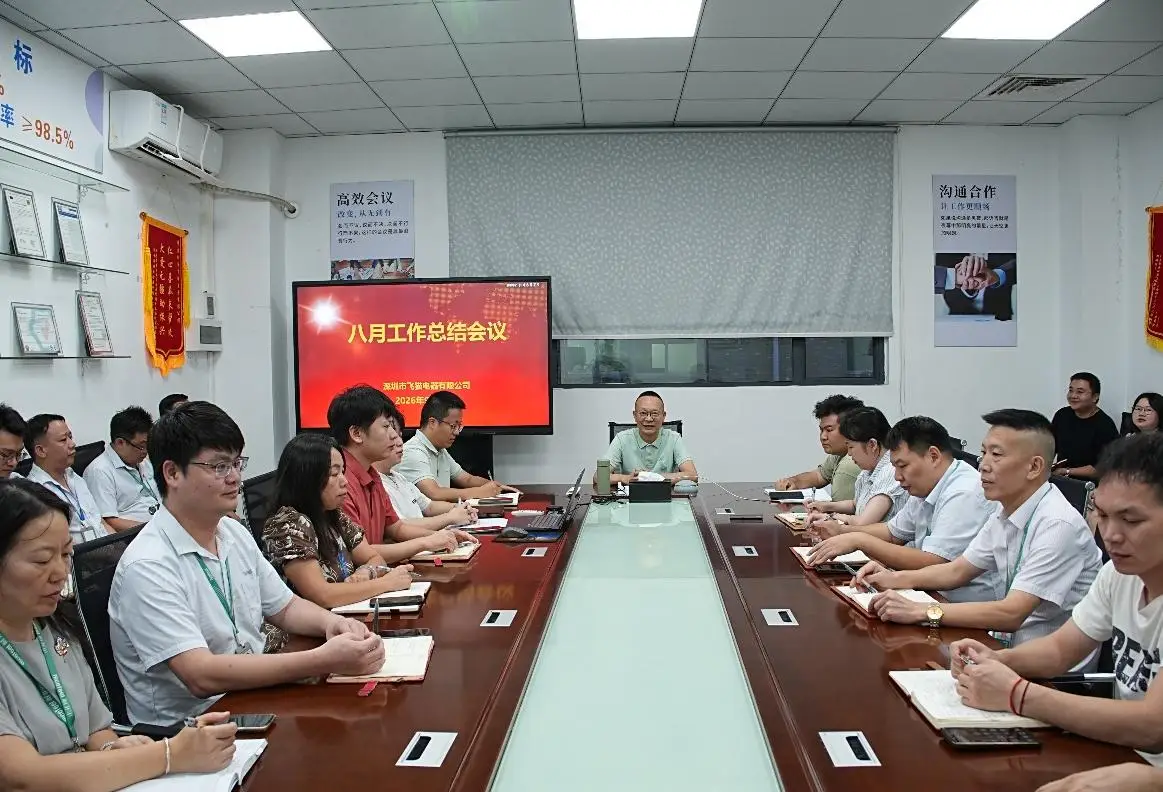
Shenzhen, September 2026—Against a backdrop of intensifying industry competition, volatile raw material costs, and increasing delivery pressure during the overseas peak season, our company convened I ts September operations strategy meeting.
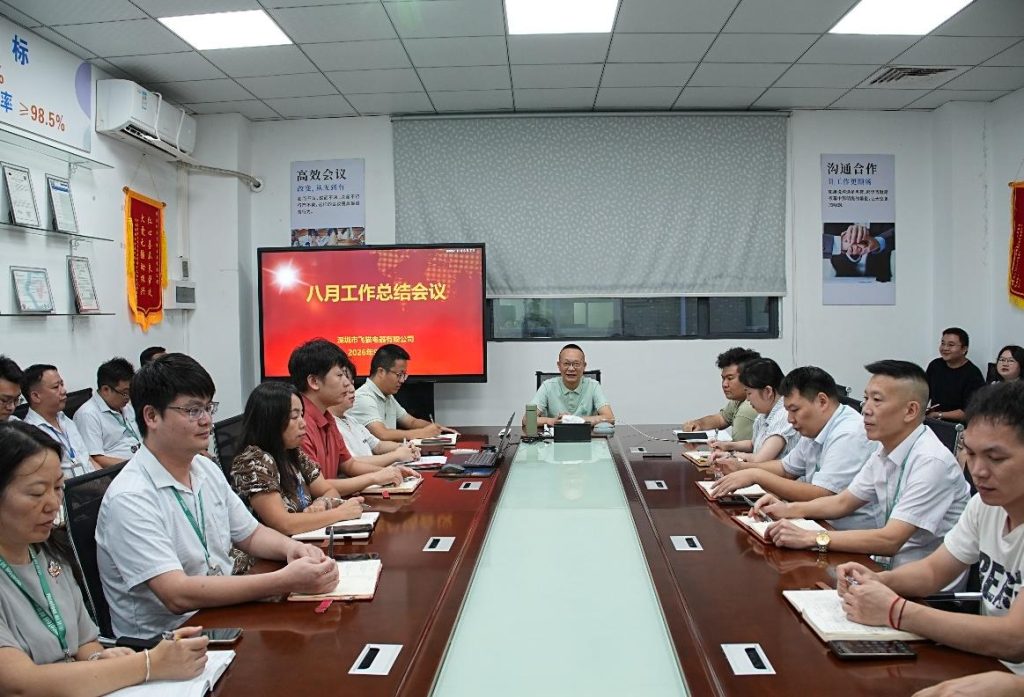
The meeting brought together senior management and department heads. Unlike previous monthly reviews focused on data analysis and short-term improvements, this session centered on enhancing cross-functional collaboration and operational efficiency. The goal was to optimize internal workflows to support Q4 delivery targets, while initiating early planning for the 2027 business cycle—balancing near-term execution with long-term development.
I. Industry Outlook and the Need for Stronger Collaboration
The oral care industry is currently undergoing a phase of adjustment and differentiation. Some competitors are scaling back investment in innovation and expansion, creating new market opportunities. However, the overall operating environment remains challenging, with ongoing pressures from cost volatility, fluctuating order cycles, and inventory optimization.
As discussed during the meeting, the company has built solid capabilities in product development, supply chain management, and market expansion. However, continued business growth places increasing demands on cross-functional coordination. In certain scenarios, improvements are still needed in information sharing and process handoffs, which can impact overall efficiency.
As the final quarter of the year, Q4 requires both steady progress toward annual targets and preparation for the year ahead. Given ongoing external uncertainties, unlocking internal efficiency and strengthening team collaboration are key priorities. All departments are encouraged to adopt an end-to-end perspective, move beyond siloed thinking, and work together to drive overall performance.
Ⅱ. Standardizing Processes to Improve Cross-Department Efficiency
Based on real business scenarios, the meeting established clearer operational guidelines. Standardized processes will complement informal communication, helping reduce coordination costs and improve execution efficiency.
For order reallocation, confirmation should be completed as early as possible—preferably before production scheduling. Changes made after products enter the warehouse stage may result in extensive documentation updates and material adjustments, increasing the risk of data inconsistencies. Sales and PMC teams are required to align information in advance, while PMC will conduct regular reviews and share insights across teams.
In terms of production planning, scheduling and order allocation must follow officially defined staffing standards for each production line. Managers should stay closely informed about on-site workforce changes to ensure alignment between production plans and actual capacity.
For outsourced support during shipment, a tiered approach will be applied. Business teams can independently handle small-volume requirements, while larger orders or capacity constraints may require coordination with the production department. The finance team will track and allocate all related costs to ensure transparency and accountability.
The meeting also emphasized the importance of timely communication to resolve differences early and maintain operational momentum.
Ⅲ. Strengthening Cross-Functional Alignment Between R&D, Supply Chain, and Production
Technical and production teams are expected to strengthen upstream and downstream collaboration while fulfilling their respective responsibilities.
The R&D team will continue advancing ongoing projects while preparing for future product roadmaps. This includes prototype validation, solution optimization, documentation, and early-stage patent risk assessment to support future market expansion. At the same time, R&D will work closely with business teams to gather market insights and initiate preliminary planning for 2027 product development, including technical feasibility analysis and risk evaluation. Product development will remain pragmatic and market-driven, avoiding trend-driven decisions, and cost optimization will not come at the expense of quality.
To address peak-season demand, the supply chain team will develop alternative sourcing options for key materials to mitigate risks from price fluctuations and extended lead times. New suppliers will undergo thorough evaluation, particularly for consistency in quality. The team will also optimize inventory utilization and develop effective stocking strategies based on demand forecasts.
With ongoing production expansion, the manufacturing team will prioritize training for new and temporary workers. Standard operating procedures and error-proofing mechanisms will be strengthened to ensure product consistency. At the same time, automation upgrades will be implemented gradually to improve efficiency and reduce costs over time.
Quality control remains fundamental to stable operations. The meeting highlighted that even small defect rates can lead to significant losses at scale. The QA team will continue to enforce strict inspections across incoming materials, in-process production, and final shipment. Lessons from past quality cases will be used to further improve supplier management and on-site inspection systems.

Ⅳ. Enhancing Marketing Effectiveness and Lead Quality
Marketing and business teams are also expected to improve efficiency through closer collaboration. Business teams will capitalize on peak-season opportunities while maintaining healthy profit margins. Recruitment and performance evaluation systems will continue to be refined.
Customer requirements should be communicated clearly and promptly to internal teams to minimize information gaps.
Marketing efforts will shift from volume-driven content to high-quality, lead-focused content. Overseas teams will maintain their strengths in content production, while domestic teams will focus on improving content depth and platform alignment. Greater emphasis will be placed on website and search-based lead generation, supported by controlled paid media testing.
A hybrid model combining organic and paid channels will be developed. Content highlighting the company’s strengths in R&D, manufacturing, and quality control will be prioritized to attract higher-quality leads.
Ⅴ. Preparing for the Next Business Cycle with a Long-Term Perspective
Looking ahead, the external environment is expected to remain challenging, but also full of opportunities for companies with strong fundamentals and resilient teams.
While focusing on Q4 execution, all departments are required to begin preliminary planning for 2027. Follow-up workshops will be conducted to align departmental plans with overall company strategy.
The company will remain focused on its core business, continuously improving processes, quality standards, and cost control capabilities to ensure readiness for future growth.
Ⅵ. Management Closing Remarks: Strengthening Core Capabilities for Sustainable Growth
In his closing remarks, the General Manager emphasized that favorable market conditions drive expansion, while challenging environments test a company’s true capabilities.
“Ultimately, market competition is defined by the combined strength of products, supply chains, quality, and organizational collaboration. Price competition alone cannot sustain long-term success.”
All managers are encouraged to break down silos and embed efficiency improvements into daily operations. Teams should proactively collaborate to solve problems and respond to real customer needs.
While acknowledging current challenges, the company remains confident in its ability to capture emerging opportunities. By continuously strengthening internal capabilities and working closely with global partners, we are committed to achieving sustainable long-term growth.