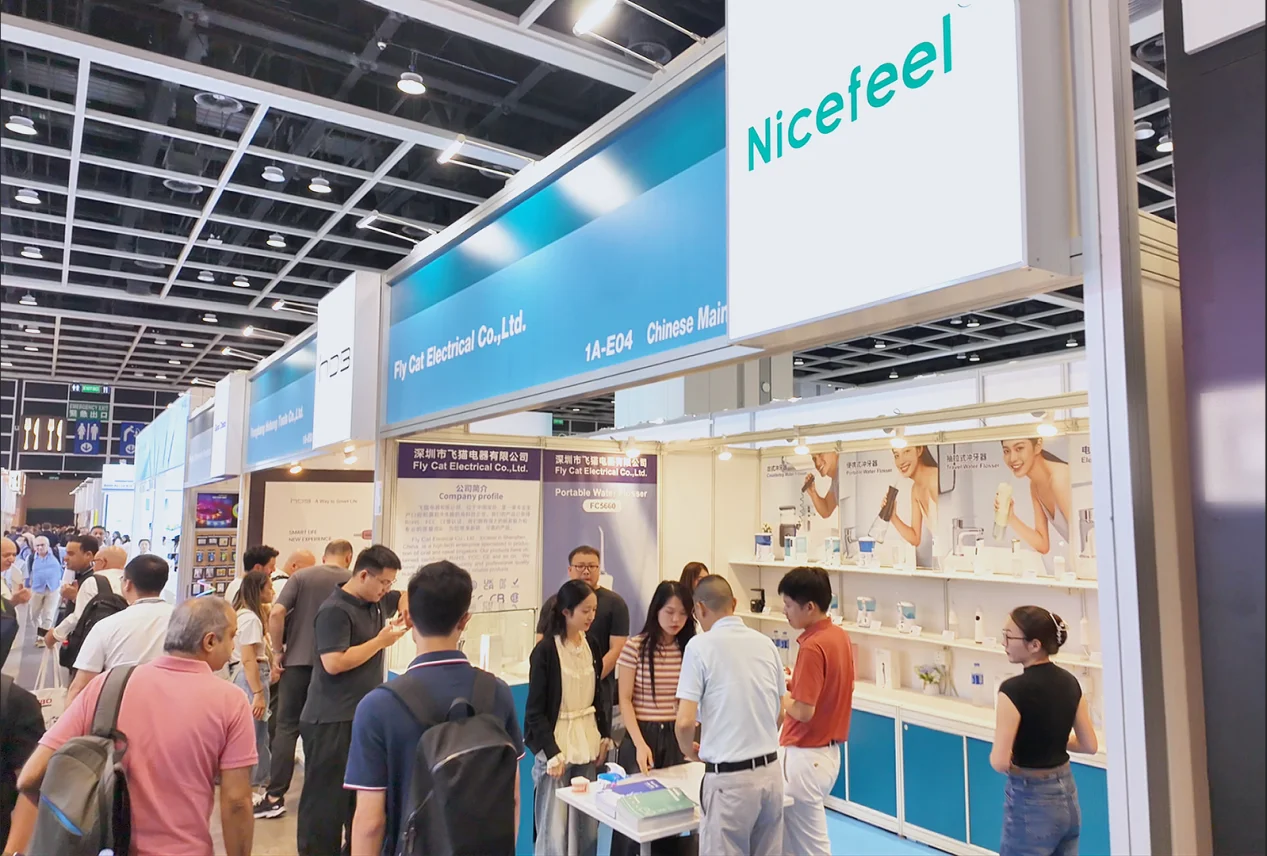
OEM development and private label development may use similar manufacturing resources, but the starting points are often different. OEM projects usually begin with a brand’s own product concept, technical requirements, or design direction, while private label projects may focus more on adapting existing product platforms for a specific market, channel, or customer group.
These differences affect how buyers plan product functions, packaging, testing, customization, and production schedules. For oral care brands and distributors, choosing the right development path can make communication with manufacturers more focused. It also helps teams decide where customization is necessary, which existing solutions can be used, and how much time should be allocated to design, validation, and preparation before production begins.
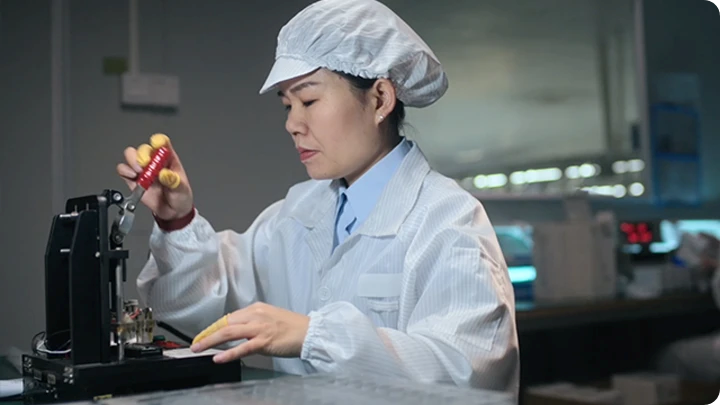
Market Factors in Oral Care Product Development
Consumer expectations for oral care products continue to change with different lifestyles and market environments. Functions, appearance, convenience, and product experience all influence purchasing decisions.
Before starting a project, we review customer requirements, target markets, and application scenarios. This helps us understand product positioning and develop suitable plans based on practical needs.
For brands and distributors, working with an experienced oral care manufacturer can simplify communication during product development. A reliable partner should be able to support design discussions, sampling, testing, and production coordination.
OEM and Private Label Development Planning
Every private label project has different goals. Some buyers focus on product differentiation, while others pay more attention to cost control, delivery schedules, or market compliance.
We provide OEM and ODM support covering product research, design, prototype development, and manufacturing. This process allows partners to review important details before mass production.
A complete dental care solution should include product planning, technical support, quality evaluation, and service communication. These elements help companies manage projects from early concepts to market preparation.
Core Technology Breakthroughs
Technology development plays an important role in oral care product performance. Product improvements often come from detailed research into internal structures, key components, and user requirements.
Breakthroughs in core technology start with an in-depth deconstruction of fundamental principles and are achieved through precise innovation of key components. We have established a closed-loop technology development system: from principle breakthroughs to component R&D and performance validation.
Our technical development includes low-noise motor technology, anti-rotation nozzle design, and detachable ozone modules. These technologies are created through continuous testing and improvement to support different product applications.
Quality Control and Compliance Planning
International markets have different requirements for product safety and environmental standards. For OEM buyers, compliance preparation should be considered during the early development stage.
We maintain cooperation with certification organizations such as UL, TÜV Rheinland, TÜV SÜD, SGS, and Intertek. Our products are developed according to market requirements in Europe, North America, Japan, South Korea, and other regions.
Patent planning is also an important part of product development. With a complete intellectual property management system, we review potential risks and support partners in creating products with clear development paths.
Production Management and Project Communication
Production efficiency affects inventory planning and market schedules. Buyers need clear communication channels to understand progress during sampling, testing, and manufacturing stages.
We combine research, design, and production capabilities within one development process. The average delivery period is around 30 to 35 days, depending on project details and production arrangements.
A professional manufacturing partner should not only manage production tasks effectively but also provide timely feedback throughout the cooperation process. Clear communication helps reduce unnecessary adjustments and supports smoother project progress.
Evaluating Product Performance and Market Application
Before launching oral care products, buyers usually review functions, user experience, and market feedback. Product structure, maintenance needs, and daily operation are important factors for evaluation. These details help businesses understand whether a product design fits customer expectations and different sales channels.
We have accumulated more than 400 patent items, including invention, utility model, design, and software patents. These technical resources support continuous product improvement and help meet different development requirements. They also provide technical support for product innovation and development planning.
For private label projects, packaging, documentation, and regional requirements should also be considered. A complete review process allows companies to prepare products with clearer market goals. It also helps partners organize product information and prepare for future market expansion.
Building Long-Term Development Partnerships
Successful OEM cooperation depends on continuous communication between brands and manufacturers. Product innovation, production management, and market understanding all influence the final development result.
With manufacturing experience and technical resources, Flycat works with global partners on customized oral care projects. We focus on combining product development capability with practical business requirements.
From concept planning to production delivery, structured cooperation helps companies improve development efficiency. A clear strategy allows brands and distributors to explore new opportunities while maintaining stable product planning.
Through continuous technology improvement and manufacturing support, Flycat continues to provide solutions for different oral care markets. By connecting research, production, and quality management, we help partners build products that fit their long-term development plans.