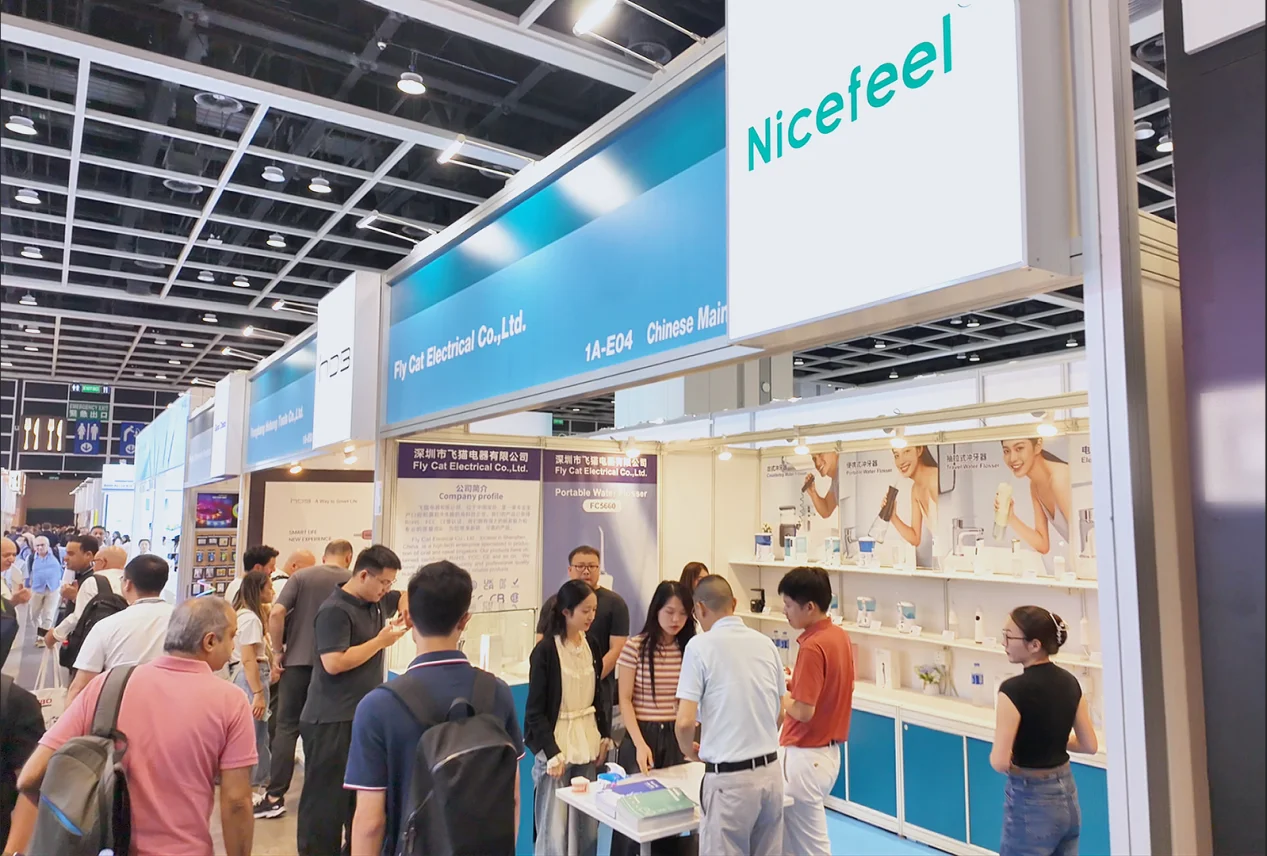
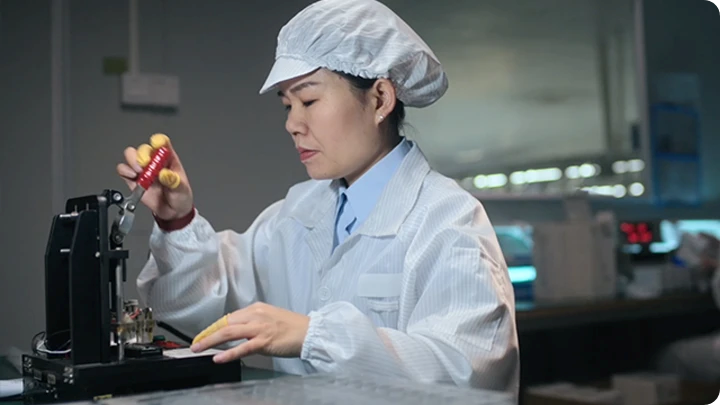
Nasal care devices are increasingly designed around simpler operation and comfortable daily use. For manufacturers, reducing unnecessary steps during usage has become an important part of product development. Clear controls, suitable pressure settings, and practical structures can help users complete nasal cleaning more easily while improving product acceptance across different user groups.
When we develop home care products, we consider the connection between user habits and technical design. A well-planned device should balance convenience, function, and production requirements while supporting different market needs. This approach also helps brands create products that fit changing consumer expectations.
User Requirements Behind Simpler Nasal Care Design
Users usually prefer devices that are easy to prepare and operate. Complicated buttons, unclear settings, or frequent adjustments may influence the daily experience. Therefore, manufacturers need to review every step, including water filling, operation, cleaning, and storage.
For a portable nasal irrigator, size and control design are important factors. A compact structure allows easier carrying, while simple operation helps users understand the product quickly. These details can influence how a device performs in different application scenarios.
Reducing interaction does not mean reducing functions. It means organizing useful features in a clearer way. Pressure adjustment, charging indicators, and water control should work together to create a smoother process.
Functional Integration in Nasal Care Product Design
Product integration plays an important role in improving user experience. The internal pump system, water flow structure, nozzle design, and control method all affect how many steps users need before and during operation.
The automatic nasal rinse design concept focuses on simplifying daily cleaning routines. By improving internal systems and control methods, manufacturers can reduce repeated adjustments while keeping the operation process practical.
Pressure control is one of the key areas in product development. Different users may have different comfort preferences, so adjustable pressure levels can provide more choices without making the device difficult to operate.
Product Details That Support Daily Convenience
A suitable product structure needs to balance portability and function. Manufacturers should consider the relationship between battery space, water capacity, product size, and maintenance requirements during development.
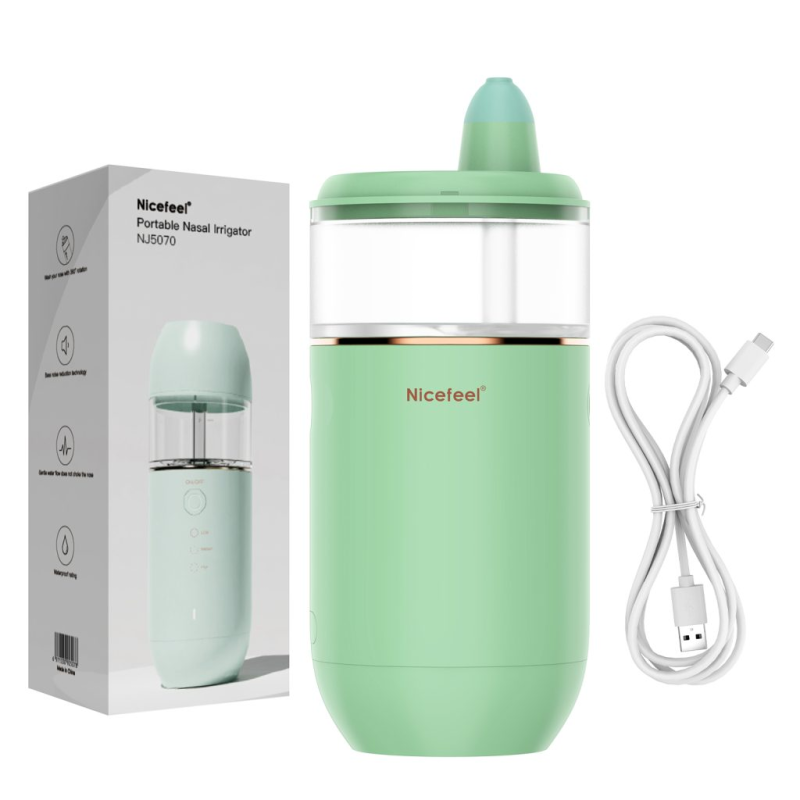
We pay attention to these practical details during production planning. The Portable Nasal Irrigator-NJ5070 has a product size of 62.5×52×152.5mm and a water tank capacity of about 45mL. Its compact design supports portable use while maintaining necessary functions.
The device provides Low, middle, and high working modes. Users can select different settings through the water pressure switch according to their needs. The charging time is about 4 hours, which supports regular home use.
Technology Choices for Better User Interaction
Technical design directly affects how users interact with nasal care devices. A stable motor system, reasonable pressure range, and comfortable noise level can improve the overall operation process.
We focus on combining product development experience with manufacturing capabilities. Flycat works with partners through OEM and ODM services, supporting projects from early concept discussion to production preparation. Our team reviews design details, production requirements, and application conditions during development.
Noise control is also considered in home environments. The Portable Nasal Irrigator-NJ5070 has a noise level of ≤60dB, helping create a more comfortable usage experience. Its pressure range is 0-10psi, allowing flexible product positioning for different markets.
Production Support Behind Practical Product Design
For B2B buyers, product design is closely connected with manufacturing stability and compliance requirements. A device needs suitable functions, but it also requires consistent production processes and quality management.
We provide development support covering design communication, prototype evaluation, and production coordination. We also maintain cooperation with certification organizations such as UL, TÜV Rheinland, TÜV SÜD, SGS, and Intertek to support different market requirements.
A clear development process helps manufacturers and buyers communicate more efficiently. Reviewing technical details at an early stage can reduce changes during later production and improve project management.
Smart Planning for Simpler User Interaction
Reducing user interaction requires careful planning instead of simply adding more automated functions. A practical design combines easy controls, suitable accessories, and convenient maintenance methods.
The automatic nasal rinse approach reflects this direction by focusing on smoother operation and clearer product functions. Manufacturers can improve user experience by reducing unnecessary steps while keeping important settings available.
With experience in nasal care and oral care manufacturing, Flycat supports partners in developing customized solutions for different markets. Through product planning, technical communication, and production management, we help businesses create devices that match user expectations.
Building Practical Solutions Through Better Design
Product interaction is influenced by many details, including pressure control, charging methods, water management, and overall structure. Manufacturers need to understand real usage habits and adjust product design based on practical needs.
By connecting user experience with manufacturing processes, companies can develop nasal care products with clearer operation and suitable functions. Careful design planning also helps partners respond to different market requirements and create more practical solutions for daily health care.