For nasal care brands and distributors, selecting a suitable cleaning device requires more than reviewing appearance or basic functions. Water delivery technology, operation design, and product adaptability all influence market acceptance. These factors also affect product positioning, user feedback, and long-term market performance in different regions.
Motorized systems have changed how nasal cleaning devices manage water flow. By controlling pressure and output stability, these systems provide users with a more organized cleaning experience and help buyers evaluate products from a technical perspective. They also allow manufacturers to create designs that balance comfort, functionality, and practical usage requirements.
Understanding Motorized Water Delivery Technology
The motor is an important component that controls water movement inside a nasal cleaning device. Its performance affects flow stability, pressure adjustment, and the overall feeling during use.
Unlike manual tools that rely on hand pressure, motorized solutions can provide a more consistent water supply. This allows users to focus on operation comfort instead of adjusting the flow manually.
For businesses reviewing an electric nasal cleaner, water delivery technology is one of the factors that influences product selection. Motor structure, nozzle design, and control methods need to work together to create a practical user experience.
A well-designed system should consider different user habits. Some users may prefer lower pressure settings, while others may require stronger water flow. Flexible adjustment helps products meet different cleaning preferences.
Key Factors Behind Stable Water Flow Performance
Pressure control is closely related to the performance of a nasal cleaning device. Multiple pressure levels allow users to select suitable settings according to their needs and usage experience.
Water flow stability also affects daily operation. Sudden changes in pressure may influence comfort, while a controlled delivery system can provide smoother performance during cleaning.
The connection between motor power and water output is another factor for buyers to review. A balanced design helps maintain consistent operation without focusing only on stronger flow.
When developing nasal care products, we consider these details during product planning. The goal is to combine technical functions with practical usage requirements, allowing partners to create products that fit different market expectations.
Product Design and Daily Usage Experience
Product structure and operation methods influence how consumers interact with nasal cleaning devices. Easy controls, suitable size, and clear functions can improve the overall experience.
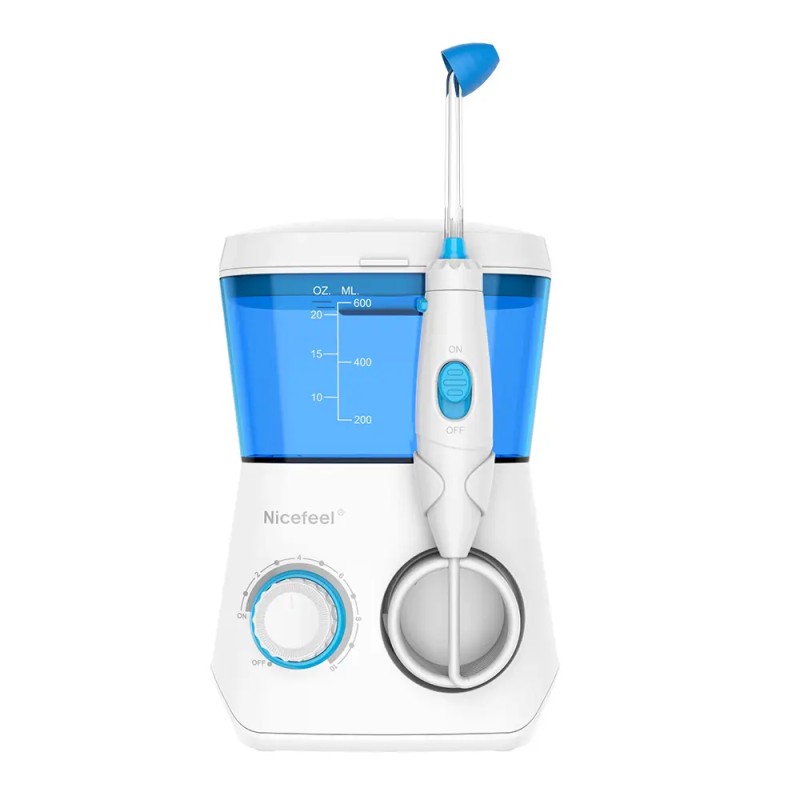
The Standard Nasal Irrigator-NJ165 is designed with practical features for daily nasal cleaning. It offers 10-stage pressure adjustment within a range of 0–10 PSI, giving users fine control over flow intensity for different nasal cleaning needs.
The product includes a two-in-one smart switch that combines power control and water pressure adjustment. This design simplifies the operation process and makes function adjustment more convenient.
The device size is 136mm×120mm×208mm, and the product net weight is approximately 800g. These specifications support a compact structure while keeping the functions suitable for home use.
How Supplier Capability Supports Product Development
For procurement teams, evaluating a nasal care supplier involves more than checking product functions. Development ability, production management, and quality control also influence cooperation decisions.
We provide OEM and ODM solutions for oral and nasal care products, supporting projects from design and prototype development to mass production. Our team works with partners to review product requirements and improve development efficiency.
Our manufacturing experience includes technologies such as quiet motor systems, anti-rotation nozzles, and detachable ozone modules. These technologies are developed according to different product applications and market demands.
Certification support is also an important part of international product development. We cooperate with organizations including UL, TÜV Rheinland, TÜV SÜD, SGS, and Intertek to support compliance requirements in different regions.
Technology Integration in Nasal Care Development
The performance of a powered nasal irrigator depends on the combination of water delivery, control systems, and product structure. Reviewing these elements helps buyers understand how technology affects the final user experience.
For distributors and brands, product planning also requires attention to supply stability and customization needs. Different markets may have different expectations regarding design, functions, and certification requirements.
Flycat works with partners through flexible OEM and ODM services, helping businesses develop nasal care products based on specific project goals. The process covers product communication, technical support, and manufacturing coordination.
By combining product development experience with quality management practices, we support partners in building solutions that connect technology with practical market needs.
Creating Practical Value Through Complete Evaluation
Choosing a nasal cleaning device requires a clear understanding of both technical design and user requirements. Motorized water delivery, pressure adjustment, and operation convenience all influence product performance.
For businesses exploring the powered nasal irrigator category, evaluating these factors can help create more suitable product strategies. A complete review of technology, design, and manufacturing support allows buyers to make informed decisions for different markets.
Flycat continues to improve product development capabilities and support partners with customized solutions. By focusing on practical innovation and reliable production processes, we help businesses develop nasal care products that match changing user expectations.