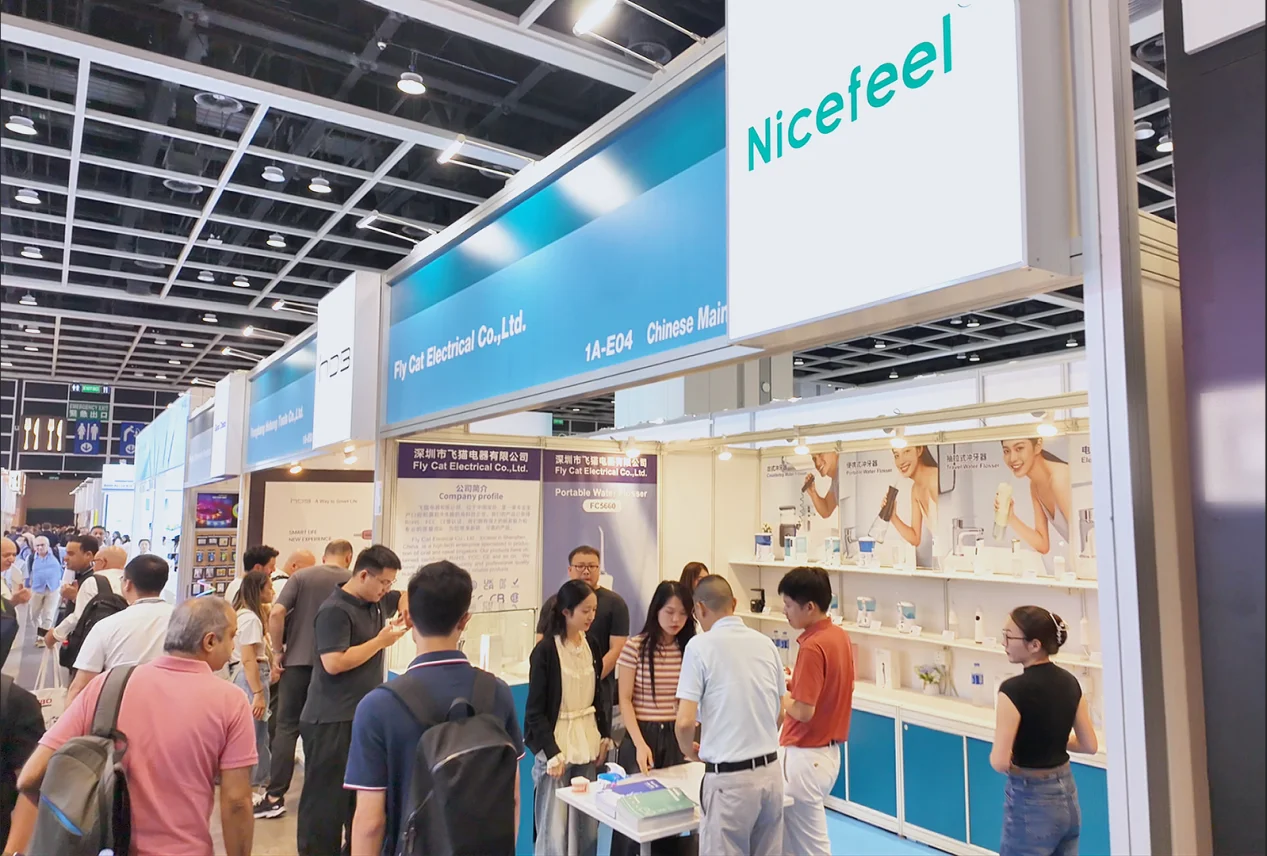
Oral cleaning habits are changing as users look for products that are easier to use, store, and maintain. Water flossers are now available in different structures, including handheld and countertop models. Each design has different features that influence portability, operation methods, and daily experience.
For distributors and oral care brands, understanding these differences helps with product selection and market planning. Factors such as pressure control, water capacity, structure, and user scenarios can affect how a product meets different customer expectations.
How Handheld Models Are Structured
A handheld water flosser combines the water tank, motor system, and control functions into one compact device. Compared with countertop models, it does not need a separate base unit, which makes it easier for users to move and store.
Countertop models usually have a larger body with an external water tank and connecting tube. They are often placed in a fixed location, while handheld designs provide more flexibility for users who need portable oral care solutions.
The internal structure plays an important role in product performance. Motor design, water flow stability, and grip comfort all influence the user experience. A balanced structure allows the device to remain comfortable during daily operation.
When buyers compare different options, a handheld oral irrigator represents a product direction focused on convenience and mobility. It can meet the needs of users who prefer simple storage, flexible placement, and easier handling.
Pressure Control and Daily Experience Differences
Water pressure is an important factor when users evaluate oral cleaning devices. Different pressure levels can influence cleaning comfort and usage habits. Adjustable settings allow users to select a suitable level based on their personal preferences.
Countertop models may offer multiple pressure options through a fixed control panel. Handheld products need to consider pressure performance together with size, battery efficiency, and internal arrangement. This requires careful product development.
We focus on practical functions when creating oral care solutions for different markets. Our design process considers user experience, product structure, and customization requirements to help partners develop products that match their sales channels.
A stable water flow is not only related to pressure strength. Nozzle design, control methods, and handling comfort also influence product performance. These details are valuable references for businesses reviewing oral care categories.
How FC5360 Supports Portable Cleaning Needs
Portable oral care products continue to attract attention because many users prefer devices that fit different environments. Travel, office spaces, and smaller bathrooms can create demand for compact cleaning equipment.
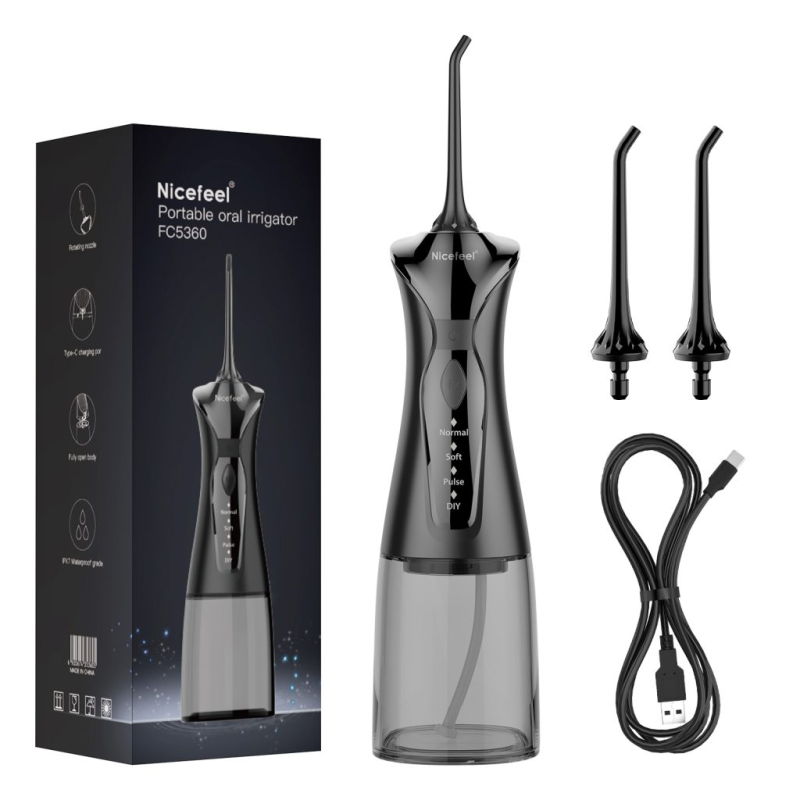
Our Smart Water Flosser with DIY Pressure Control FC5360 is developed for flexible daily use. The product features four modes, DIY pressure control, a comfortable grip, and IPX7 waterproof protection for convenient operation in different situations.
The FC5360 provides DIY pressure adjustment with a 20–130 PSI pressure range. It also includes an internal drive structure, a 300mL water tank, and a curved handheld design. These specifications balance cleaning functions with comfortable handling.
For businesses selecting a handheld oral irrigator, product details such as water capacity, pressure range, and waterproof performance are important evaluation points. These elements can influence customer acceptance in different regions.
Manufacturing Factors Behind Oral Care Products
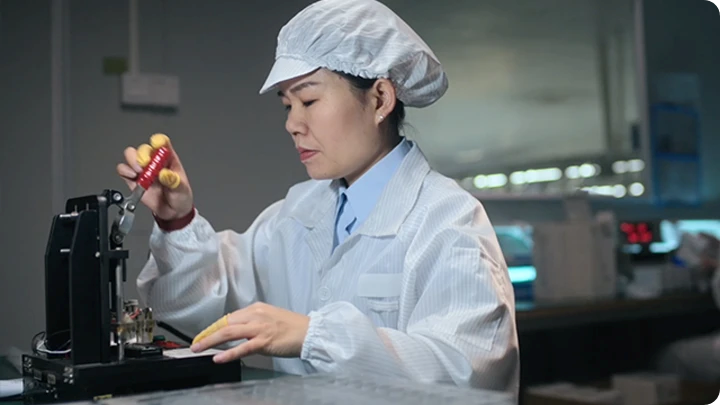
Product development involves more than appearance and basic functions. Manufacturers need to consider technology improvement, production management, quality control, and compliance requirements throughout the process.
As an oral care manufacturer, Flycat provides OEM and ODM support for global partners. We have experience in product development and manufacturing, with technical resources covering areas such as quiet motor systems, anti-rotation nozzles, and removable ozone modules.
Our development team supports projects from early research and design to sample preparation and mass production. We also cooperate with certification organizations including UL, TÜV Rheinland, TÜV SÜD, SGS, and Intertek to support different market requirements.
Production efficiency is another consideration for procurement teams. We manage communication between design, testing, and manufacturing stages to support stable project progress. This approach helps partners plan product launches with clearer timelines.
Choosing the Right Model for Different Users
Handheld and countertop models serve different usage situations. Countertop devices may suit users who prefer fixed placement, while handheld products are suitable for people who value portability and easier storage.
A handheld water flosser can be considered when compact design and flexible operation are important purchasing factors. Adjustable pressure, ergonomic structure, and waterproof features can support different daily cleaning habits.
For distributors and retailers, understanding product differences helps create more suitable purchasing strategies. Market preferences, customer groups, and application scenarios should all be considered before selecting a product range.
A clear understanding of structure and functions allows businesses to evaluate oral care products from a practical perspective. This helps reduce selection difficulties and supports more targeted product planning.
Practical Considerations for Oral Care Selection
Handheld and countertop oral irrigators have different design focuses. The main differences are related to structure, portability, operation methods, and user experience. Understanding these factors helps buyers review products more effectively and identify whether a handheld oral irrigator fits specific market needs.
We continue to improve oral care solutions by combining manufacturing experience with partner requirements. By focusing on product functions and market needs, we support businesses in developing suitable solutions for different customers.
Choosing an oral cleaning device requires attention to both technical details and real usage conditions. A balanced evaluation of design, performance, and application needs can help create better product decisions for future market development.