Nasal irrigation devices are gaining attention as people look for practical ways to support daily nasal care. Different users have different expectations for device size, operation methods, and storage space. For brands and distributors, understanding portable and countertop designs can help evaluate products according to market needs.
The choice between these two structures depends on usage habits and product positioning. Factors such as water capacity, pressure control, charging method, and maintenance convenience all influence the overall experience. Reviewing these details helps buyers understand how different designs fit various application scenarios.
Portable and Countertop Designs: Key Differences for Buyers
Portable models focus on flexibility and easy transportation. Their compact structure allows users to store and carry the device more conveniently. These products are often considered for personal use, travel situations, and environments where space is limited.
Countertop models usually have a fixed placement design. They may provide a larger structure for regular household use and are suitable for users who prefer keeping the device in one location. Stable operation and easy access are common considerations for this type.
When buyers evaluate a powered nasal irrigation system, they often review the balance between portability and daily usability. Product size, water storage, and operating methods can influence customer acceptance in different sales channels.
From a design perspective, both structures require careful planning. Internal components, sealing performance, water flow systems, and power solutions need to work together to support reliable product operation.
Performance Factors Behind Different Product Designs
Pressure control is an important part of nasal irrigation equipment. Different users may prefer different water flow experiences, so manufacturers need to consider adjustment ranges and operating comfort during development.
Water tank capacity also affects product usage. Smaller tanks can support compact portable designs, while larger tanks may reduce the frequency of refilling. Buyers should consider the habits of their target customers before selecting a product structure.
Noise performance is another factor related to user experience. Lower operating sound can make the device more suitable for home environments. Motor design and internal structure optimization are important parts of controlling operating noise.
The market for a nasal sinus irrigation system includes different product formats for various customer requirements. Evaluation should include technical features, application environments, and long-term maintenance needs.
Product Features of Mini Nasal Irrigator-NJ5260
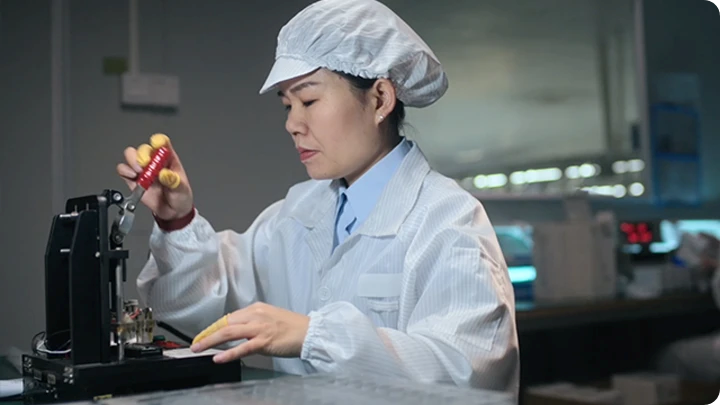
We develop nasal and oral care products with OEM and ODM support for global partners. Our development process covers product design, engineering testing, production preparation, and quality management to meet different project requirements.
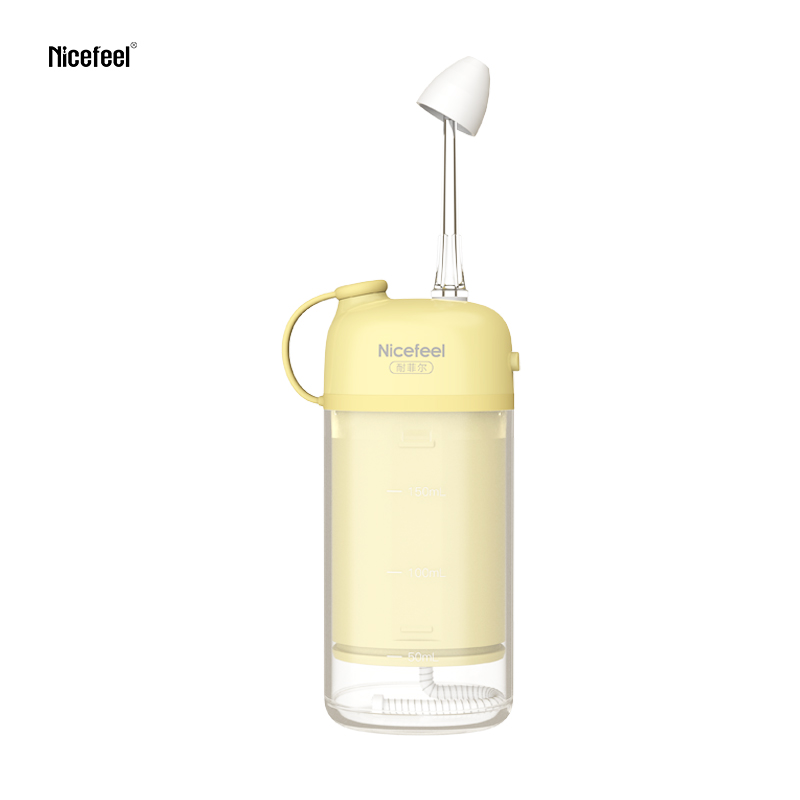
Mini Nasal Irrigator-NJ5260 is designed with a portable structure for convenient daily use. The product provides pulse performance of 1200-1500 times/min and a pressure range of 15-106PSI, allowing users to select suitable settings based on their needs.
The device includes a 150mL water tank capacity and uses Type-C charging. It also features an IPX7 waterproof grade, supporting easier cleaning and maintenance. The noise level stays below 72 dB, which helps create a comfortable experience during regular operation.
Flycat supports partners with customized manufacturing solutions and product development experience. We focus on combining technical development with practical production requirements to help businesses create suitable nasal care products.
Supply Capabilities Support Product Planning
Product selection for distributors involves more than design features. Production capability, quality management, certification preparation, and communication efficiency are also important parts of supplier evaluation.
We provide OEM and ODM services with an average delivery period of 30-35 days according to project requirements. Our team supports different stages, including early product discussion, sample development, testing coordination, and mass production preparation.
Certification requirements can vary between regions. We cooperate with organizations such as UL, TÜV Rheinland, TÜV SÜD, SGS, and Intertek to support products entering markets with different safety and environmental requirements.
Intellectual property protection is also considered during product development. Flycat has built a patent portfolio covering different technology areas and pays attention to risk control during the design and production process.
Selecting the Right Structure for Market Needs
Portable and countertop designs serve different customer groups. Portable devices may attract users who value mobility, while countertop products can fit users who prefer regular home placement and simple operation routines.
For procurement teams, understanding customer preferences helps create clearer product plans. Sales channels, regional habits, and expected usage frequency can all influence the final selection between different structures.
A suitable powered nasal irrigation system should combine product design, technical performance, and supply support. Reviewing these factors together allows businesses to evaluate solutions based on practical market conditions.
Product planning also requires attention to future maintenance and customer feedback. Clear design choices and stable manufacturing processes can support long-term product development.
Practical Considerations for Future Nasal Care Products
Portable and countertop designs each provide different options for nasal care applications. Size, water capacity, pressure adjustment, and charging methods all influence how users interact with the product.
The development of a nasal sinus irrigation system requires consideration of both user experience and manufacturing details. We continue to support partners with flexible development services and production solutions for different market requirements.
By understanding design differences and technical factors, buyers can make clearer decisions when planning new products. Combining market knowledge with manufacturing support helps create nasal care solutions that match changing customer expectations.