A nasal irrigator uses a controlled saline flow to rinse the nasal passages. It can help remove mucus, dust, pollen, and other small particles that collect inside the nose. For people who experience dryness, congestion, or seasonal irritation, regular rinsing may support nasal health by keeping the nasal cavity cleaner and more comfortable.
A dental water flosser works around teeth and the gumline, while a nasal irrigator is designed for the more sensitive nasal cavity. Because the application is different, the liquid, pressure, nozzle design, and cleaning method also need to match nasal use.

How Nasal Irrigation Works
When saline enters one nostril, it can pass through the nasal cavity and drain from the other side or from the same nostril, depending on the device and technique. The flow helps loosen mucus and carry away particles that may remain on the nasal lining.
We usually explain nasal irrigation as a mechanical cleaning process rather than a medication. The device does not treat every cause of congestion. Its purpose is to support routine cleaning and moisture management, especially when users are exposed to dry air, dust, or seasonal allergens.
Saline preparation is also important. Users should follow the device instructions and use suitable water for nasal rinsing. Distilled, sterile, or previously boiled and cooled water is commonly recommended for this purpose. The device should also be cleaned and dried after use.
What the Rinse Can Help Remove
The nose constantly filters material from the air. Pollen, dust, and fine debris can mix with mucus and remain inside the nasal passages. A gentle saline rinse can help wash some of this material away and reduce the feeling of buildup.
Thicker mucus can also make breathing feel uncomfortable. In this situation, irrigation may help loosen secretions so they can drain more easily. The goal is not to use stronger pressure, but to create a steady flow that feels comfortable during use.
This is why pressure control matters. Excessive force may cause discomfort, while very weak flow may not provide an effective rinse. We therefore look at pressure range, flow pattern, nozzle structure, and reservoir design when considering how a nasal device should perform in daily use.
Device Design Affects Daily Use
Different users may prefer different product formats. Portable devices can be practical for travel or limited bathroom space, while countertop models may suit people who prefer a larger water supply. Tank capacity, charging method, waterproof design, nozzle shape, and cleaning access can all influence daily convenience.
A nasal device should also be easy to maintain. Residual moisture can remain inside the tank or nozzle after rinsing, so removable parts and accessible surfaces can make cleaning simpler. Clear instructions also help users understand how often parts should be rinsed, dried, or replaced.
These needs are different from those of a dental water flosser. Oral devices focus on cleaning around teeth, braces, bridges, and gumlines. Nasal products need to guide saline through the nasal cavity with a flow pattern and nozzle structure intended for that application.
Why Safe Use Matters
Good technique is as important as device design. Users should prepare saline correctly, avoid untreated tap water, and keep the equipment clean. A comfortable body position can also help the solution drain without creating unnecessary pressure.
If rinsing causes repeated nosebleeds, persistent pain, unusual headaches, fever, or worsening symptoms, users should stop and seek medical advice. Nasal irrigation can be useful for routine care, but it should not replace professional evaluation when symptoms are severe or continue for a long time.
For brands and distributors, these points also affect product instructions. Packaging should explain water preparation, cleaning, storage, and operating steps in simple language. Clear guidance can reduce misuse and make the product easier for first-time users to understand.
How We Support Product Development
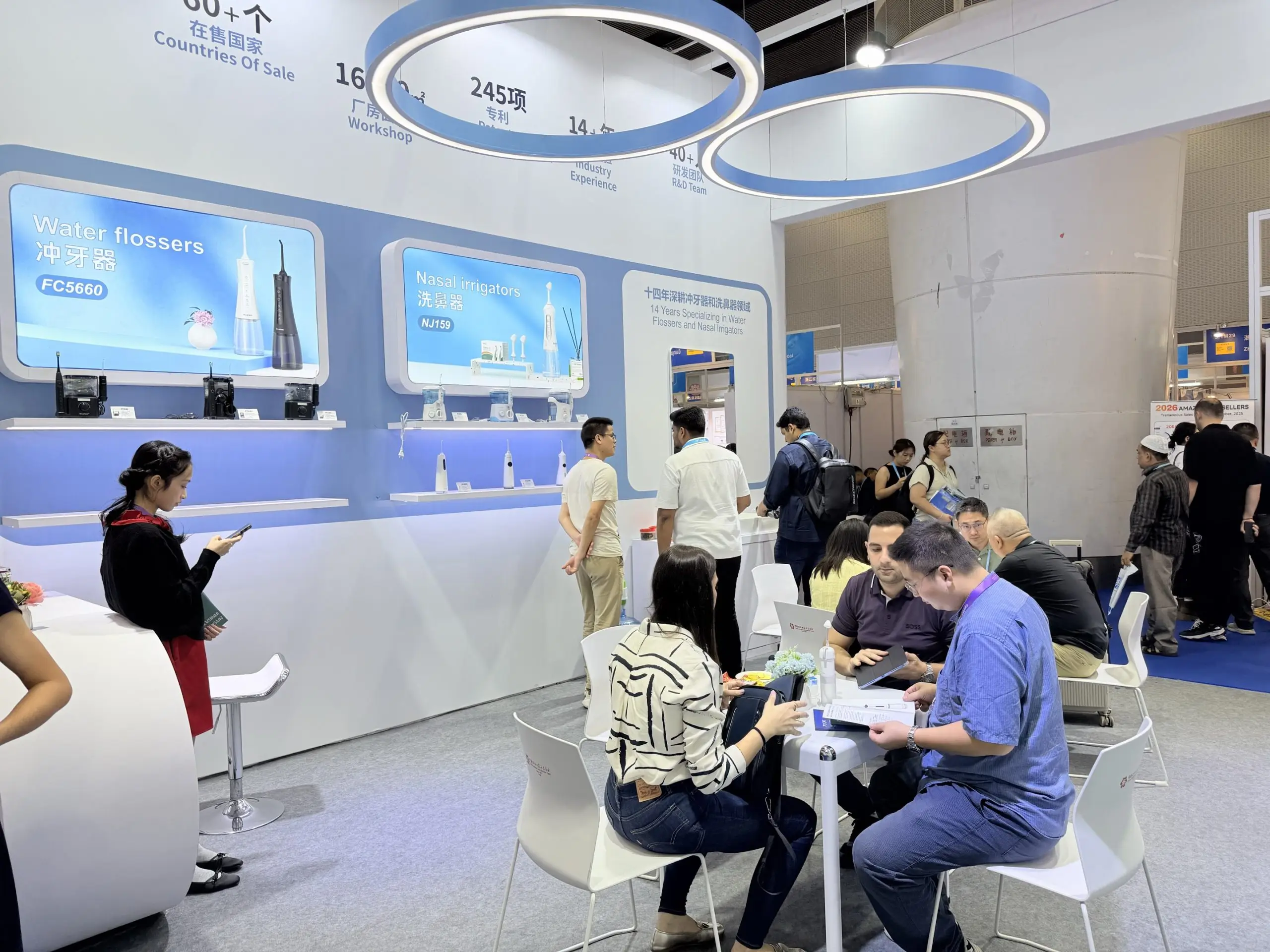
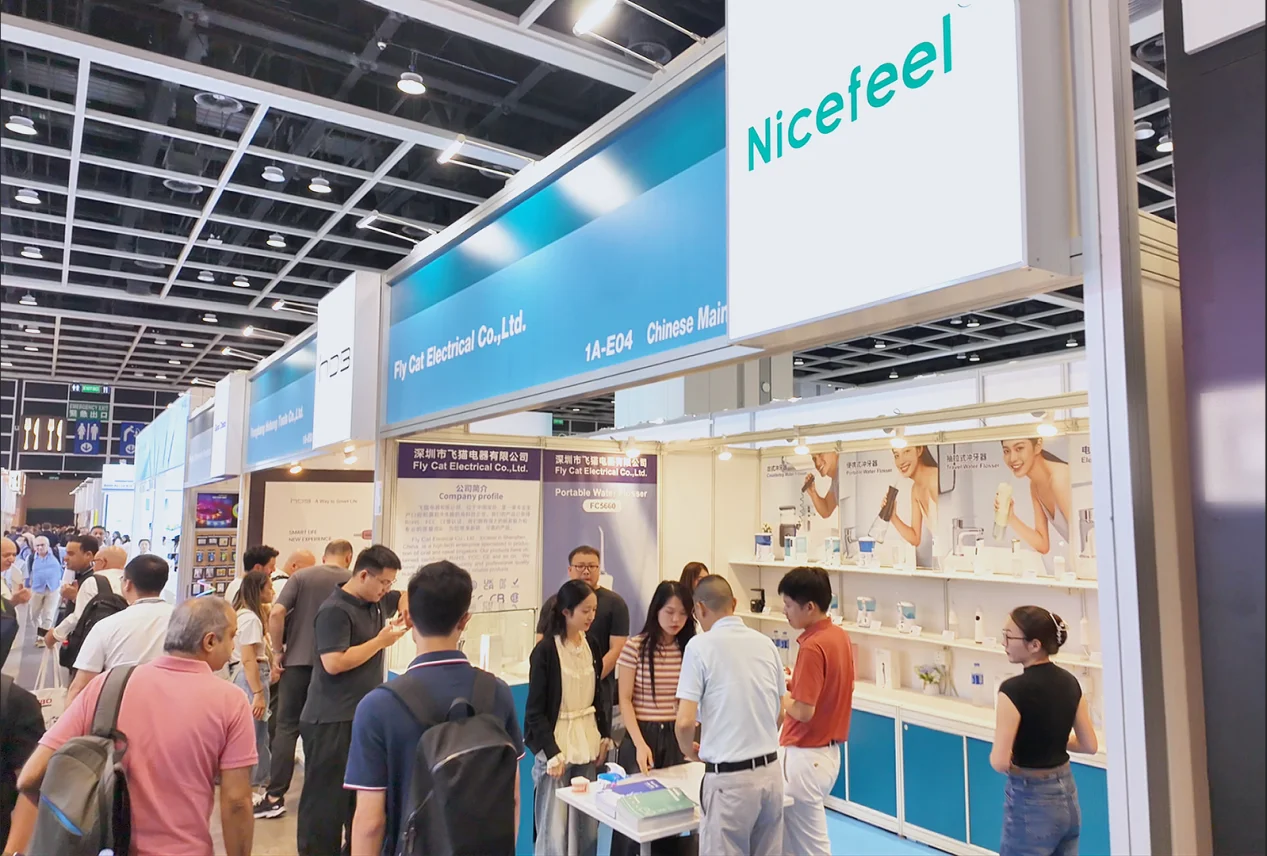
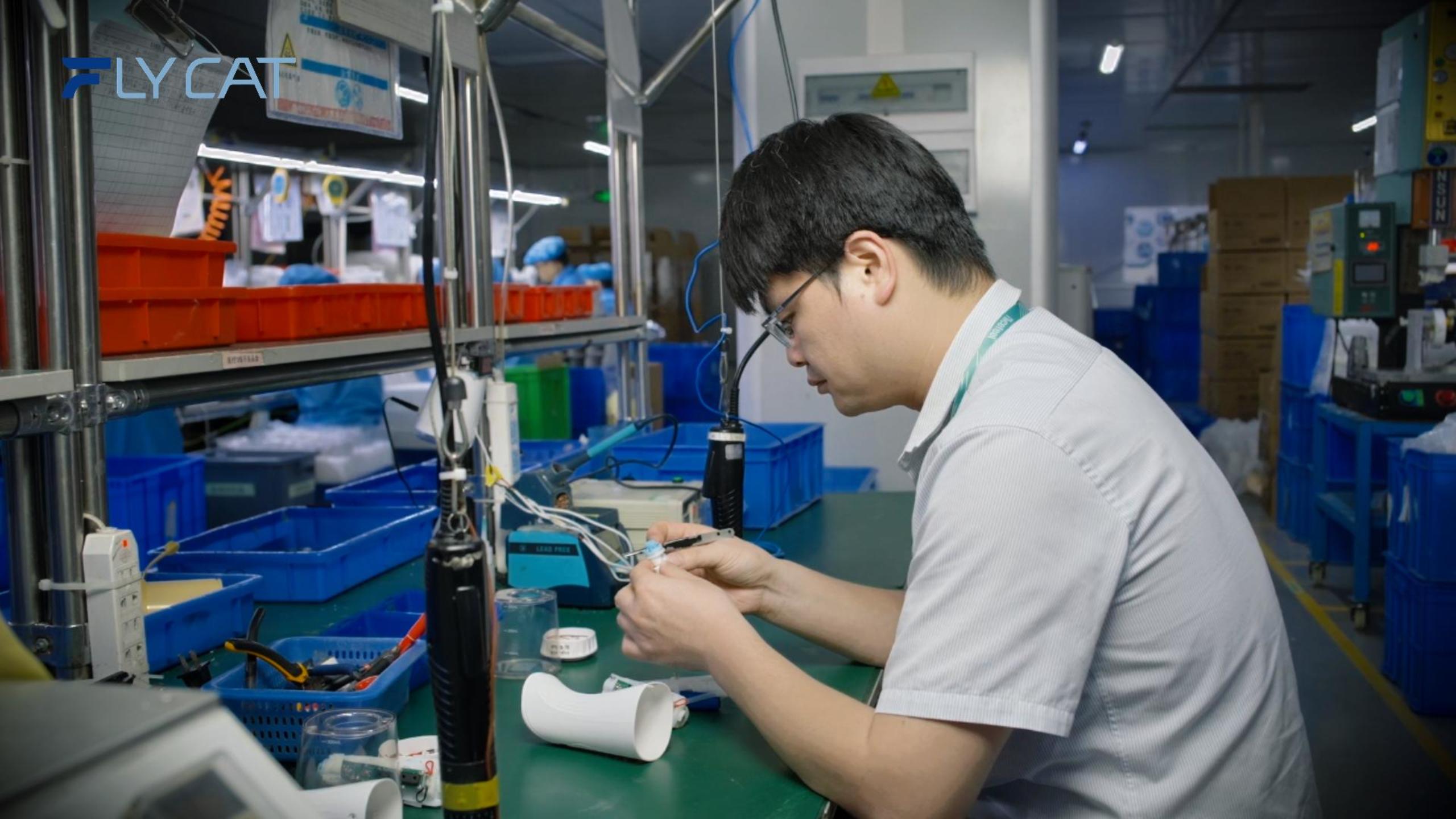
Founded in 2012, Flycat develops oral hygiene products and nasal care solutions for global brands. Our manufacturing facility covers more than 20,000 square meters and has more than 600 employees, including over 40 R&D engineers. Today, our products are distributed in more than 60 countries and regions.
Our R&D team works across early research, product design, prototyping, testing, and transfer to mass production. We have accumulated more than 400 patents and related intellectual property items, including inventions, utility models, appearance designs, and software copyrights.
Also, we work with organizations such as UL, TÜV Rheinland, TÜV SÜD, SGS, and Intertek to support different compliance needs. Our average delivery cycle is 30 to 35 days.
Flycat operates under the ISO 9001 quality management system, and our production process is designed to follow relevant regulatory requirements across markets. Depending on the model and destination, our products are developed to meet CE and RoHS requirements, and selected models are IPX7-rated for water resistance. Where applicable, we also support FDA registration and other market-specific procedures.
A Practical Role in Daily Nasal Care
A nasal irrigator has a simple purpose: it helps move saline through the nasal passages to loosen mucus, rinse away debris, and add moisture when the nose feels dry. The value of the device comes from controlled flow, suitable saline, clean equipment, and correct daily use.
For brands and distributors, product development should also consider user comfort, maintenance, compliance, and clear instructions. When these details are handled carefully, a nasal irrigator can become a practical part of routine nasal care without relying on exaggerated claims or complicated usage.