Noise has become an important consideration when buyers evaluate home oral care devices. For users, a comfortable cleaning experience is not only related to water pressure and functions but also to how the device sounds during daily operation. For brands and distributors, understanding noise performance helps them review product design from a practical market perspective.
A water flosser’s sound level is influenced by the motor, pump structure, water flow system, and internal design. Comparing these elements allows buyers to select products that match different user expectations, especially for morning routines in home environments.
Understanding the Factors Behind Water Flosser Noise
The motor is one of the main parts that affects operating sound. When the motor runs, vibration may transfer through the product structure and create additional noise. A stable internal design can help control vibration and improve the overall user experience.
Water flow control also influences sound performance. Sudden changes in pressure or unstable water movement may create extra sounds during use. A balanced system can support smoother operation while maintaining cleaning performance.
When buyers compare a water flosser machine, they usually consider more than the decibel level. Pressure adjustment, cleaning modes, water capacity, and daily maintenance are also important factors that influence product selection.
Different users may have different expectations. Some prefer stronger cleaning performance, while others pay more attention to comfortable operation in shared living spaces. A suitable product design needs to balance these requirements.
Key Points for Comparing Quiet Oral Care Devices
Noise testing provides useful information, but the test result should be reviewed together with product specifications. The motor structure, water pump, and housing materials may affect how the sound feels during actual use.
A countertop oral irrigator is often designed for home bathrooms where users need convenient operation and stable performance. The product size, water tank design, and control functions can influence daily usage habits.
For procurement teams, reviewing the complete technical information helps them understand whether a product fits their target market. Noise, cleaning ability, durability, and compliance requirements should be evaluated together.
The development process also affects final product quality. Testing different components and adjusting product structures can help manufacturers create oral care devices that meet different customer needs.
FC288 Specifications Support Practical Home Applications
We develop oral care products based on market requirements and customer applications. With OEM and ODM experience, Flycat works with brands and distributors on product development, customization, and manufacturing support.
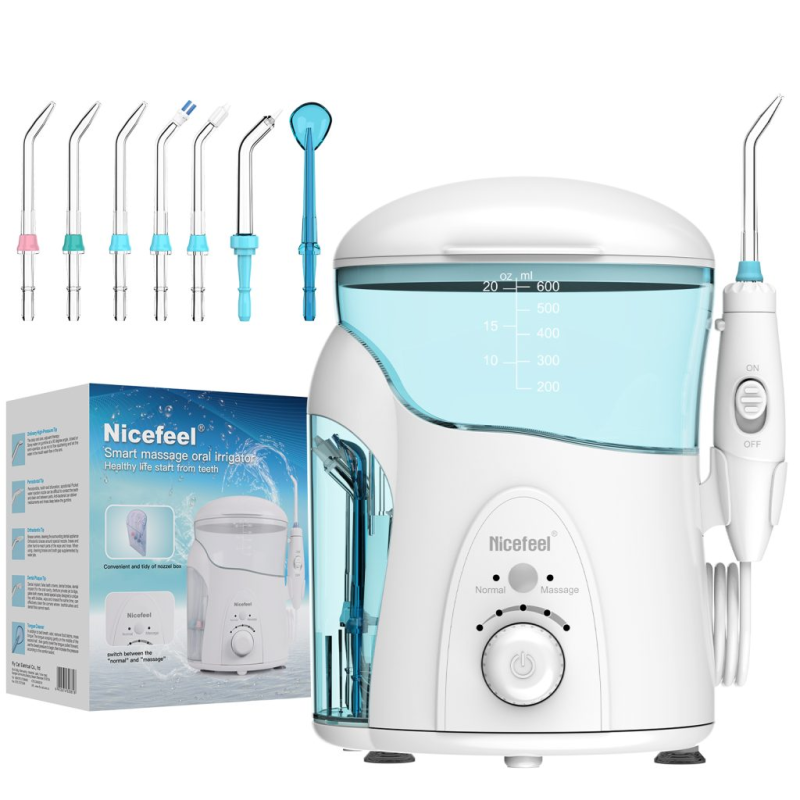
The Countertop water flosser-FC288 is designed for users who need convenient home cleaning. It features a 600mL water tank capacity, which supports longer cleaning sessions. The device uses an input voltage of 100-240VAC 50/60Hz and has a power rating of 18W.
The product reaches prime time in less than 15 seconds. It provides normal and massage cleaning modes, with 5 grades available for massage adjustment. The pressure range is from 30 to 125 psi, allowing users to choose different cleaning levels.
The FC288 provides a flow rate of ≥290mL/min and keeps noise lower than 72 decibels. It is designed to comply with CE and RoHS requirements, and Flycat supports FDA registration and related documentation for applicable markets.
How Product Design Influences User Experience
Quiet operation requires cooperation between different components. A well-designed motor system, stable water pathway, and reasonable structure can influence both sound and cleaning performance.
We also support partners with complete project development services. Our R&D team covers product research, design, sample testing, and production preparation. This allows us to respond to different project requirements with practical solutions.
Our company has accumulated patent experience in oral care technology, including developments related to quiet motor systems, nozzle structures, and other functional designs. We also cooperate with certification organizations such as UL, TÜV Rheinland, TÜV SÜD, SGS, and Intertek.
For international projects, product compliance is an important consideration. We provide support for certification requirements and help partners manage product development according to different market conditions.
Selecting Models Based on Market Requirements
Choosing a quieter oral care device requires reviewing the relationship between noise, performance, and user needs. A product with suitable sound control can better fit daily routines, but other features should also match the expectations of target customers.
For distributors and procurement teams, product evaluation should include technical specifications, quality management, and supply capability. These details help businesses make more practical purchasing decisions.
Flycat continues to work with partners through flexible OEM and ODM services. By combining product development experience with manufacturing support, we help customers explore oral care solutions for different markets.
Technical Review Helps Build Better Product Decisions
Noise comparison is only one part of water flosser evaluation. Motor design, pressure control, water flow, certification, and production capability all influence the final product choice. For buyers considering a countertop oral irrigator, these factors can provide a clearer understanding of product performance and application value.
By reviewing these factors together, buyers can better understand product differences and select solutions that match their business goals. A detailed technical review helps brands and distributors plan products with clearer market expectations.