Water residue and mineral buildup are common concerns when users maintain oral care devices. A proper cleaning routine helps keep the tank, hose, and nozzle in good condition. For distributors and brands, understanding these maintenance details can also help evaluate product structure and user experience.
Cleaning is not only about removing visible residue. Internal water paths, removable parts, and daily care habits all influence long-term use. Knowing how each component works allows users to follow more practical maintenance steps.
Key Areas That Require Regular Cleaning
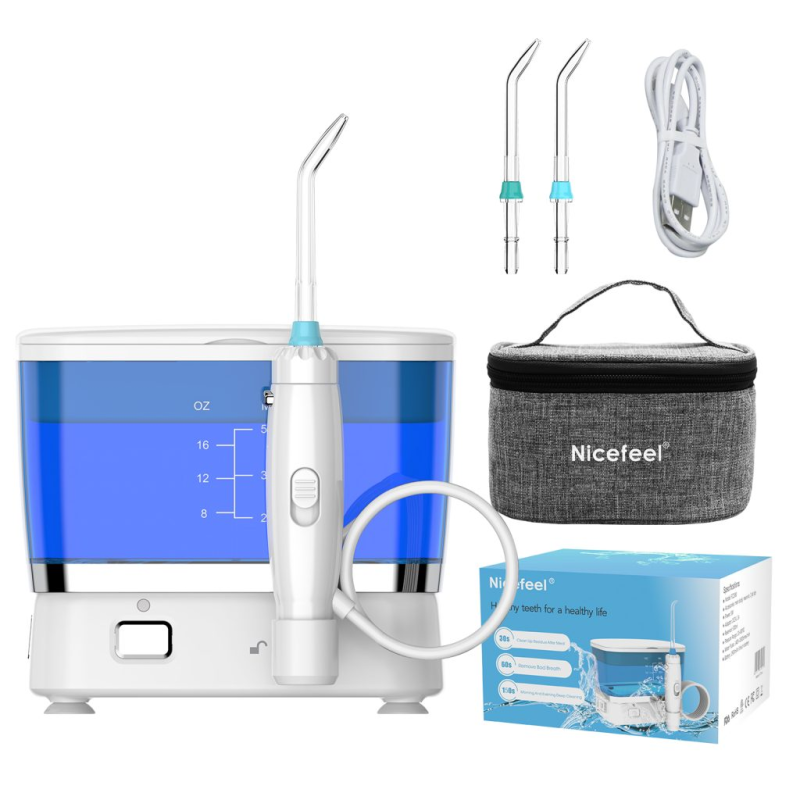
A water flosser includes several connected parts that work together during operation. The water tank stores the liquid, the hose transfers water flow, and the nozzle directs the water jet toward the target area. These components need coordinated maintenance because each part influences the overall cleaning process and daily user experience.
For a countertop oral irrigator, buyers often consider whether the product design supports simple cleaning and maintenance. Removable components, tank access, and clear instructions can affect how users manage daily care. Easy maintenance features also help users understand product operation and build regular cleaning habits.
The handle and hose connection also need attention. Water may remain inside after use, so regular rinsing helps reduce residue accumulation and supports stable operation. Checking these areas regularly can help maintain consistent water delivery and improve long-term usage experience.
Cleaning the Water Tank and Internal Path
The water tank is one of the main areas requiring routine maintenance. Users can empty remaining water after use and rinse the tank with clean water. A soft cloth can be used to remove moisture from the surface.
For deeper cleaning, users should follow the product manual and select suitable cleaning methods. Avoiding rough tools or unsuitable liquids helps protect the tank structure and materials.
The internal water path also requires care. Running clean water through the system helps remove remaining particles and keeps the flow route cleaner for future use.
Maintaining the Hose and Nozzle Connection
The hose connects the water source with the handle, making it an important part of water delivery. Users can check the connection area regularly and rinse it to reduce water residue.
The nozzle is another key component that requires proper care. Removing the tip and cleaning it separately helps maintain the outlet area. Different nozzle types may have different replacement and cleaning requirements.
When we develop oral care solutions, we consider these practical maintenance needs. Flycat works with partners on OEM and ODM projects by combining product development experience with manufacturing support.
Product Design and Maintenance Considerations
Product structure influences how easily users complete cleaning tasks. A suitable design should allow convenient access to the tank, tips, and other removable parts without complicated procedures.
Our Countertop water flosser-FC2581 includes a main body, water tank, 2pcs tip, Micro USB cable, user manual, handle, and hose. It uses a DC5V, 1A adapter and provides a water jet pulse of 1400-1800 times/min.
The model features a 500ml water tank capacity, pressure range of 10-100psi, IPX7 waterproof grade, and 5W power rating. It also uses a 1900mAh lithium battery for different usage situations.
Product Functions Behind Better User Experience
Cleaning design is connected with overall product performance. A water flosser machine with practical structure can make routine maintenance easier and help users manage daily care.
For business buyers, product details such as pressure control, waterproof design, and component arrangement are important evaluation points. These factors help partners understand how products may fit different markets.
Flycat supports partners through product customization, production coordination, and technical communication. We focus on developing oral care solutions that match different project requirements and market needs.
Building Practical Maintenance Habits
Clear maintenance plans help users manage daily care. Cleaning the tank after use, checking the hose connection, and washing the nozzle regularly are simple steps that support consistent product operation.
For brands and distributors, understanding these details helps explain product value to end customers. A water flosser machine should consider cleaning convenience, product structure, and user habits instead of focusing only on water pressure.
Our development process includes attention to technology, quality control, and compliance requirements. We cooperate with organizations such as UL, TÜV Rheinland, TÜV SÜD, SGS, and Intertek to support different market requirements.
During product selection, buyers can also review replacement parts, packaging details, and after-sales support plans. These factors influence how distributors introduce products through different channels. Clear manuals and maintenance guidance help customers understand daily operation. For manufacturers, user feedback also provides useful information for future product improvement.
Enhancing Practical Oral Care Solutions
Selecting an oral care device requires attention to both technical features and maintenance needs. From tank cleaning to nozzle care, every component affects the overall user experience.
As a manufacturer with OEM and ODM capabilities, we support partners with product development, customization, and supply coordination. By understanding cleaning requirements, businesses can better evaluate oral irrigation products for different applications.
A practical device combines functional design with simple maintenance methods. With proper cleaning knowledge, users and business partners can better understand oral care solutions and make more suitable product decisions.