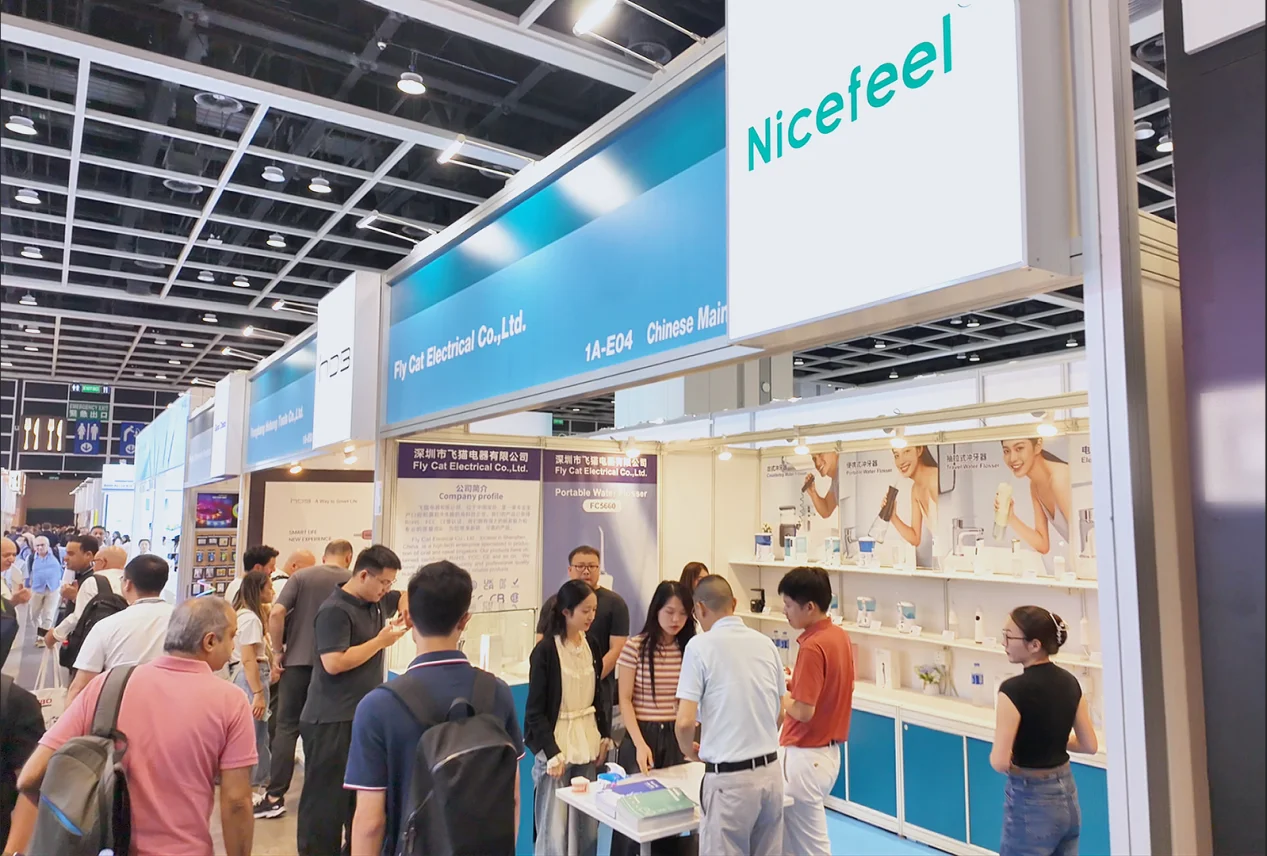
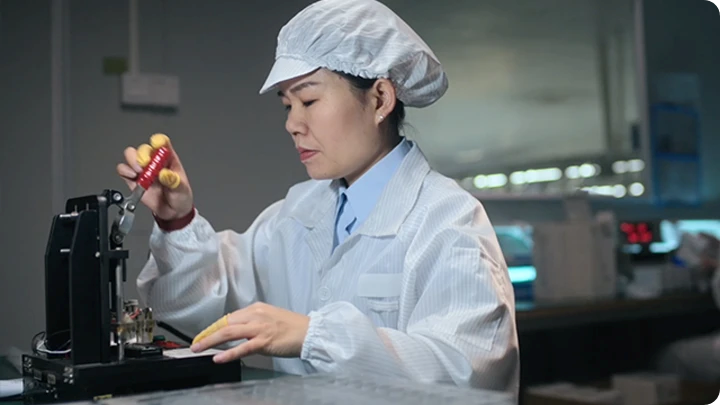
Oral care routines are changing with different lifestyles and usage environments. Some users prefer keeping a device in the bathroom for daily cleaning, while others need a solution that can be carried during travel or work. Understanding the differences between portable and countertop models helps users evaluate product features based on real needs. Product size, water capacity, power methods, and storage convenience can all influence the final choice.
For oral care brands and distributors, product planning also requires attention to size, functions, and market preferences. A suitable design should match user habits while considering convenience, maintenance, and long-term usage experience. By analyzing different application scenarios, businesses can better understand customer expectations and develop products that fit various sales channels.
Key Differences Between Portable and Countertop Models
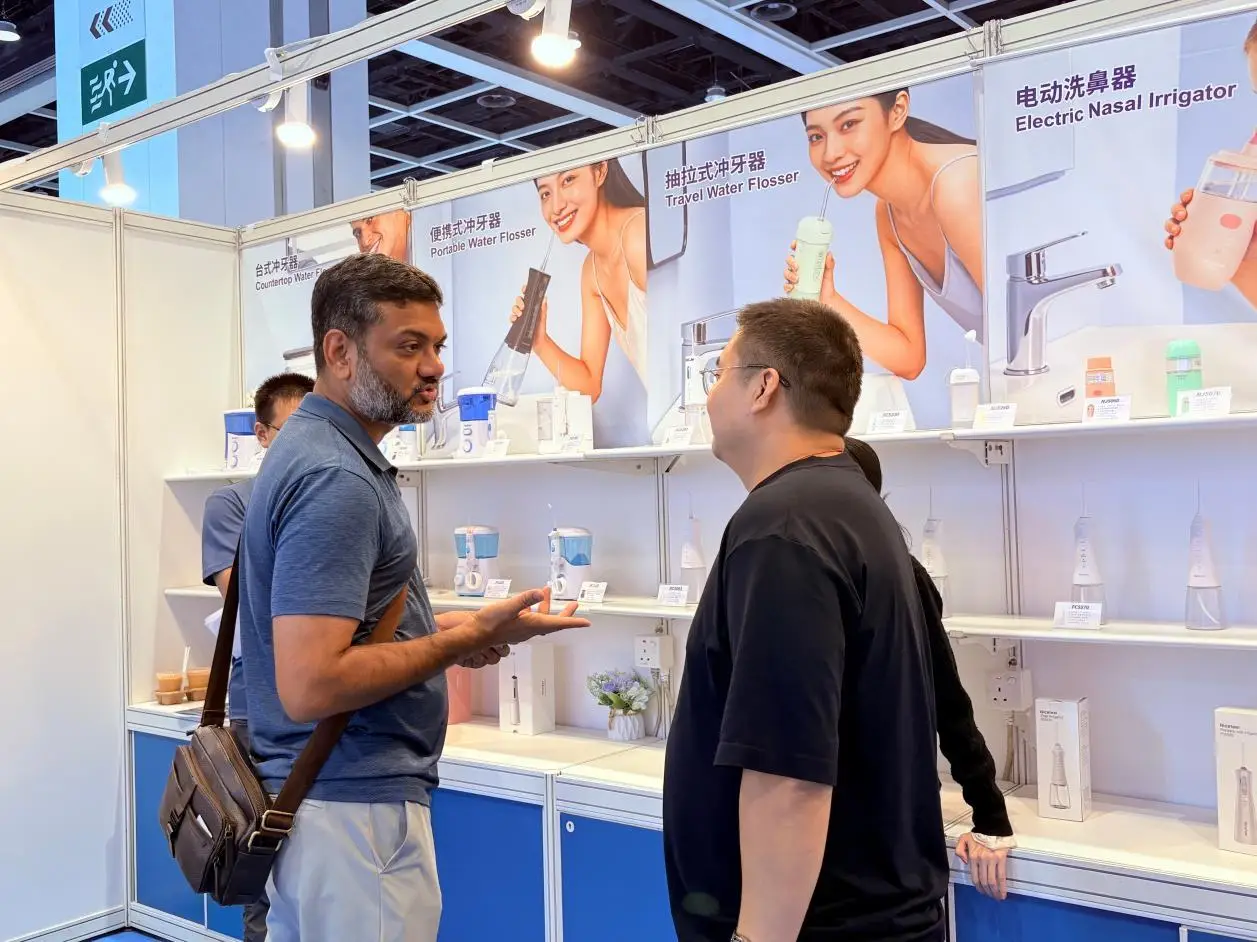
Full-size countertop models are usually designed for fixed locations. They often provide a larger structure and water capacity, making them suitable for users who prefer using oral care devices at home. This type of product can support regular routines without requiring frequent repositioning.
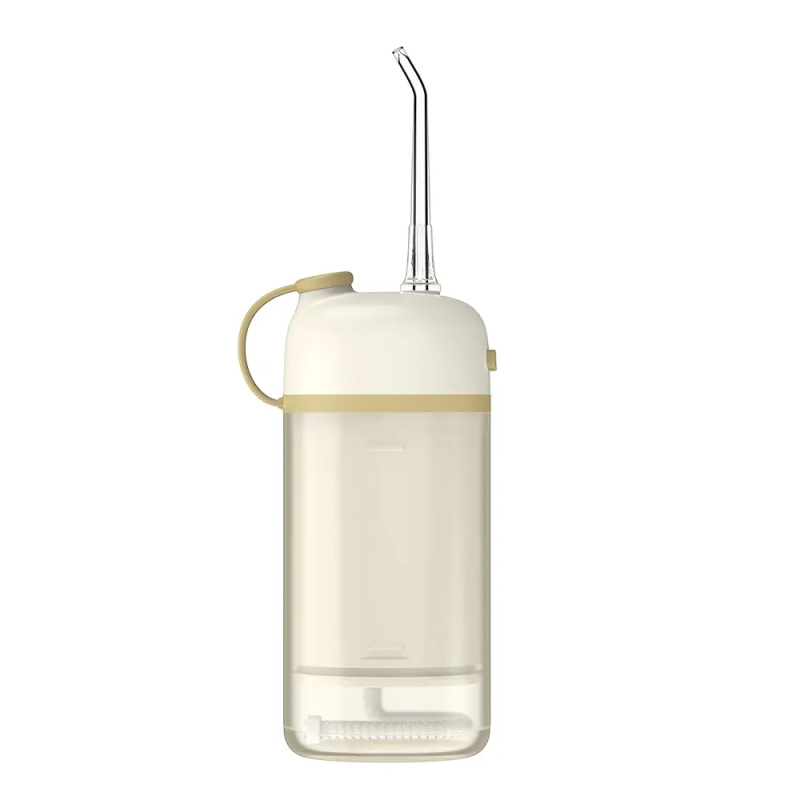
Portable models focus on mobility and storage convenience. A portable dental flosser can be carried more easily and used in different environments, including offices, hotels, and travel situations where space is limited.
The difference between these two models is mainly related to application scenarios. Countertop devices fit users with stable home routines, while portable options provide flexibility for people who often change locations.
How Product Features Influence Daily Experience
Water pressure is an important factor when users compare oral care products. Different pressure settings can affect comfort and cleaning habits. Flow stability, nozzle structure, and operating modes also influence the overall experience during daily use.
Power design creates another difference between product types. Countertop models usually rely on direct power connections, while portable products often use rechargeable batteries to support flexible operation.
We consider these practical factors when developing oral care solutions for different markets. Our product development process focuses on combining user requirements, technical design, and manufacturing experience to support various business needs.
Practical Functions of FC5260 Portable Design
The Portable water flosser-FC5260 is designed for users who need a compact oral care option. It features a 150mL water tank, which provides a balance between product size and daily cleaning needs. The design helps users store and carry the device more conveniently.
The model supports a voltage range of 100-240VAC 50/60Hz and has a power rating of 5W. Its motor speed reaches 1200-1500 times/min, supporting stable operation for regular oral care routines.
The device includes 3-speed modes with a standard cleaning mode. The water pressure range is 20-110Psi, while the water flow reaches 120±35mL/30s. These settings allow users to select different cleaning experiences according to personal preferences.
For portable usage, the product uses a lithium polymer battery with a capacity of 1100mAh. It also features an IPX7 waterproof rating and a noise standard of less than 72 decibels, supporting convenient use in bathroom environments.
Supplier Capability in Oral Care Product Development
When buyers evaluate oral care products, product functions are only one consideration. Manufacturing capability, customization support, quality control, and certification preparation also influence cooperation decisions.
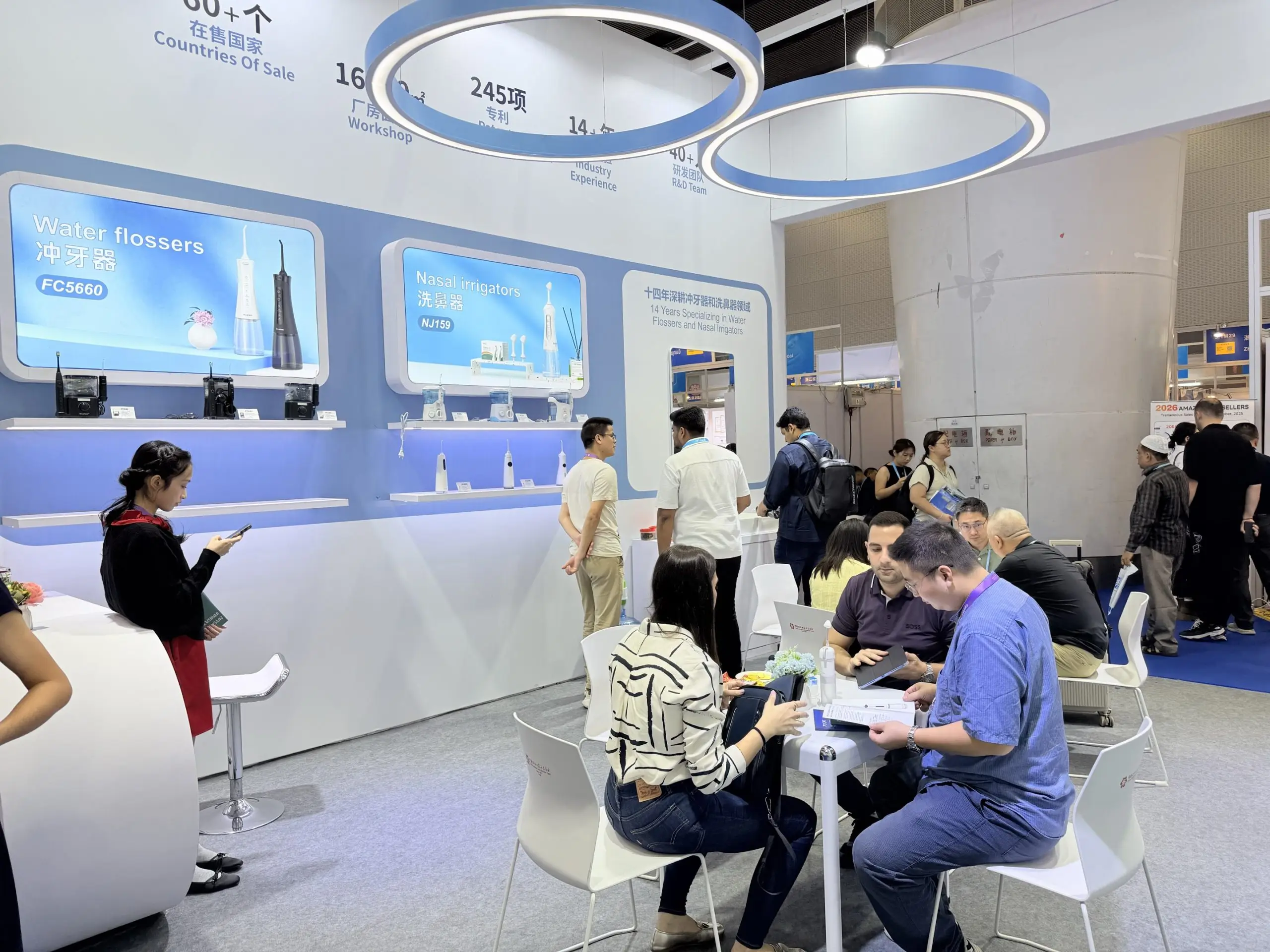
With OEM and ODM experience, Flycat works with partners on product development and manufacturing support. We have accumulated more than 400 patents covering inventions, utility models, designs, and software works. Our technical development includes areas such as quiet motor systems and product structure optimization.
Compliance requirements may vary between regions. We maintain cooperation with organizations including UL, TÜV Rheinland, TÜV SÜD, SGS, and Intertek to support certification needs for different markets.
Product Selection Based on User Requirements
A countertop model may suit users who prefer a stable home setup. Larger water capacity and fixed placement can match families or individuals who use the device in one location regularly.
A portable flosser may better match users who value mobility and simple storage. Compact products can support travel, smaller living spaces, and flexible daily schedules.
For distributors and procurement teams, understanding these differences helps with product positioning. Reviewing target users, sales channels, and application environments can support more suitable product planning.
Oral Care Solutions for Different Market Needs
Choosing between portable and countertop models depends on user habits, application environments, and expected functions. Both product types have practical value when matched with suitable usage scenarios. The right choice often comes from understanding how customers use oral care devices in daily life and what features they consider important.
We continue to improve oral care solutions by combining market insights, product development, and production experience. Through flexible OEM and ODM support, we help partners explore products that fit different customer groups.
For businesses reviewing portable oral care products, understanding details such as water capacity, pressure control, battery design, and waterproof performance can support clearer decisions. A practical comparison between product forms allows brands and distributors to plan solutions that meet changing market requirements. It also helps them identify suitable product directions for future market expansion.