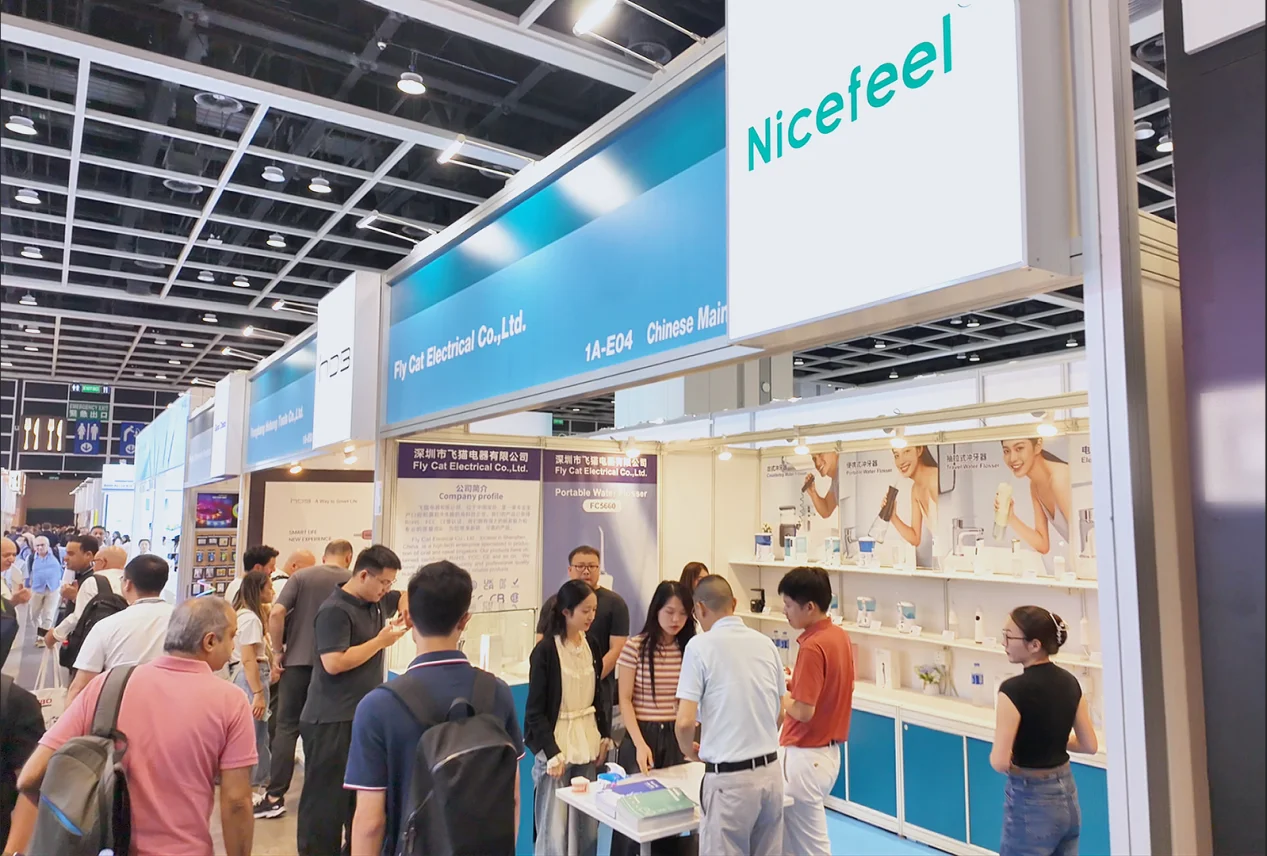
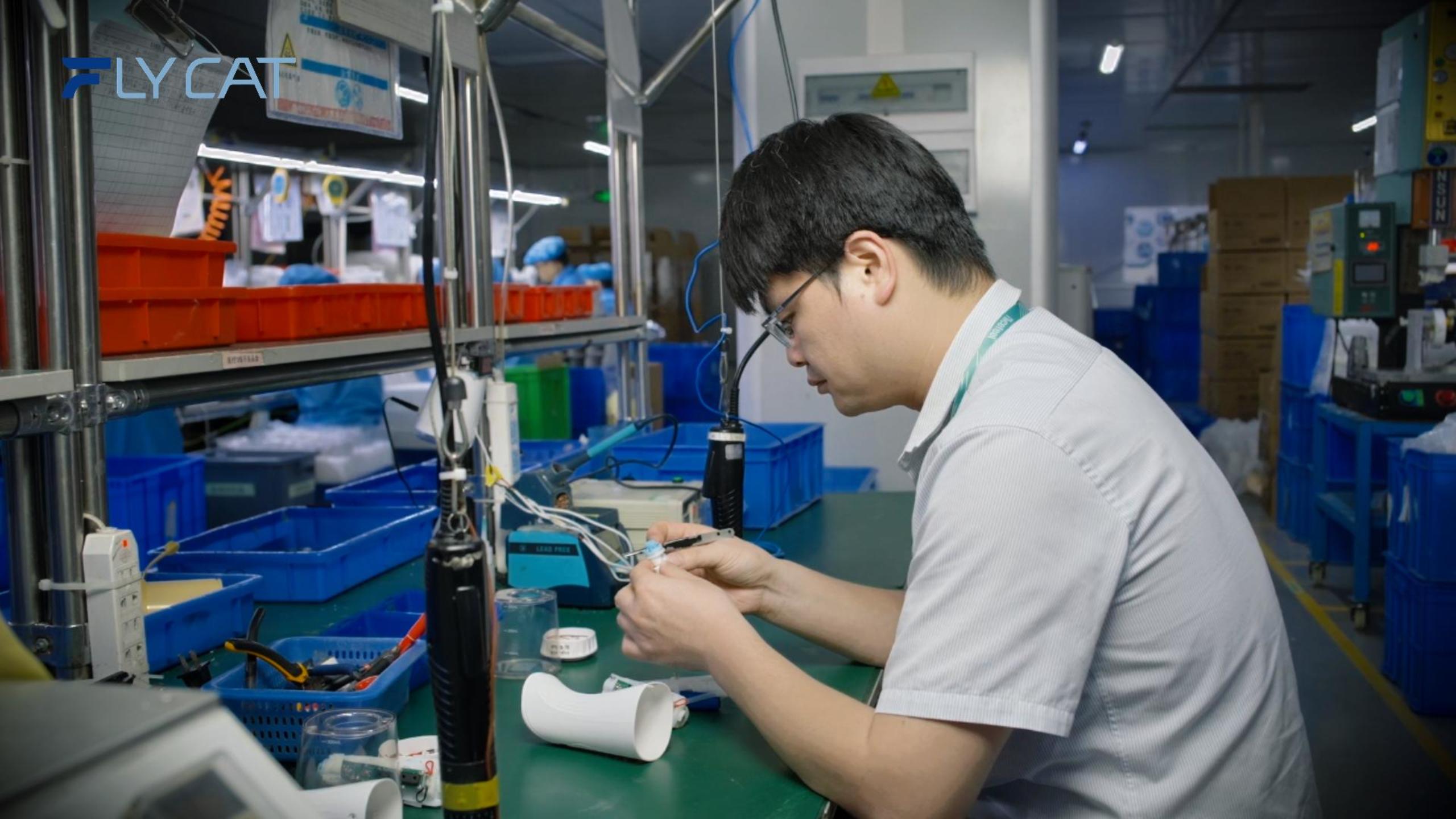
Oral care products are developing toward more convenient designs, flexible functions, and personalized user experiences. For brands and distributors, choosing suitable products requires attention to product structure, user needs, market positioning, and customization possibilities.
When we explore oral care solutions, we focus on how product design connects with daily habits. Understanding the functions and manufacturing process of water flossers can help buyers evaluate products more effectively and plan their future product lines. Beyond basic cleaning performance, factors such as product portability, operation comfort, maintenance requirements, and long-term usage scenarios also influence purchasing decisions. A clear understanding of these details allows businesses to communicate with manufacturers more efficiently and develop products that better match market expectations.
Key Factors to Review Before Selecting a Model
Begin with the usage scenario. Portable models are designed for users who value storage and mobility, while countertop models are generally intended for a fixed home setup. Tank capacity, pressure range, operating modes, battery performance, charging method, nozzle options, and waterproof ratings should be reviewed together rather than individually.
Internal structure also matters. The water intake path, sealing design, pump system, and nozzle connection can affect operation and maintenance. Buyers should ask what testing is conducted on the specific model and review the available product specifications instead of relying on broad claims about performance. When reviewing water flosser oral products, buyers should consider internal design, material selection, and production quality together.
Customization requirements may also vary according to sales channels and customer groups. Some brands focus on compact products, while others prefer additional functions, unique appearance designs, or customized packaging solutions.
Customization for Different Markets
Customization can include color, surface finish, logo placement, packaging, accessories, or selected product functions. The available options depend on the existing platform, engineering requirements, order quantity, and schedule. Before development begins, confirm which details are standard, which require modification, and whether any changes affect testing or compliance.
Flycat provides OEM and ODM support for oral care brands and distributors, with project work covering product discussions, design, sample development, and production preparation. Early alignment on target users, market positioning, and packaging can help reduce unnecessary revisions.
Reviewing Portable Oral Irrigator Design Features
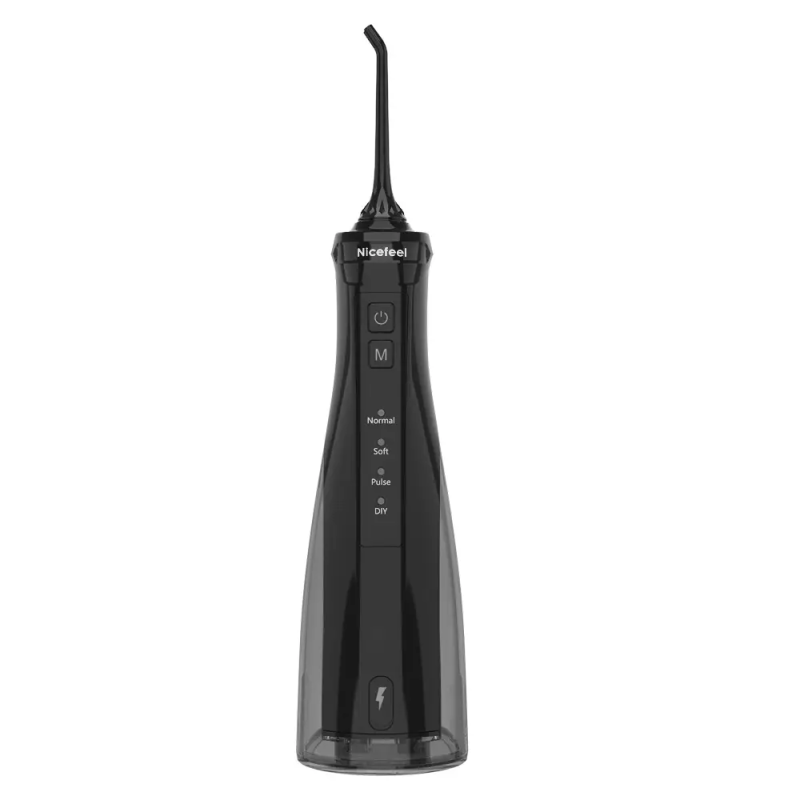
Portable oral irrigators are designed around convenience and flexible usage. For buyers, details such as water tank capacity, pressure range, charging method, and operating modes can influence product selection and customer feedback.
The FC5610 is a portable model described in the source material with a 280 mL encircling water tank, a tube-free water intake system, four cleaning modes, a 20–120 PSI pressure range, and a 1,500 mAh rechargeable battery. These specifications can help buyers assess whether the model fits their planned product range. Any final specification should be checked against the latest approved product sheet.
Quality, Compliance, and Supply Planning
A product specification is only one part of the decision. Buyers should also understand how materials, assembly, functional performance, and final products are inspected. Ask for relevant quality records and clarify how sample approval and production changes are controlled.
For international sales, identify the requirements of each destination market and verify the actual documentation for the product being purchased. Flycat works with organizations including UL, TÜV Rheinland, TÜV SÜD, SGS, and Intertek to support relevant testing and compliance processes. The applicable requirements and product status should be confirmed for each project.
Production planning should cover order quantity, packaging readiness, sample approval, testing needs, and shipment timing. The source material states an average delivery period of around 30–35 days for suitable projects; buyers should confirm the lead time for their own order.
The most suitable water flosser is not necessarily the model with the longest feature list. It is the one whose design, functions, cost structure, customization options, and supply plan align with the target customer and sales channel. A clear project brief makes supplier discussions more efficient and supports better decisions.
Building Better Oral Care Solutions Through Cooperation
Successful oral care projects require cooperation between product planning, manufacturing, and market understanding. From function selection to customization details, every stage affects the final product experience.
With experience in oral care manufacturing, we support brands and distributors in developing products based on different market needs. Flycat continues to focus on OEM and ODM cooperation, helping partners manage product development with practical manufacturing support.
For companies evaluating water flosser oral solutions, understanding product features, customization options, and supplier capabilities can make project decisions more efficient. A clear development process allows businesses to create products that match user expectations while maintaining stable production management.