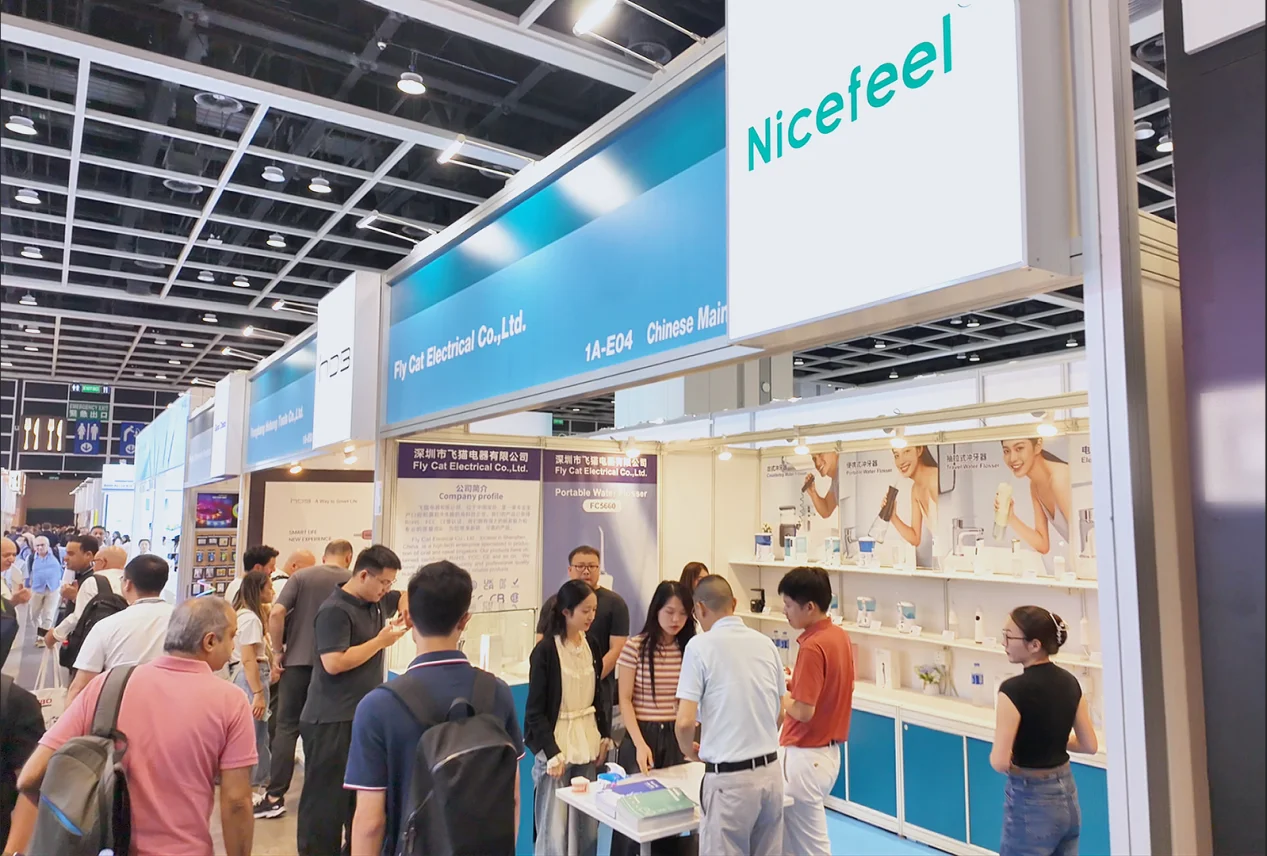
Oral care devices are becoming more diverse as users look for products that fit different lifestyles. For buyers, distributors, and brands, understanding the differences between compact and full-size water flossers helps with product selection and market planning.
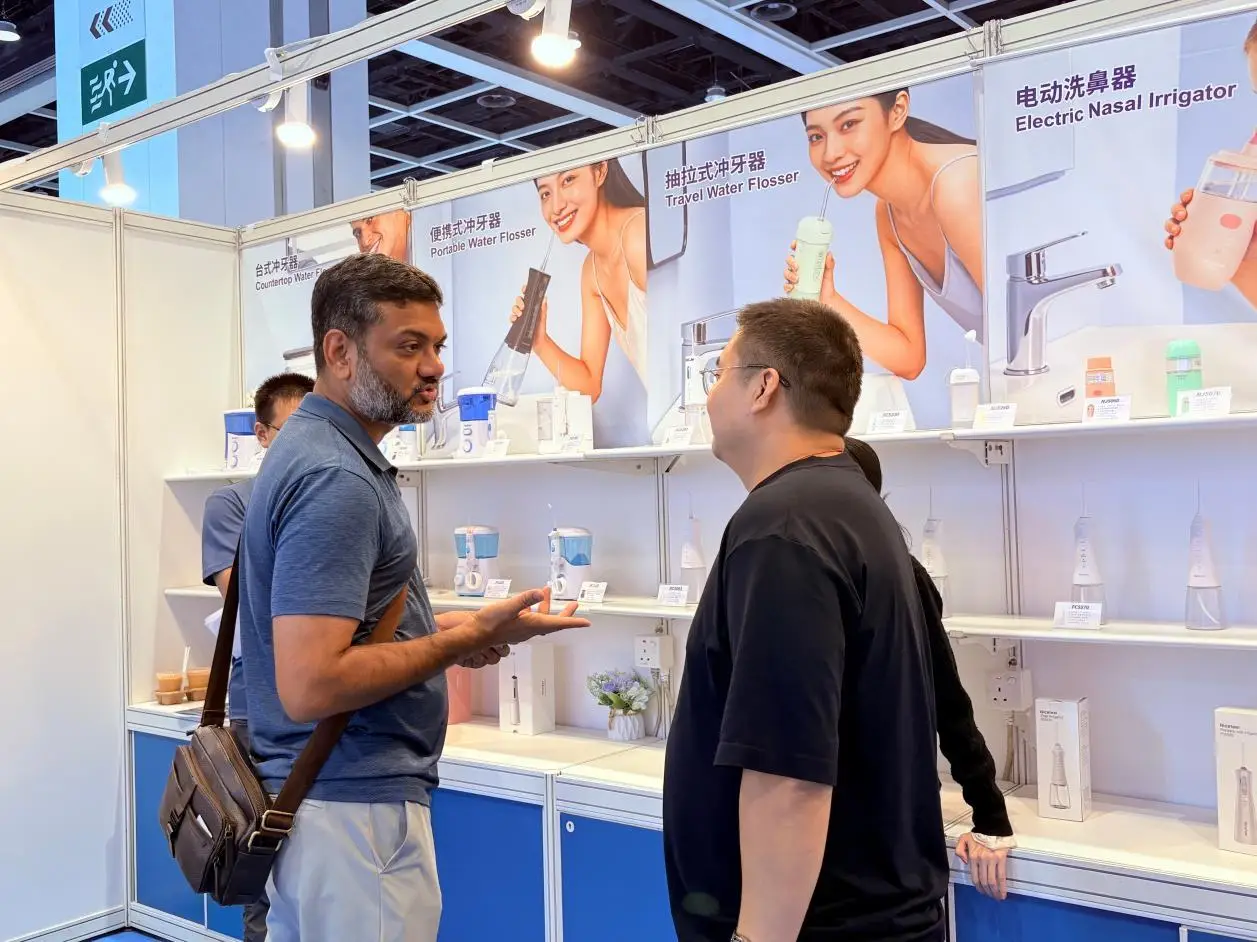
A portable dental flosser focuses on mobility and convenient storage, while a larger model usually provides more capacity for home use. A travel water flosser offers flexibility for users who need oral care support during trips, but its compact design also requires careful consideration of functions and specifications.
Space and Daily Use Differences
The biggest difference between compact and full-size models is the product structure. Full-size water flossers usually have larger water tanks and a fixed design, making them suitable for bathrooms where users prefer a stable setup.
Compact models are designed for situations where space and portability matter. They can be stored easily in luggage, drawers, or smaller bathrooms. This makes them practical for business trips, vacations, and daily movement between locations.
Water tank capacity is an important factor when comparing different products. A larger tank can reduce the need for refilling, while a smaller tank helps keep the device lightweight and easier to carry.
For business buyers, understanding these differences helps define product positioning. Different customer groups may have different expectations, so product selection should consider usage habits, target markets, and sales channels.
Understanding Performance Differences
Size is only one part of product evaluation. Buyers also review water pressure, battery design, operating modes, noise levels, and waterproof performance when comparing oral care devices.
Water pressure adjustment can influence cleaning comfort. Different users may prefer different intensity levels, so multiple modes can provide more flexible experiences. Pulse functions and stable water flow are also important elements in product design.
Battery performance affects how portable products are used. Rechargeable designs reduce dependence on fixed power sources and make products easier to use in different environments.
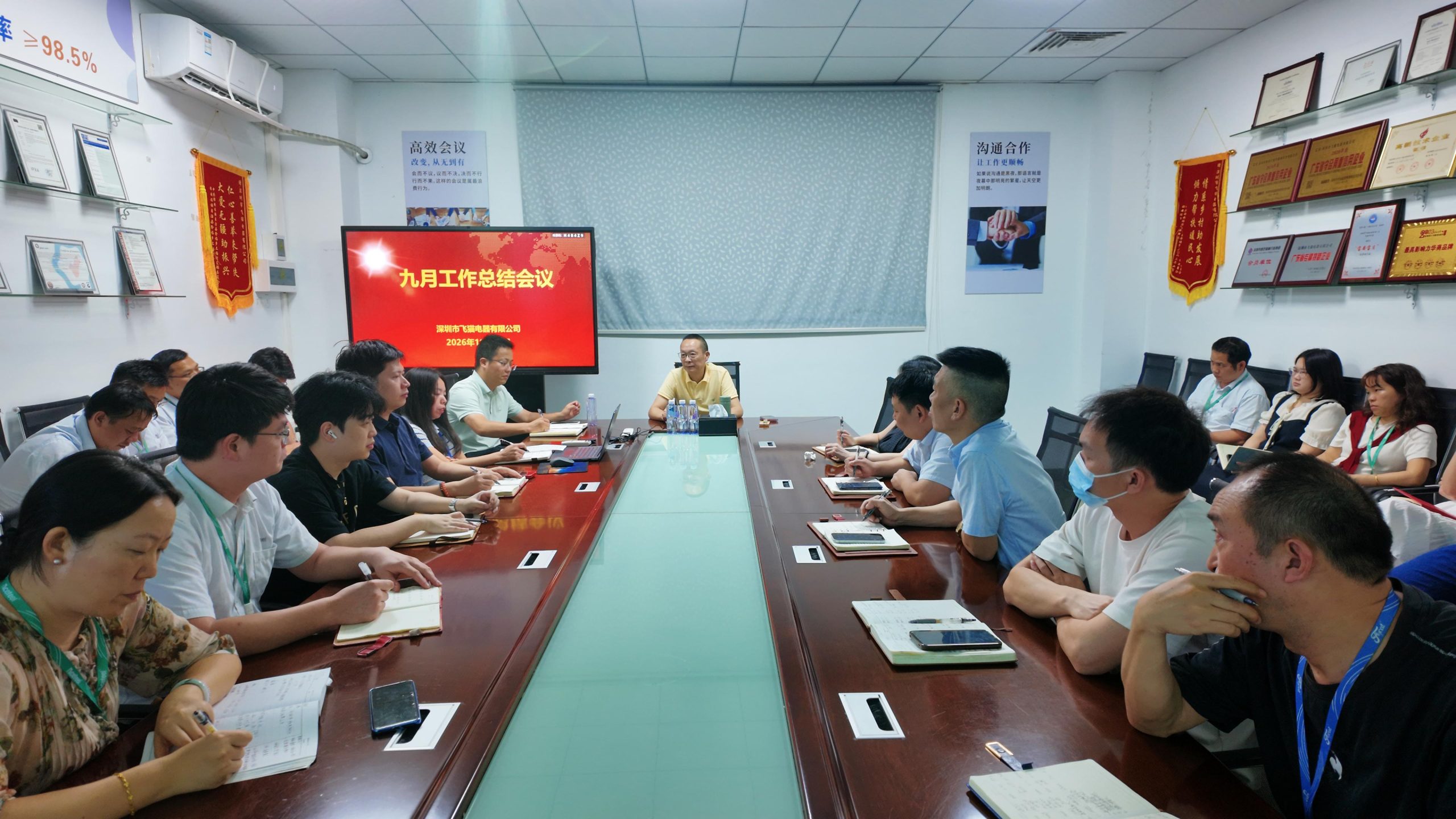
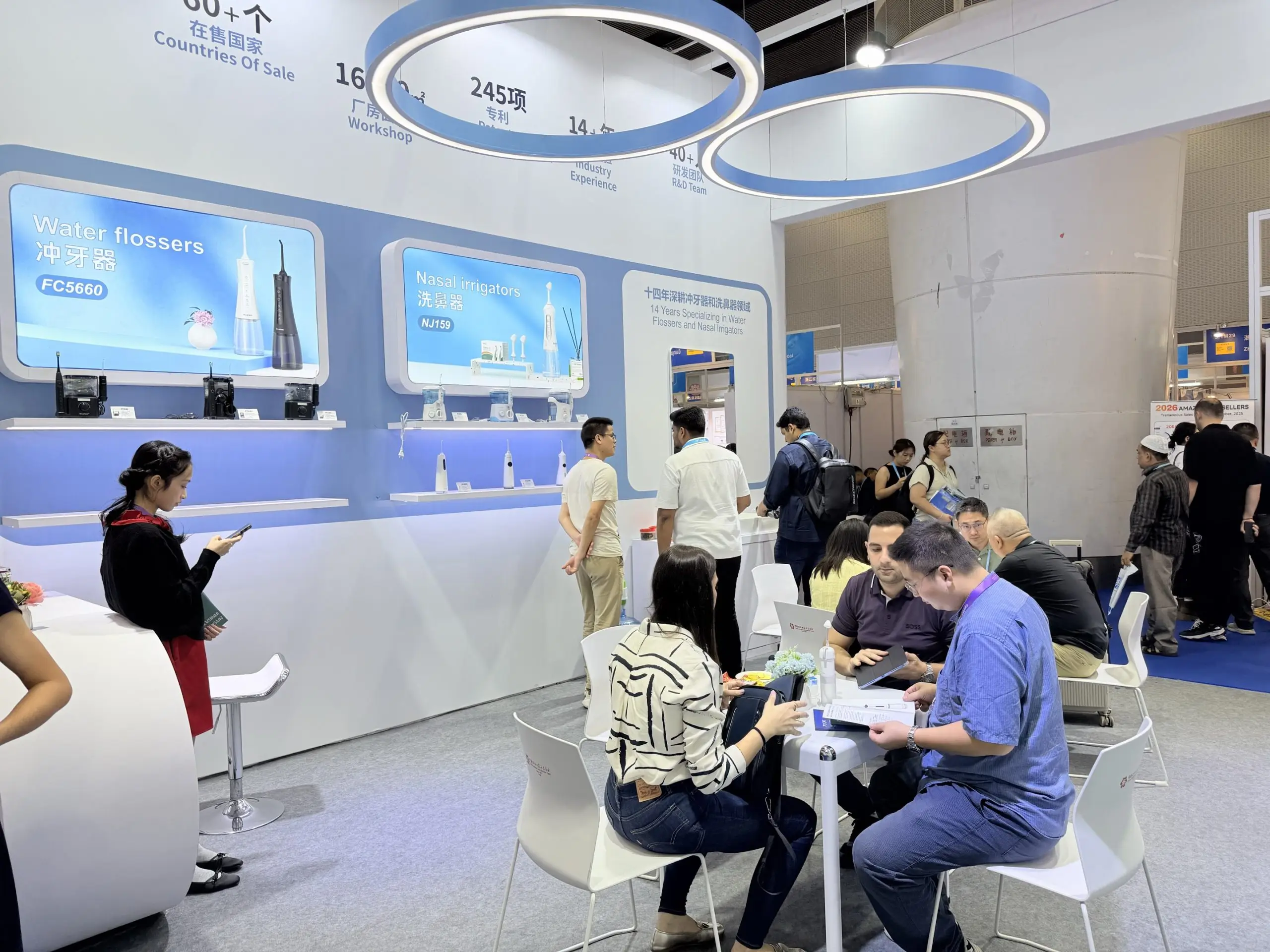
As an oral care manufacturer, Flycat develops OEM and ODM solutions for water flossers and related products. We focus on product development, manufacturing coordination, and technical improvement to support different requirements from brands and distributors.
FC5130 Features for Mobile Use
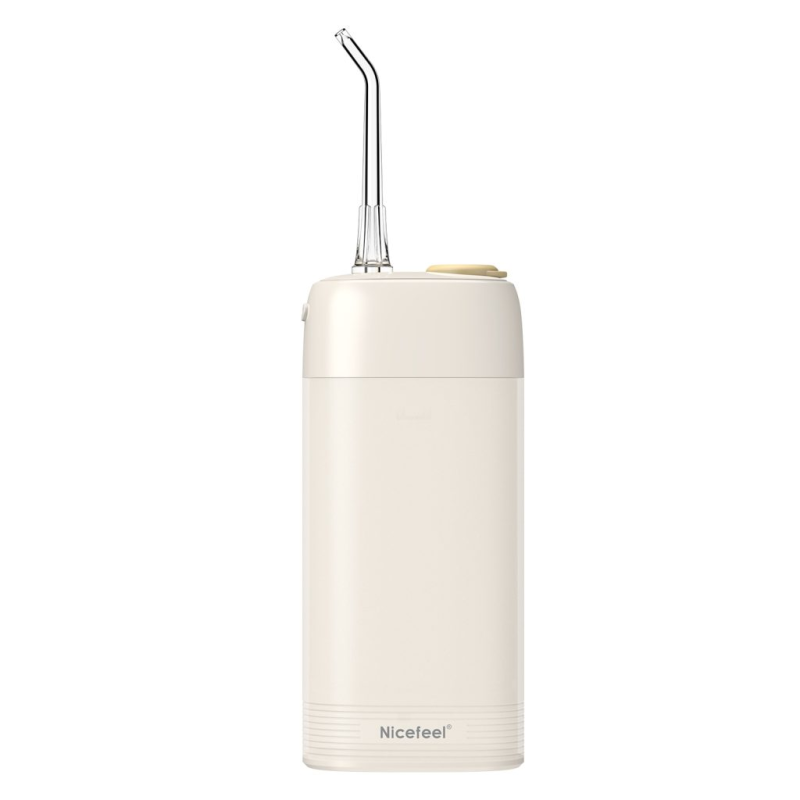
Specific specifications help buyers understand how a compact model performs in daily scenarios. The Travel water flosser-FC5130 is designed with a 180mL water tank and a 1500mAh lithium battery, balancing water capacity and portability.
The product supports a voltage range of 100-240VAC 50/60Hz and uses a DC5V, 1A adapter. With 5W power and a motor speed of 1200-1500 times/min, it is developed for regular oral care use in different environments.
The FC5130 provides Standard, Soft, and Pulse modes. Its water pressure range is 60-120PSI, with a water flow of 220mL/min. These options allow users to select suitable settings based on personal preferences.
Other details also influence daily experience. The product has a noise standard of less than 72 decibels and an IPX7 waterproof rating, which supports convenient cleaning and routine bathroom use.
Business Factors Beyond Product Size
For distributors and brand owners, product selection involves more than comparing appearance and dimensions. Manufacturing capability, customization support, quality management, and compliance preparation also influence supplier decisions.
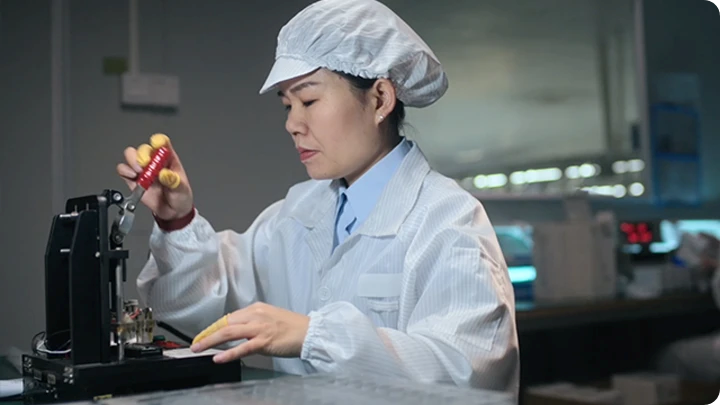
We provide support throughout different development stages, including product design, sampling, and production coordination. Our technical team works on areas such as quiet motor systems, nozzle structures, and product optimization according to project requirements.
Flycat has built a portfolio of more than 400 granted patents and pending applications, spanning inventions, utility models, industrial designs, and software copyrights. We also maintain cooperation with certification organizations including UL, TÜV Rheinland, TÜV SÜD, SGS, and Intertek to support different market requirements.
Production planning is another consideration for business customers. Our average delivery period is around 30 to 35 days, while certification preparation and testing processes are arranged according to project needs.
Choosing Based on User Scenarios
The choice between compact and full-size models depends on where and how users plan to use the product. Home users may prefer larger water tanks and fixed placement, while frequent travelers often consider size, charging convenience, and storage requirements.
A travel water flosser can meet the needs of customers who value flexibility and easy carrying. For brands, this category can serve users who want a balance between portability and daily cleaning functions.
Full-size models still have their own application areas. Larger structures may be suitable for households or users who prefer longer operation without frequent refilling.
When reviewing a portable dental flosser, buyers should look beyond the external design. Battery capacity, pressure control, waterproof performance, and maintenance requirements all affect long-term user experience.
A Practical View of Portable Oral Care
Choosing between travel and full-size water flossers requires a clear understanding of different usage needs. Compact models focus on mobility, while larger devices often provide more capacity for fixed locations. Both options have their own application value.
We continue to work with partners on oral care product development by combining manufacturing experience with practical market needs. By reviewing design, performance, and production factors together, businesses can create products that better match customer expectations.