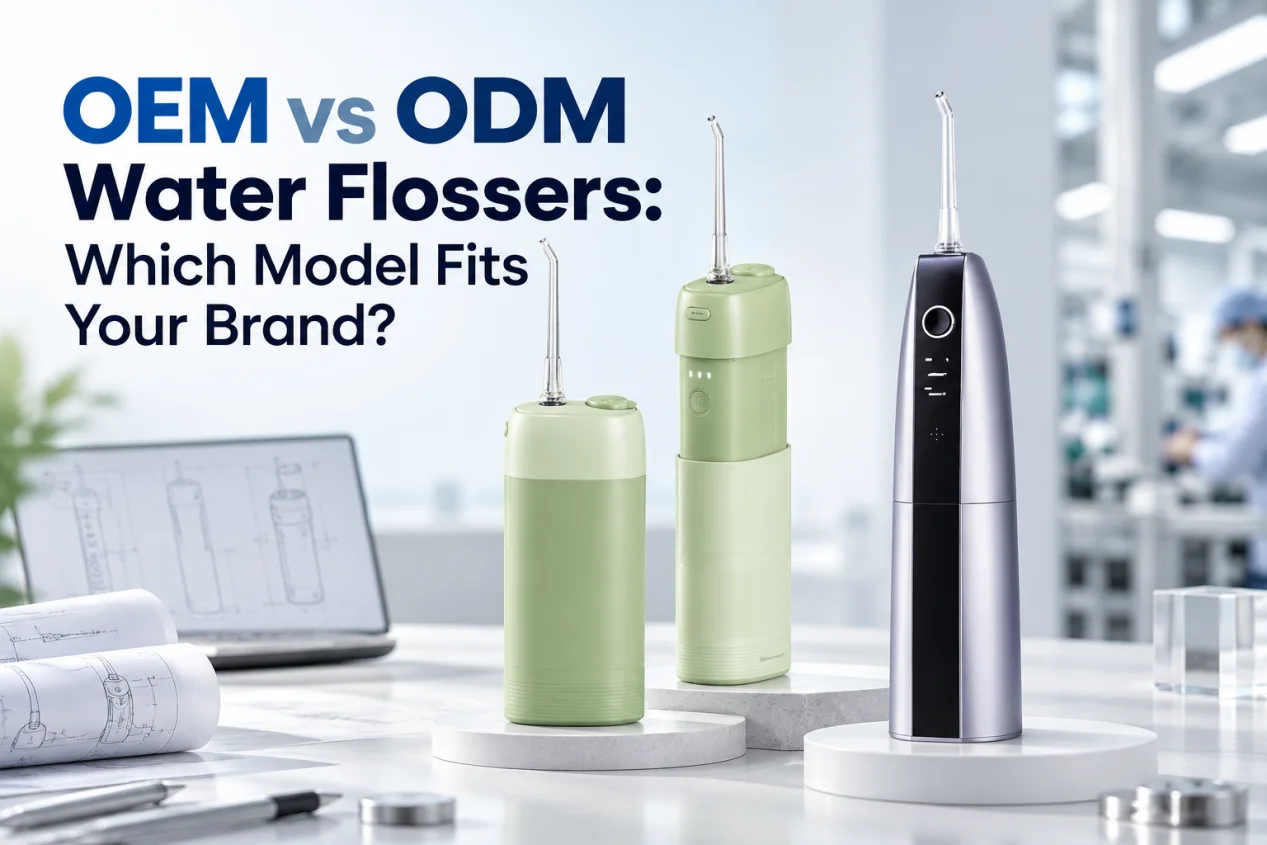
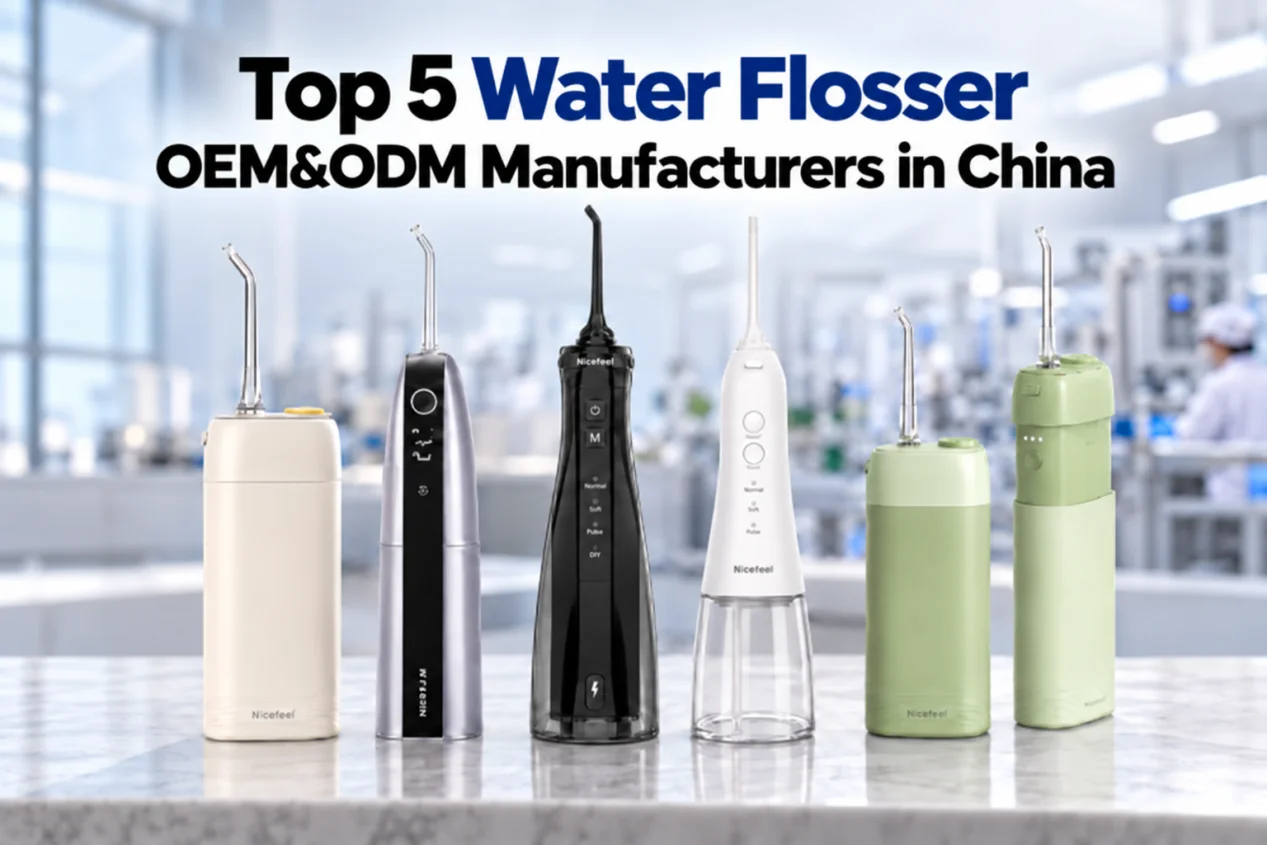
Choosing between OEM and ODM manufacturing is an important decision for oral care brands developing water flossers. As consumers seek convenient water flossers for daily oral hygiene at home and while traveling, brands need products that balance performance, usability, and market positioning. Understanding how these two manufacturing models differ can help businesses control development costs, manage timelines, and build competitive product lines.
What Is OEM Water Flosser Manufacturing?
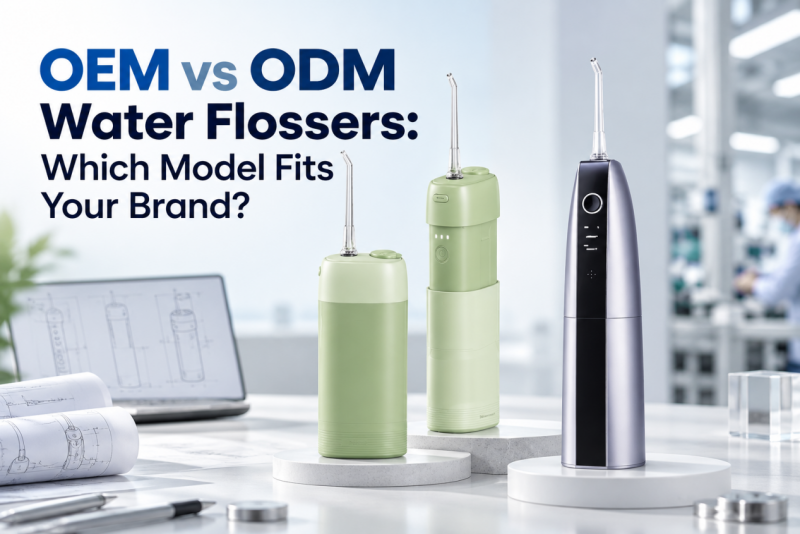
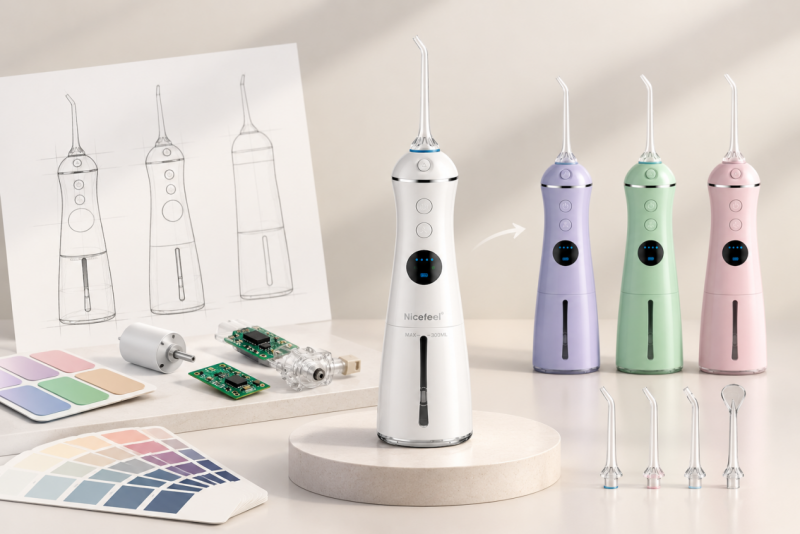
OEM (Original Equipment Manufacturing) is a production model in which a manufacturer produces water flossers according to a brand’s design, specifications, and technical requirements. It gives brands greater involvement in product development and control over the final design.
A typical OEM development process includes:
- Product Design: Define the product appearance, structure, functions, and technical specifications.
- Prototyping: Develop samples to evaluate ergonomics, performance, and usability.
- Testing and Validation: Verify water pressure, pump performance, waterproofing, and electrical safety.
- Tooling and Production: Approve molds, conduct pilot production, and prepare for mass manufacturing.
What Is ODM Water Flosser Manufacturing?
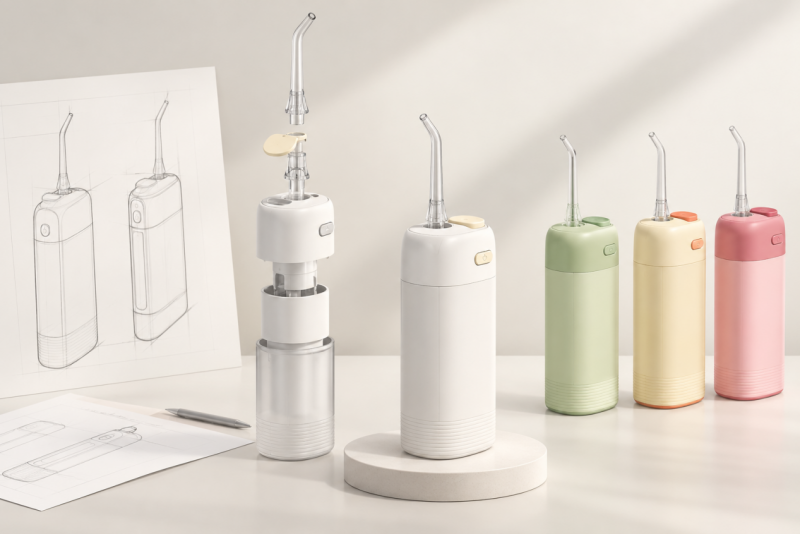
ODM (Original Design Manufacturing) allows brands to select an existing water flosser design or product developed by a manufacturer and customize it for their own markets. Unlike OEM manufacturing, ODM reduces the need to develop an entirely new product from the beginning.
A typical ODM process involves:
- Model Selection: Choose an existing water flosser that matches the brand’s target customers.
- Customization Planning: Confirm supported changes to colors, surface finishes, functions, logos, and packaging.
- Sample Approval: Evaluate customized samples and confirm product specifications.
- Mass Production: Begin manufacturing after completing the necessary testing and approvals.
OEM vs ODM Water Flossers: What Are the Key Differences?
The main difference between OEM and ODM water flossers is the degree of product development and design control. OEM generally supports more extensive customization, while ODM builds on existing designs to simplify development.
Comparison Factor | OEM Manufacturing | ODM Manufacturing |
Product Design & Control | Brand-defined design and specifications | Manufacturer-developed product |
Customization Flexibility | Greater flexibility for structural and functional changes | Changes limited by platform feasibility |
Development & Tooling Costs | Usually higher initial investment | Often lower when existing tooling is retained |
Production Lead Time | Longer overall development cycle | Potentially faster product launch |
Minimum Order Quantity (MOQ) | Project-dependent; may reflect custom components | Model-dependent; not necessarily lower |
Product Differentiation | Greater potential for exclusive designs | Differentiation through selected customization |
OEM manufacturing offers greater control over product design, making it suitable for brands developing differentiated water flosser products. However, it typically requires higher initial investment and longer development timelines.
ODM manufacturing allows brands to use existing product designs and tooling, potentially reducing initial investment and shortening development timelines. However, customization options and design ownership depend on the manufacturer’s platform and project agreements.
However, neither model guarantees a specific MOQ, cost, or delivery schedule. These depend on customization complexity, component availability, order quantity, and testing requirements.
How to Choose Between OEM and ODM Water Flossers for Your Brand?
Choosing the right manufacturing model requires balancing product positioning, customization needs, investment, and launch strategy.
1. Defining Your Brand Positioning
Match your choice to your target market segment. Premium brands developing exclusive oral care technologies benefit from OEM development. Brands targeting fast-moving retail segments, entry-level users, or a compact water flosser travel line can successfully leverage existing ODM platforms.
2. Evaluating Product Customization Needs
Assess your technical requirements carefully. If your device requires custom internal fluid pumps or proprietary nozzle attachments, choose OEM. If an existing model already meets your requirements for flosser power, water pressure settings, and cleaning modes, ODM customization may be a more practical option.
3. Assessing Development Budget
Calculate available capital for development, tooling, and certifications. OEM development requires upfront budgets for industrial design, plastic injection molds, circuit board engineering, and regulatory filings. ODM projects can reduce initial tooling expenses by using existing product platforms, allowing brands to allocate more resources to marketing and channel expansion.
4. Considering Time-to-Market Requirements
Align manufacturing schedules with commercial launch targets. OEM projects require extended lead times for testing and mold adjustments. ODM projects fast-track product delivery, allowing brands to respond quickly to seasonal retail demands and consumer trends.
5. Planning for Long-Term Product Development
Consider your long-term growth trajectory. Startup brands often launch using ODM models to generate initial revenue and validate customer feedback. As sales scale, companies can reinvest profits into proprietary OEM engineering for next-generation product releases.
How Does Flycat Support OEM and ODM Water Flosser Manufacturing?
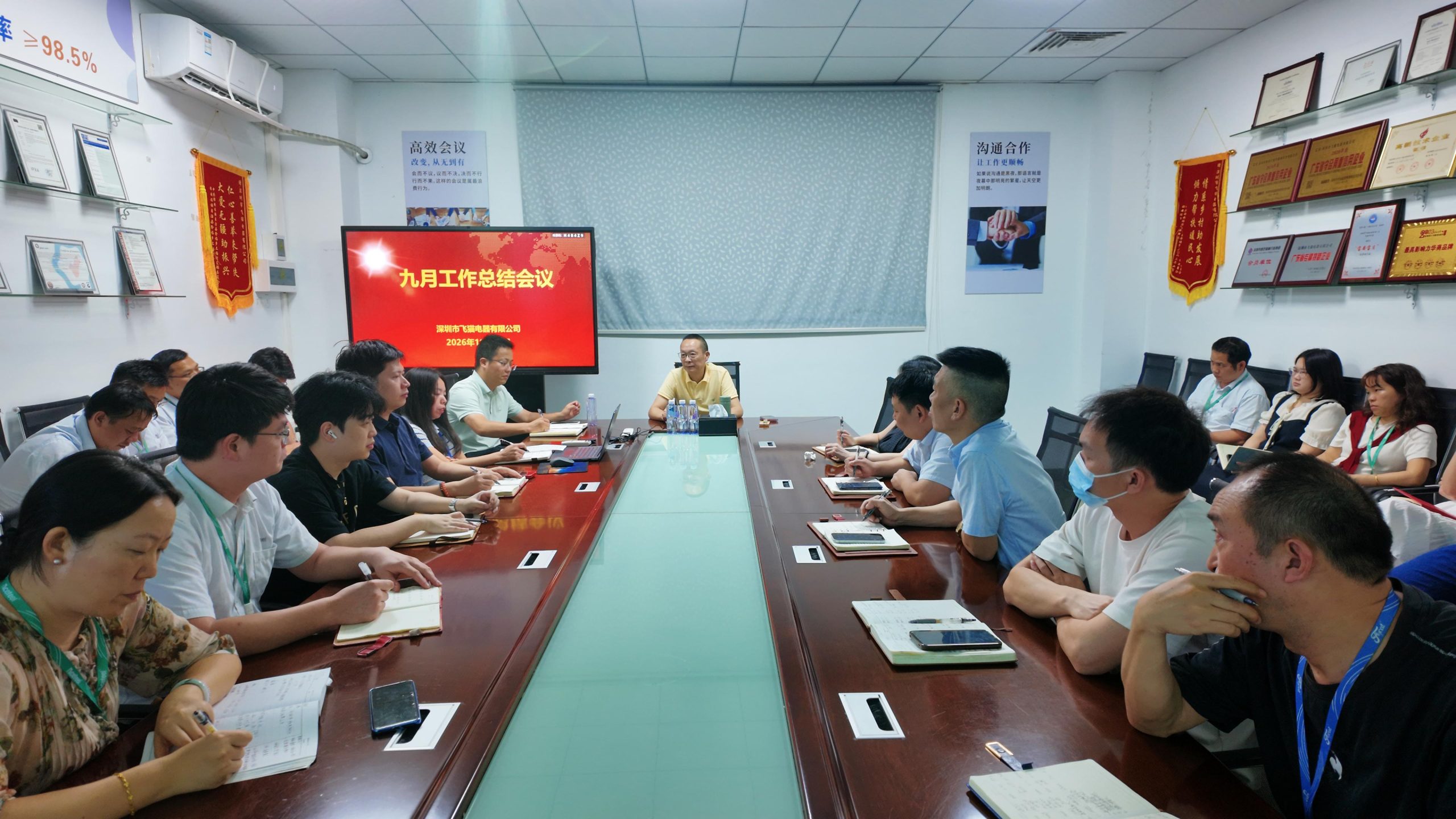
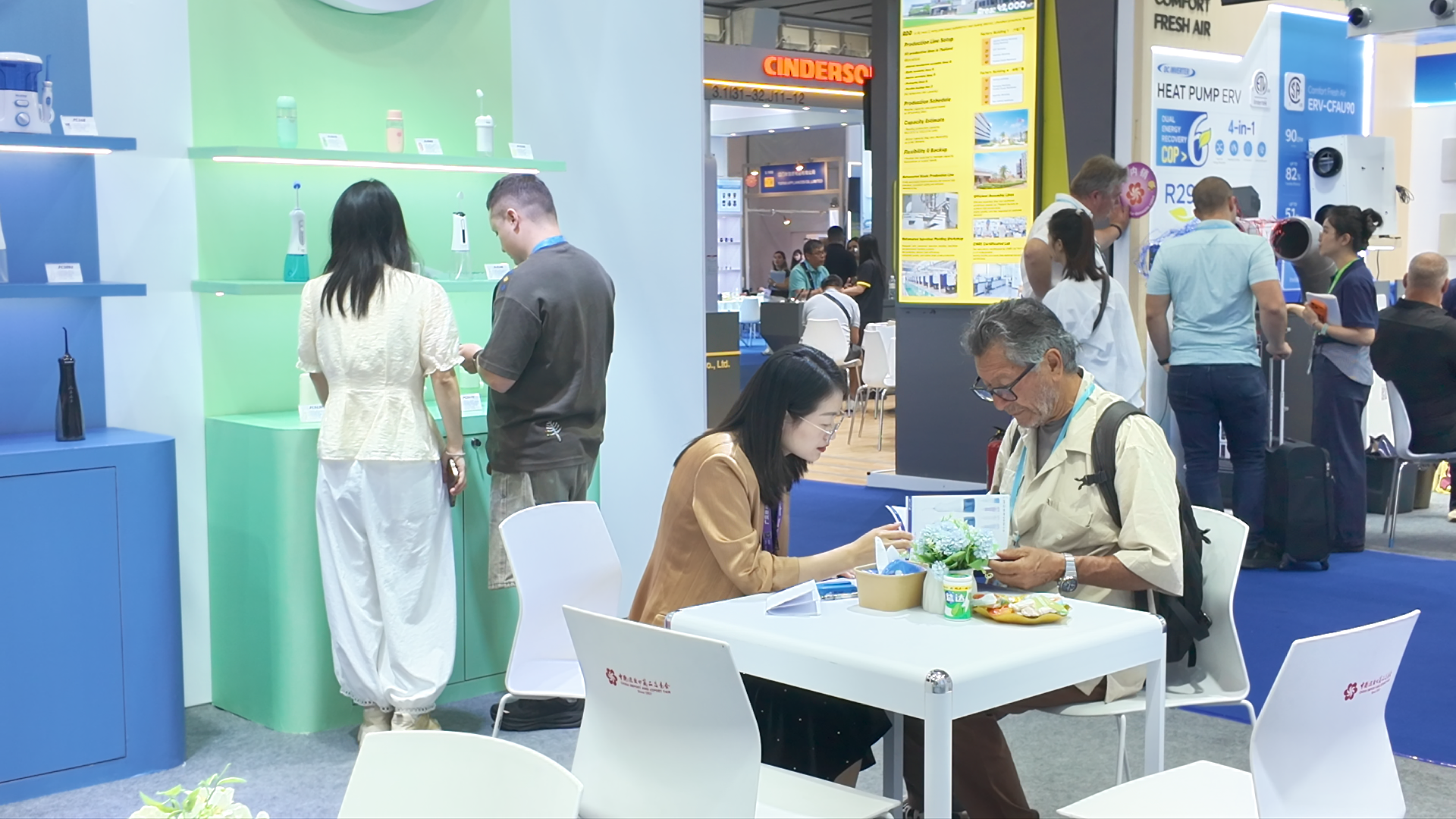
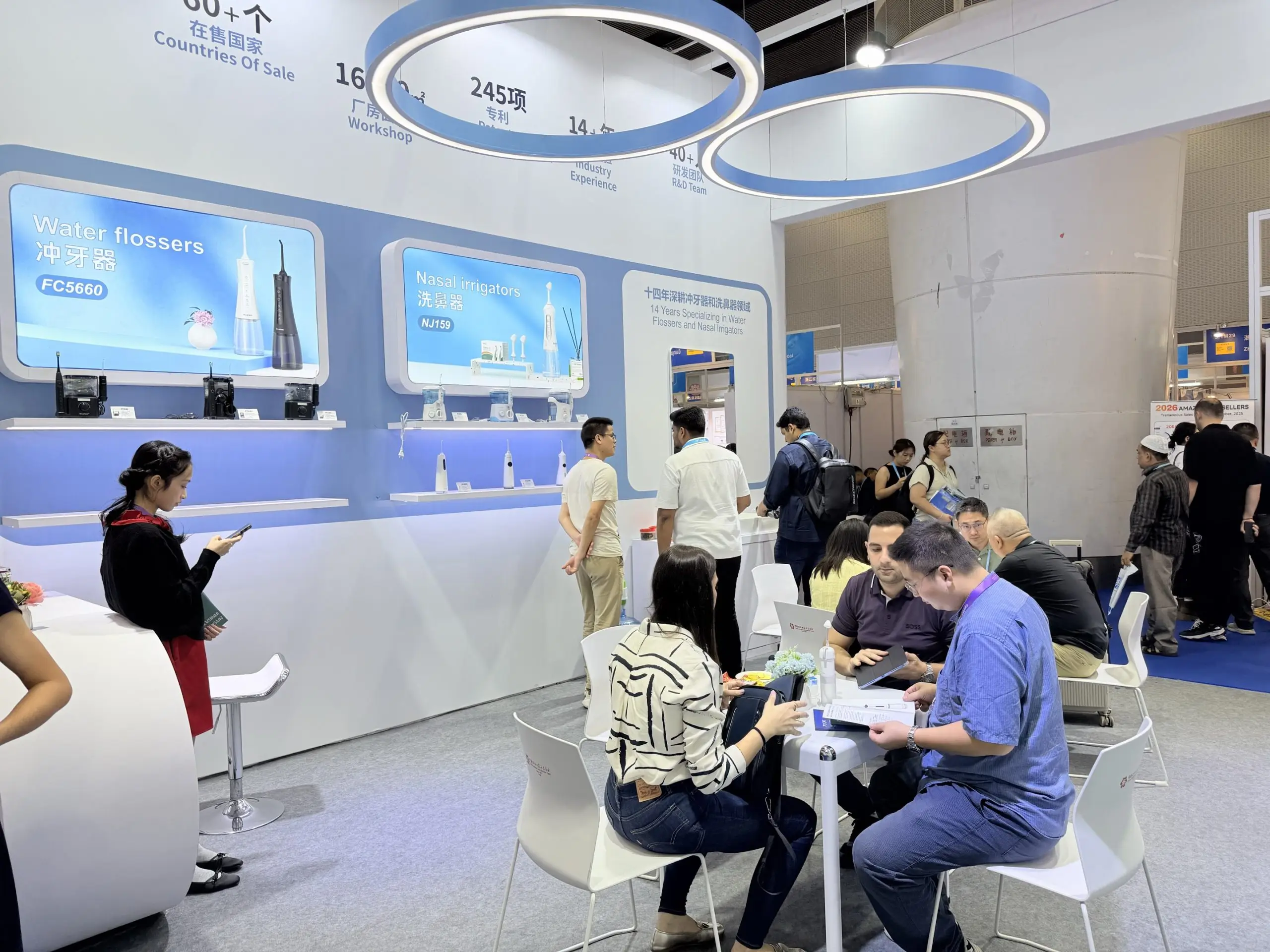
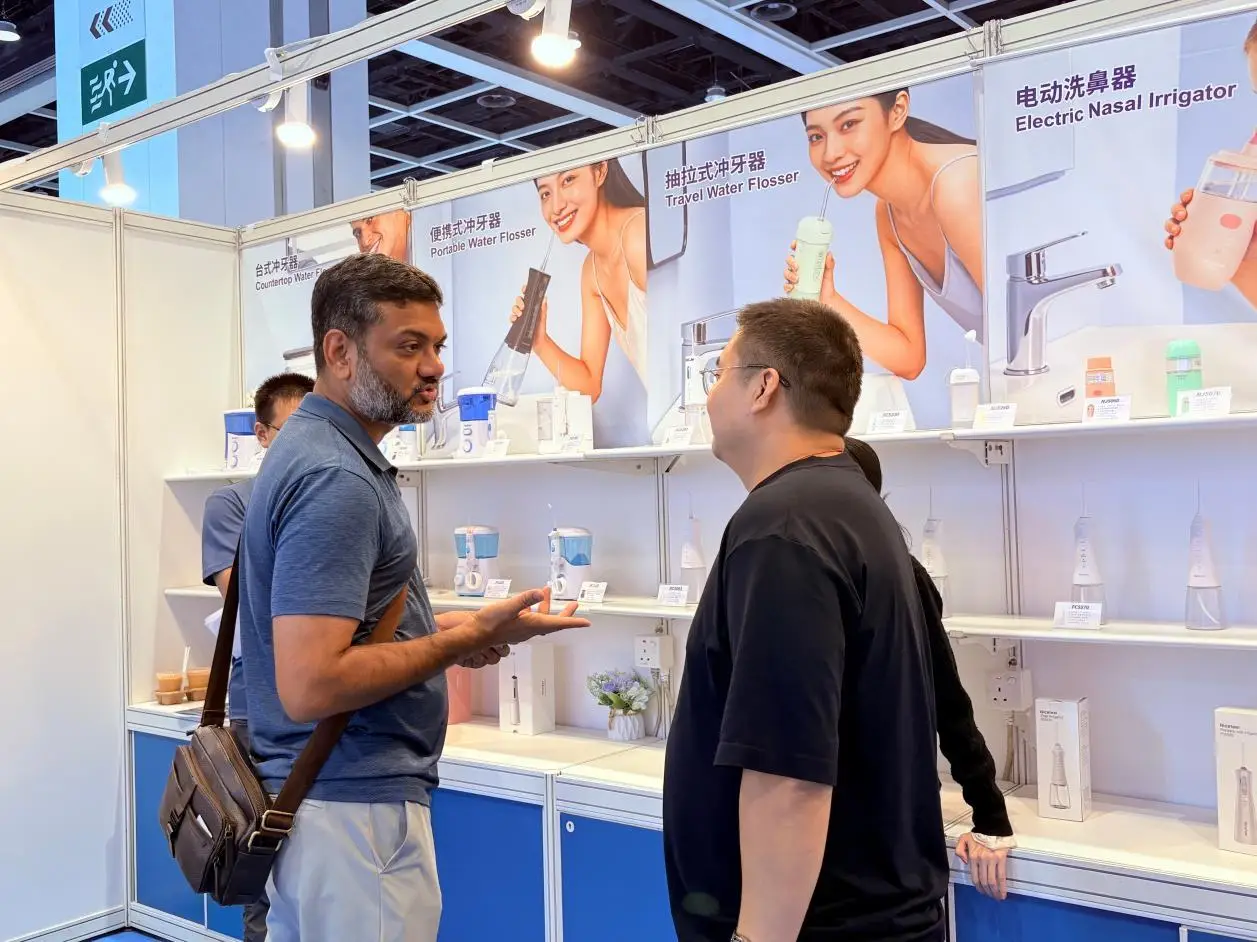
Flycat is an oral care manufacturer providing OEM and ODM solutions for global brands, importers, and distributors. Its capabilities cover product development, engineering, customization, manufacturing, and quality control. Flycat supports both new product development and customization based on existing water flosser platforms.
Its manufacturing capabilities include:
- In-House R&D: With more than 40 R&D professionals, our team supports industrial design, structural engineering, electronic development, prototyping, and product validation.
- Flexible Customization: We offer customization options covering product appearance, colors, surface finishes, functions, logos, packaging, and accessories.
- Scalable Manufacturing: Our 15,000 m² manufacturing facility operates 30 production lines, with a daily production capacity of up to 30,000 units to support OEM/ODM orders of different scales.
- Quality Management: Flycat maintains ISO 9001 and ISO 13485 certifications, with quality control processes covering prototype evaluation, performance testing, structural verification, and production inspection.
- Proven ODM Project Experience: Our ODM collaboration with Spanish brand Cecotec involved customizing the FC1596 water flosser through ergonomic improvements, cost optimization, and reliability testing, demonstrating our ability to adapt existing platforms to specific market requirements.
These capabilities allow Flycat to support projects ranging from existing platform customization to more extensive product development. Flycat offers different water flosser designs for brands targeting portability, convenience, and more advanced operating features:
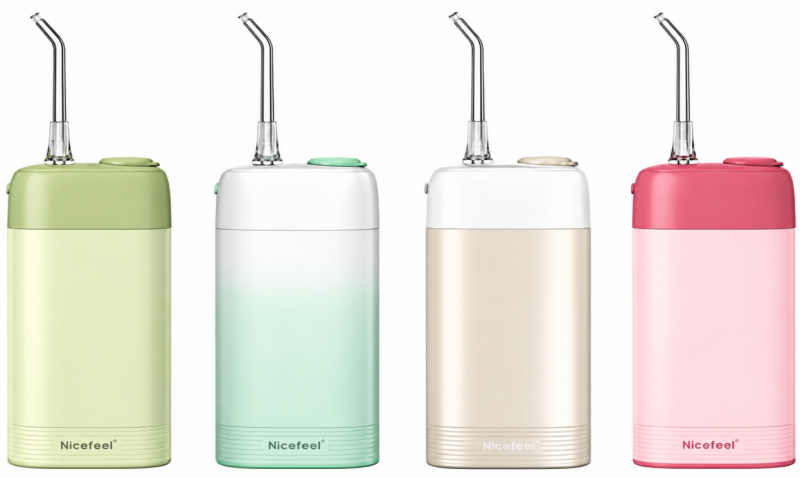
1. FC5130 – Compact Travel Water Flosser
The FC5130 features a compact pull-out design, integrated nozzle storage, and a 170mL water tank. Low, High, Pulse modes offer different cleaning options, while adjustable 21–122 PSI water pressure accommodates different user preferences.
Its compact structure makes it a suitable ODM starting point for brands targeting travel accessories, portable oral care, and space-saving personal care products.
2. FC5220 – Smart Portable Water Flosser
The FC5220 is designed for brands seeking a portable water flosser with a more feature-rich operating experience. The FC5220 features a digital display, five cleaning modes (including a DIY pressure adjustment option), and a 300mL water tank.
The streamlined body, curved grip, and customizable appearance make this model a strong ODM option for brands that prioritize intuitive operation, personalized settings, and differentiated aesthetics.
What Should You Confirm Before Starting an OEM or ODM Project?
Clear project requirements and effective communication can help reduce production delays and support a smoother manufacturing process. Verify these technical parameters before initiating production.
1. Product Specifications & Water Pressure Profiles
Define core operational parameters clearly. Confirm required water pressure ranges, pulse frequencies, battery capacities, charging interface types (such as USB-C), reservoir volumes, and included tip accessories. Ensure that the water pressure settings are appropriate for the intended users and comply with relevant safety requirements.
2. Customization Scope & Tooling Requirements
Confirm which changes can use existing tooling and which require structural redesign, new molds, or electronic engineering. Even relatively small appearance changes may affect component compatibility or manufacturing costs.
3. MOQ, Costs, and Lead Times
Request written confirmation of minimum order quantities, sampling expenses, tooling costs, production schedules, and payment arrangements. Clarify whether quoted lead times begin after design approval, deposit payment, or final sample confirmation.
4. Compliance Certifications & Quality Testing
Confirm the regulatory requirements of your target markets and request product-specific documentation. This may include IPX7 waterproof testing, applicable electrical safety and EMC reports, CE conformity documentation, RoHS compliance, and relevant battery transport test reports.
Conclusion
OEM offers greater design flexibility, while ODM provides an accessible development route through existing product platforms. The right choice depends on your brand’s positioning, budget, customization needs, and launch strategy.
Explore Flycat’s water flosser range or contact Flycat to discuss your OEM/ODM requirements and find a suitable manufacturing solution.